


 Not all images were able to load for printing. Please close the print window and try again.
 The Autoforma Norrsken P1800 ES Revives Sweden’s Coolest Shooting Brake
Dutch automotive designer and coachbuilder Niels van Roij turns a 1970s icon into a sharply dressed restomod.
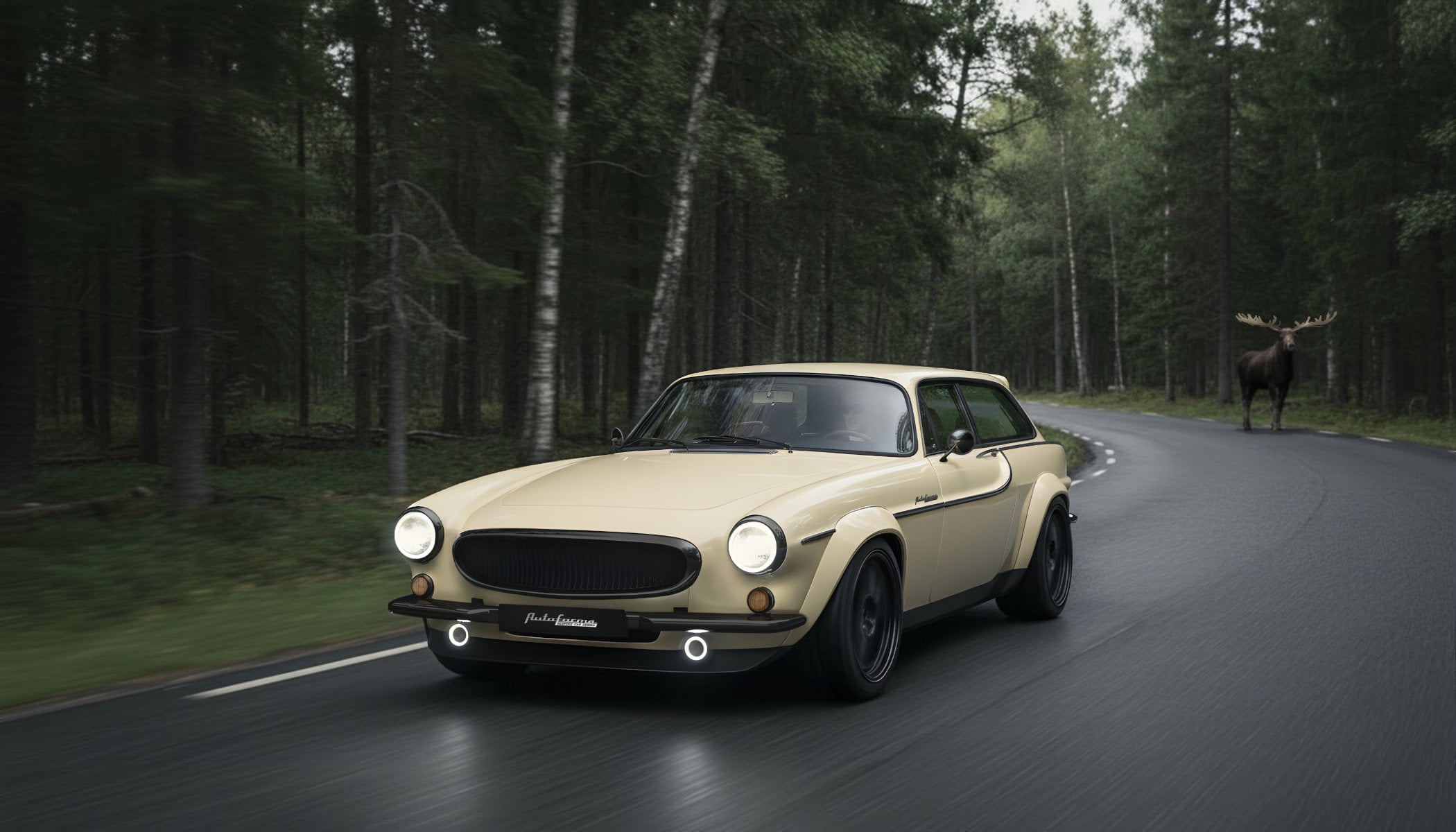
If you think about Volvo estate cars, you probably will think about those large, boxy ones from the 1980s and 1990s. While very practical, they weren’t necessarily the most sexy cars, apart from a few special ones like the 850 T5R. But there was a time when Volvo made an estate car that was gracious, elegant and simply put, very cool! The car in question is the P1800 ES, an estate variant of the curvy P1800 sports cars as seen in The Saint. Now, more than 50 years after the P1800 ES first hit the road, it’s back, and cooler than ever! This is the Norrsken P1800 ES restomod, by the hands of Autoforma, Niels de Roij and Volvo Lotte, all from the Netherlands.
Svelt Swede Estate
There’s something imminently cool about a Shooting Brake, a concept that combines the flair of a coupe with the practicality of an estate, or station wagon (or Touring, Avant, Break and so on, depending on which badge is on the nose of the car). Although a Shooting Brake is not actually an estate car, it’s basically defined as a cross between a coupe and an estate, and does come with added room in the back because of the elongated roofline. There are some pretty cool and special ones out there, such as Piero Drogo’s one-off Ferrari 250 GT SWB Breadvan, the Aston Martin DB5 Shooting Brake and the BMW Z3 Coupé. Nowadays, the term is also used for five-door estates such as the Mercedes-Benz CLS and Volkswagen Arteon, despite not being along the lines of the traditional definition.
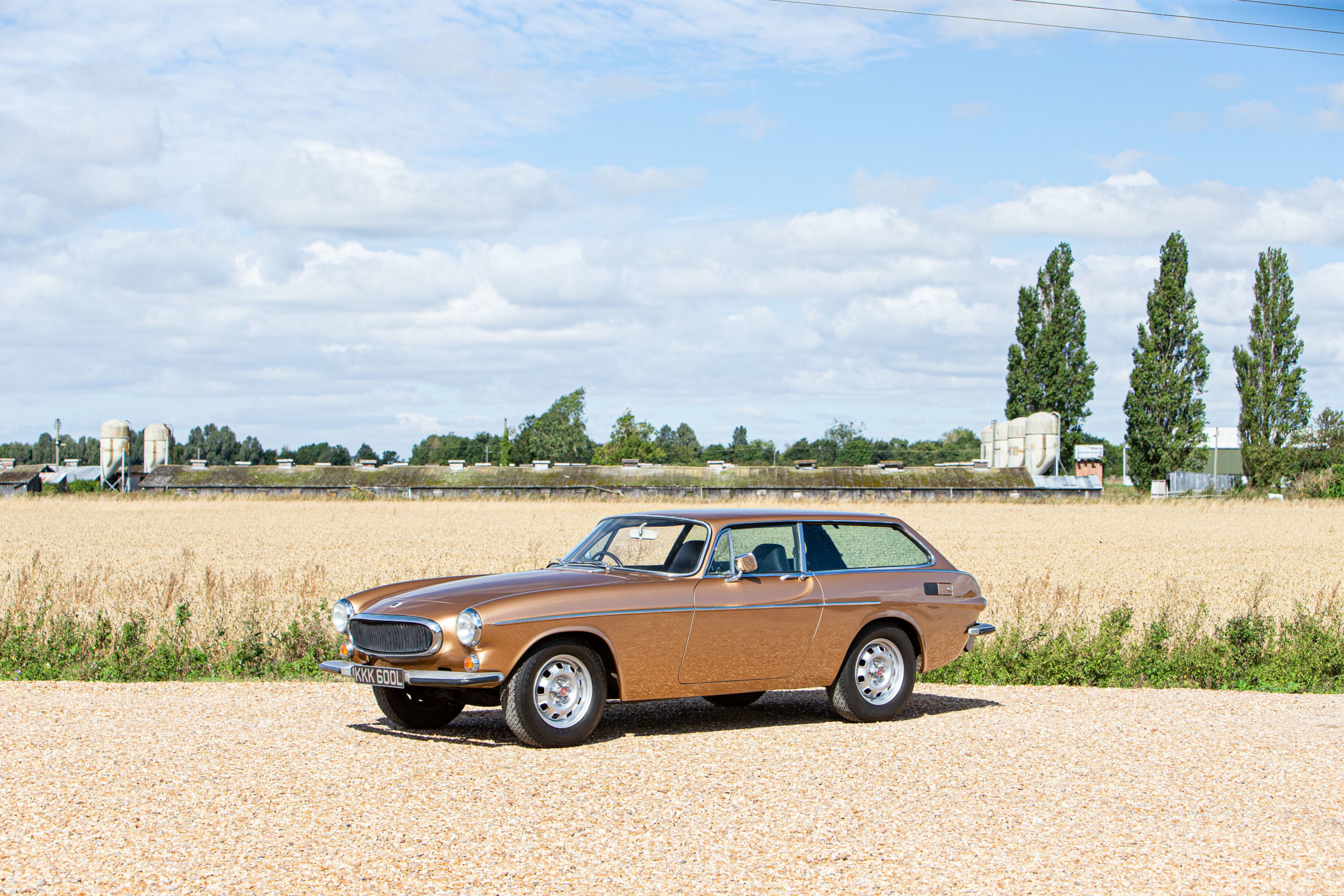
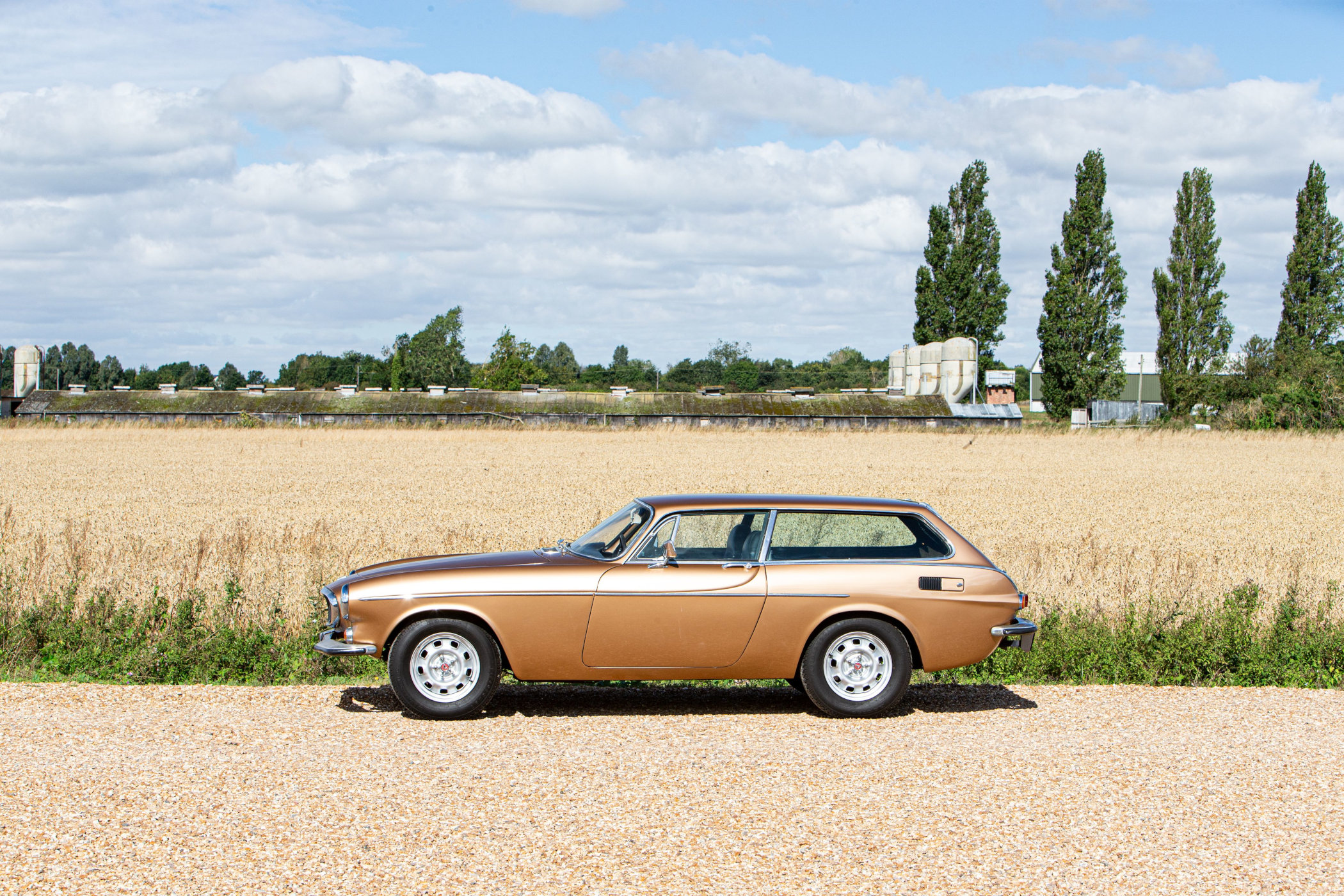
Following the success of the P1800 sports coupe introduced in 1961, Volvo came out with the P1800 ES (for Estate) in 1972. From the front until the B-pillar, it followed pretty much the same design as the coupe variant of the P1800, but from the B-pillar to the back was a whole different story! Two prototypes were made, one by Sergio Coggiola and one by Pietro Frua, but neither of the two designs made it into production as they were deemed too futuristic. Instead, Volvo went with the Beach Car concept by their own designer, Jan Wilsgaard. The roofline was extended to the back, and an all-glass tailgate was installed. The rear seats could fold flat, creating one big boot space.
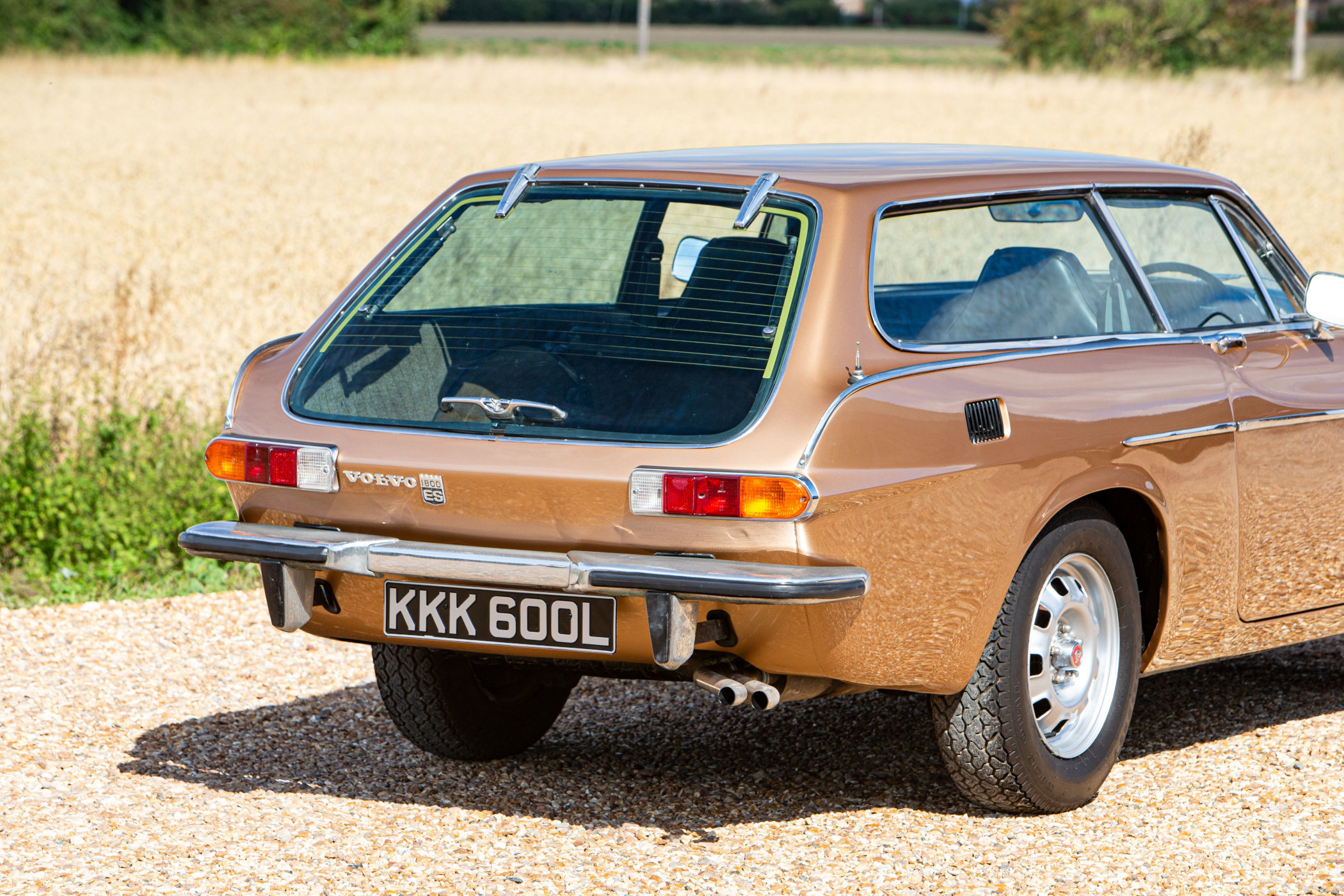
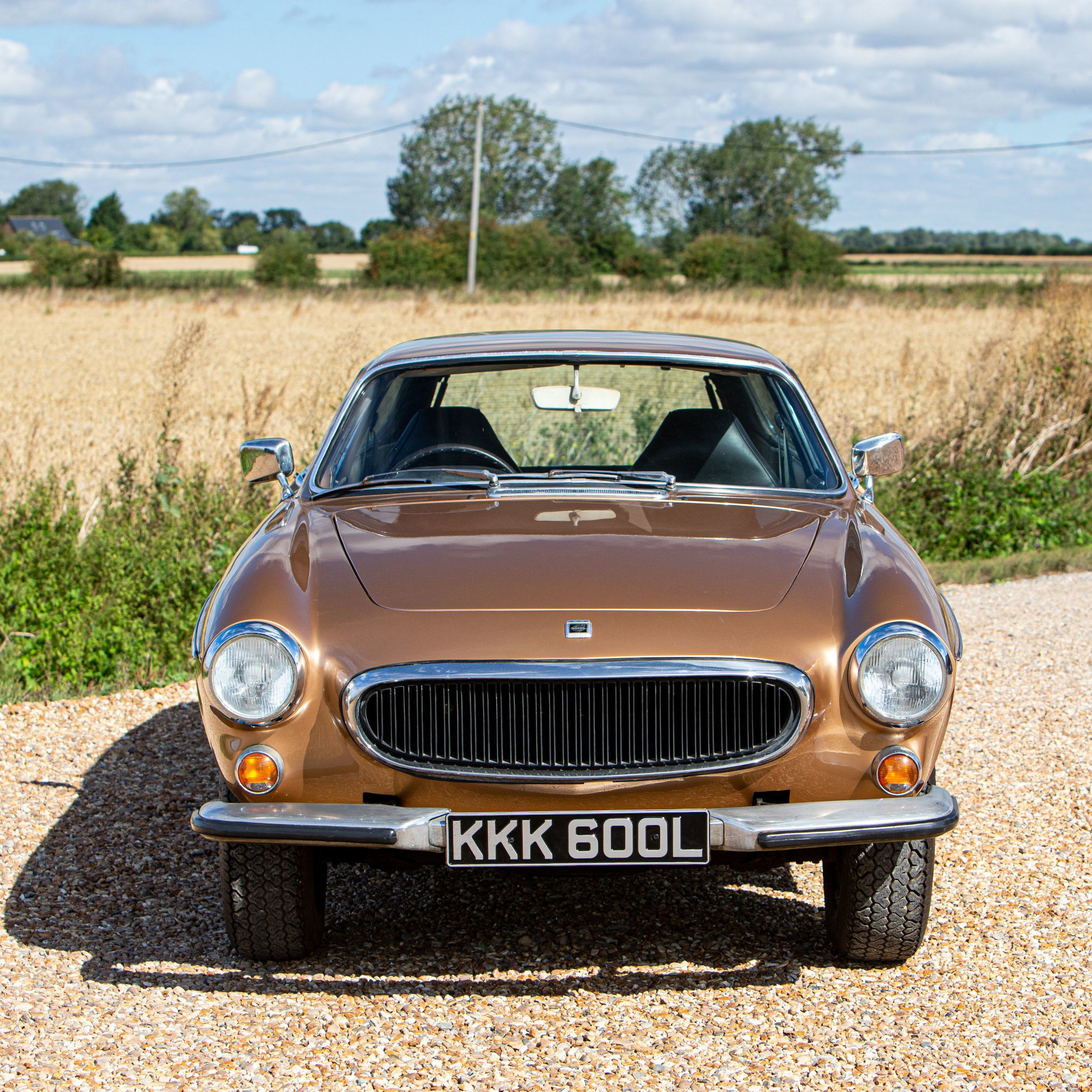
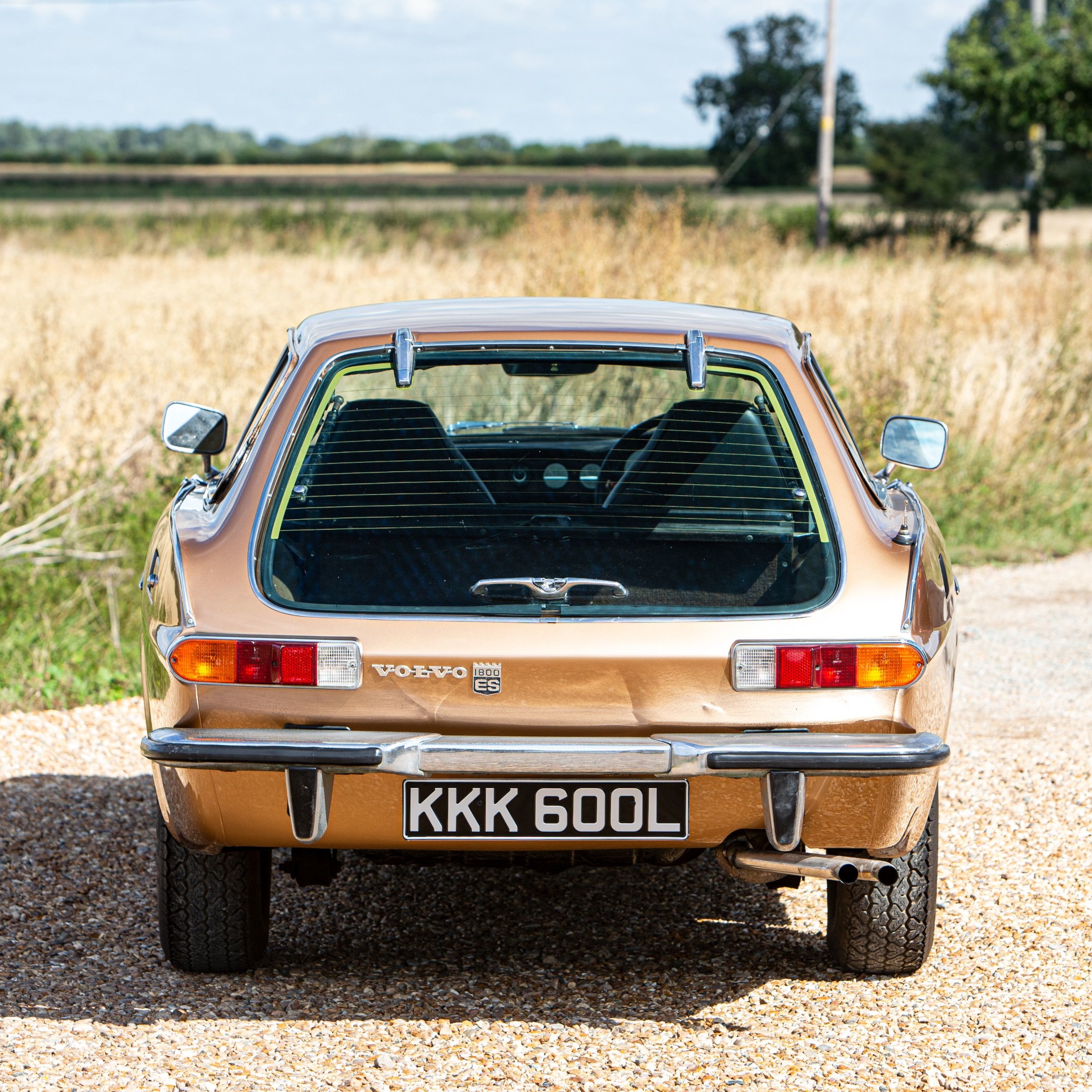
Under the skin, things were largely left untouched, although Volvo did swap out the four-speed with an overdrive transmission of the P1800 coupe for a three-speed automatic by Borg-Warner. Up front, the B20 2.0-litre inline four-cylinder engine produced 125bhp, which gave the P1800 ES a top speed of close to 190kph and a zero-to-100kph time of around 10 seconds. So it wasn’t a barnstorming performance wagon, but honestly, the looks more than made up for it! The P1800 ES is quite rare compared to the coupe, as it was in production for only two years and just over 8,000 cars left the factory, against almost 47,500 two-door coupes. One of the signature styling elements, the glass tailgate, also found its way into the later Volvo 480 and C30.
Niels van Roij’s Autoforma
The driving force behind Dutch coachbuilding company Autoforma is Niels van Roij, an automotive designer with quite an impressive resumé. Together with his team, he’s responsible for several rather interesting builds, including a shooting brake of a Tesla Model S, a cool restomod of the Fiat Panda 4×4 and even a modern-day Breadvan homage based on the Ferrari 550 Maranello. Niels van Roij combines a keen eye for design with the art of coachbuilding, refining and modernising cars to make them truly unique.
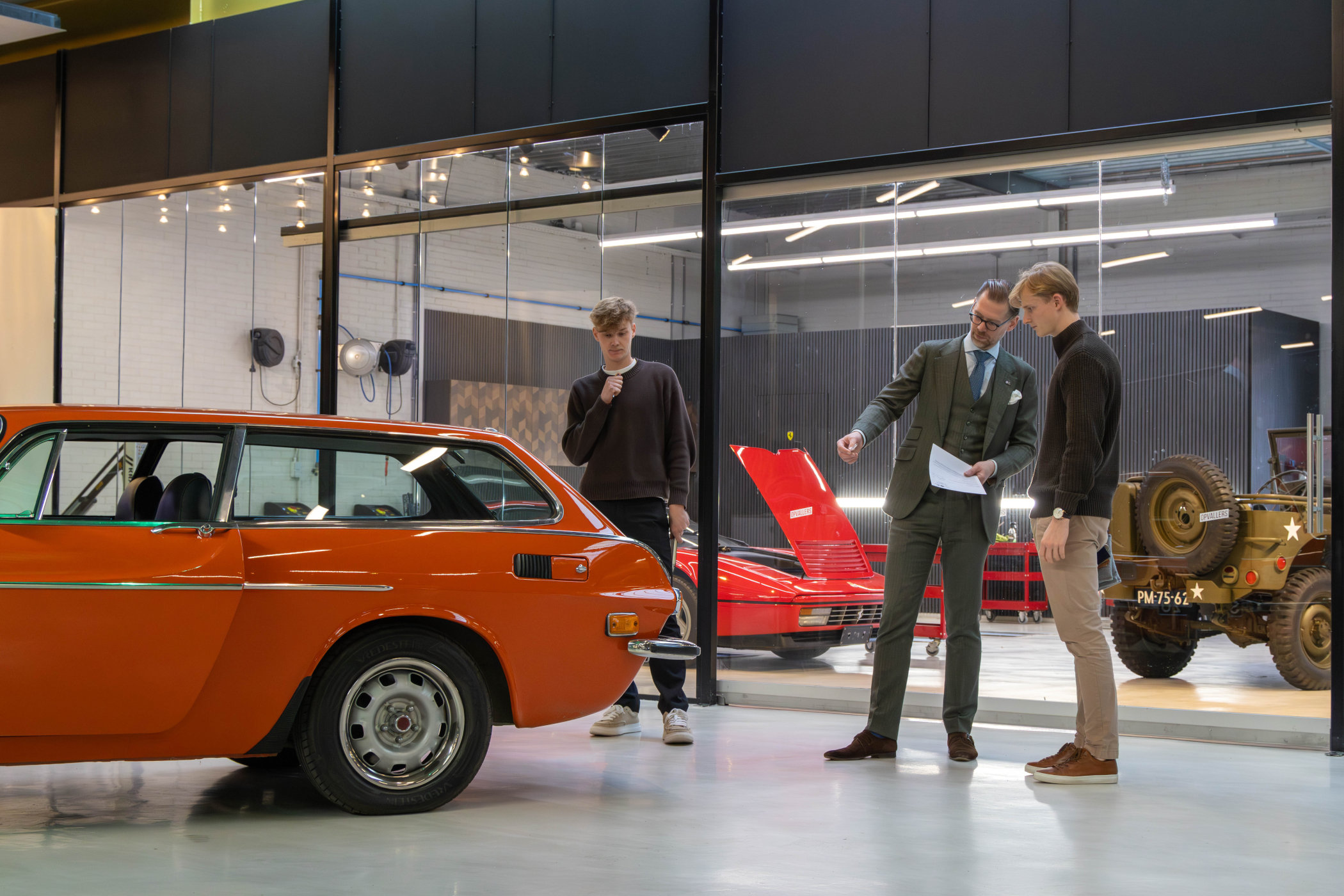
The work involves the client’s desires from start to finish, and every car built is first torn down to the essentials before being rebuilt. It starts with sketches, CAD designs and clay modelling and moves to hand-beaten panels, bespoke interiors and so on. And judging by Autoforma’s portfolio, you can pretty much talk to them about anything, from classic Rolls-Royces, boxy Fiat Pandas to modern-day EVs and supercars.
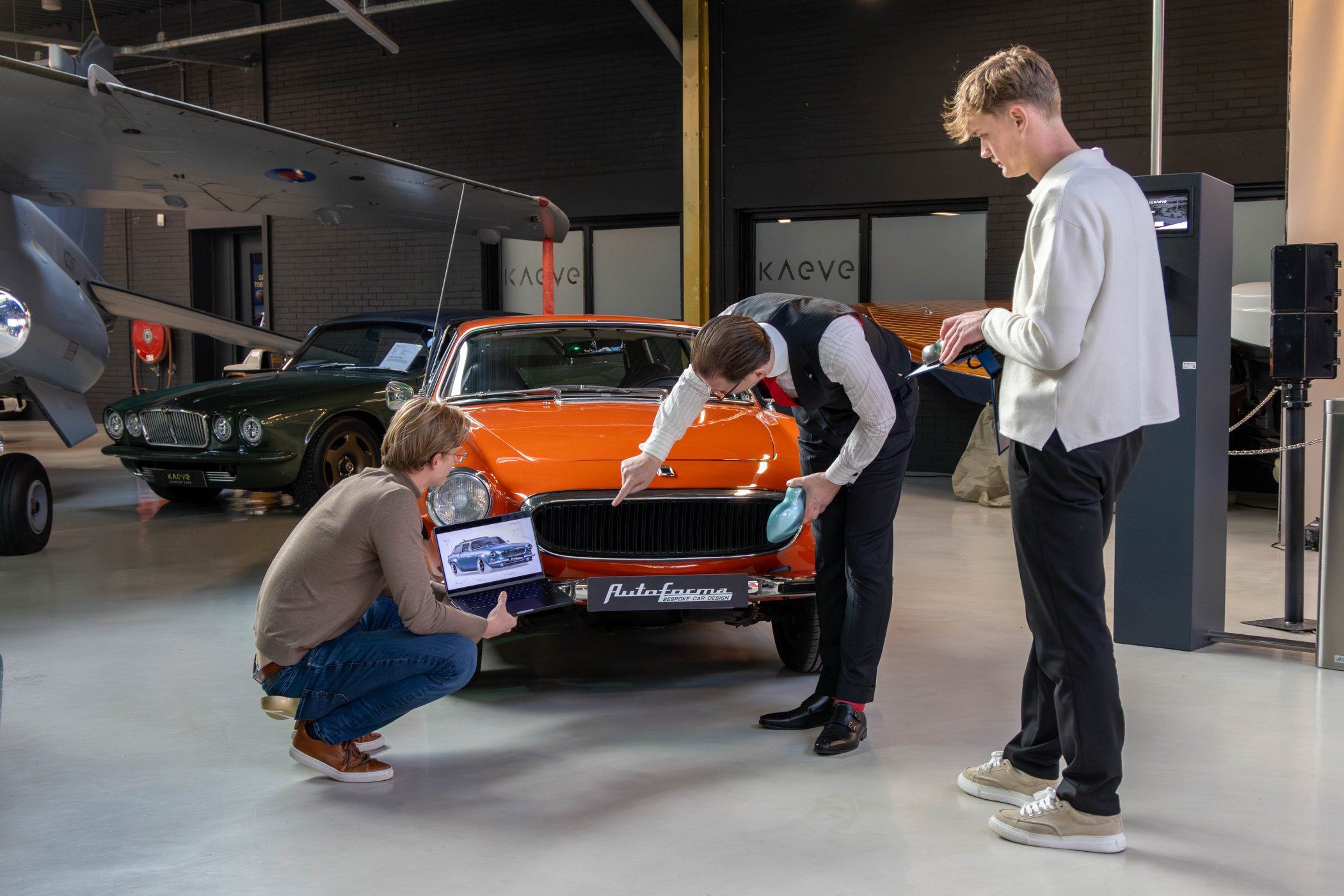
The Norrsken P1800 ES
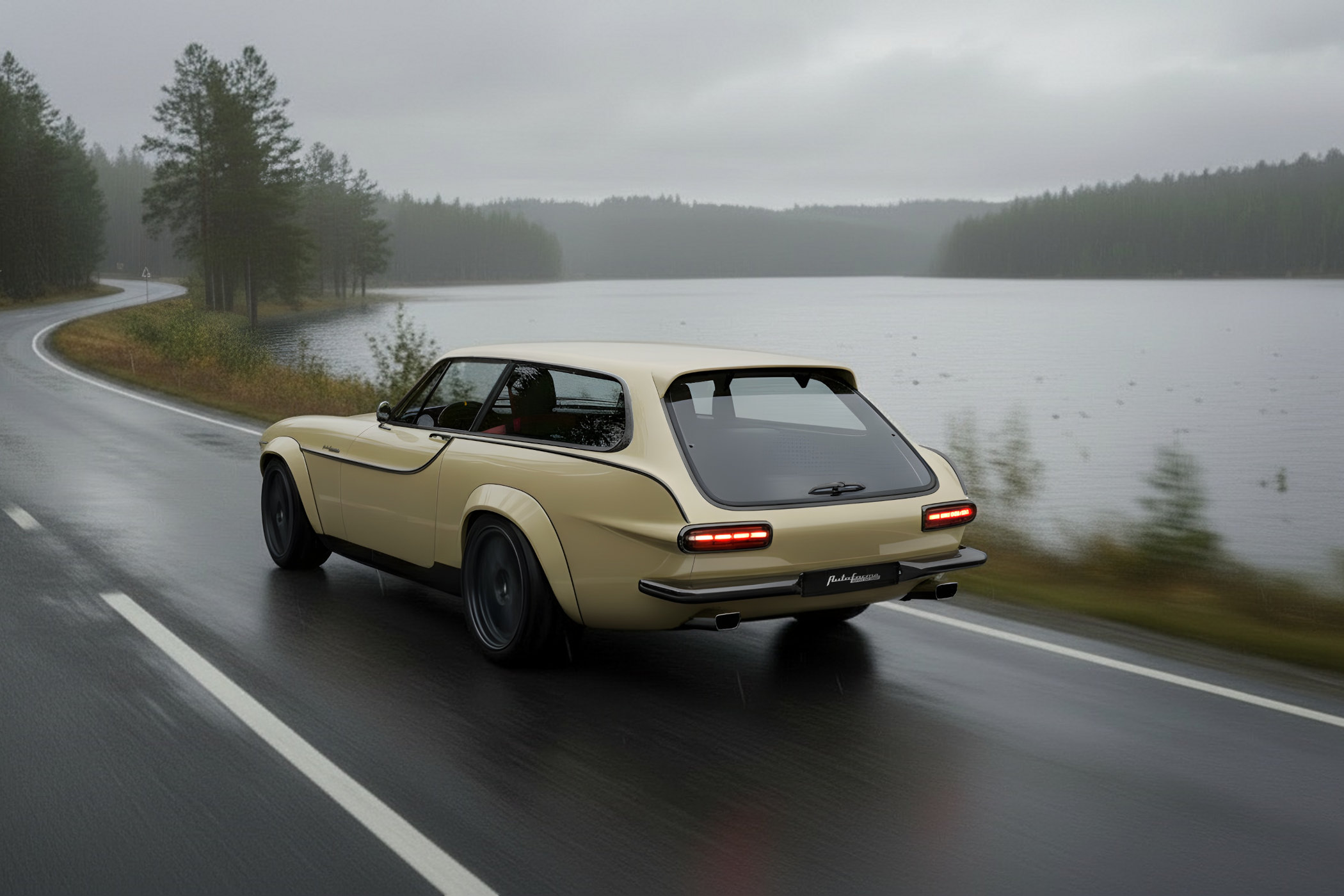
The Norrsken P1800 ES restomod is Autoforma’s latest project, and was made in collaboration with Volvo Lotte, a Dutch classic Volvo specialist. Named after the Aurora Borealis or Northern Lights, the Norrsken P1800 ES delivers that impeccable flair of the original, modernised where it matters, and made to your exact desires. The Norrsken program can be broken down into three directions, offering a wide variety of trim levels and bespoke options. As a result, and that’s the beauty of this business, you can specify the car to your exact liking, and no two will ever be the same.
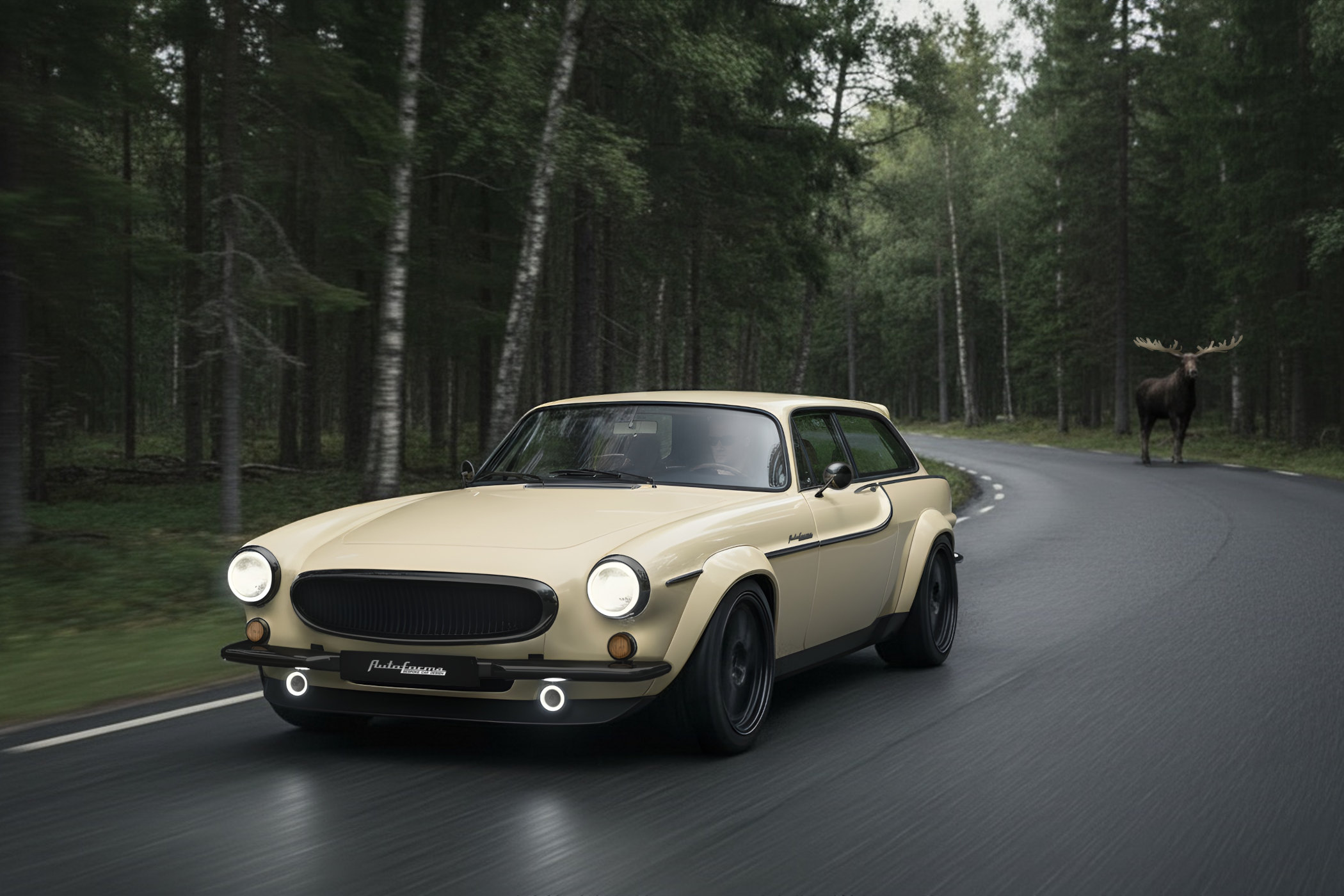
Heritage Heaven is a clear interpretation of the classic P1800 ES that honours the original design with period-correct colours, materials and features. This line is more about subtlety and discretion than anything else. The next step is Modern Marvel, which presents a cleaner, minimalist vision of a modernised P1800 ES. Upgrades include modern lighting, upgraded drivetrain and suspension and a wider selection of materials and colours that go beyond the Heritage Heaven’s palette. Lastly, there’s Forward Fashionista, which gives you virtually complete freedom in terms of specs and trim. Mechanically, this also goes the furthest, as it’s fitted with Volvo’s T5 five-cylinder engine, a revised transmission, performance brakes, and, if desired, carbon fibre body panels.
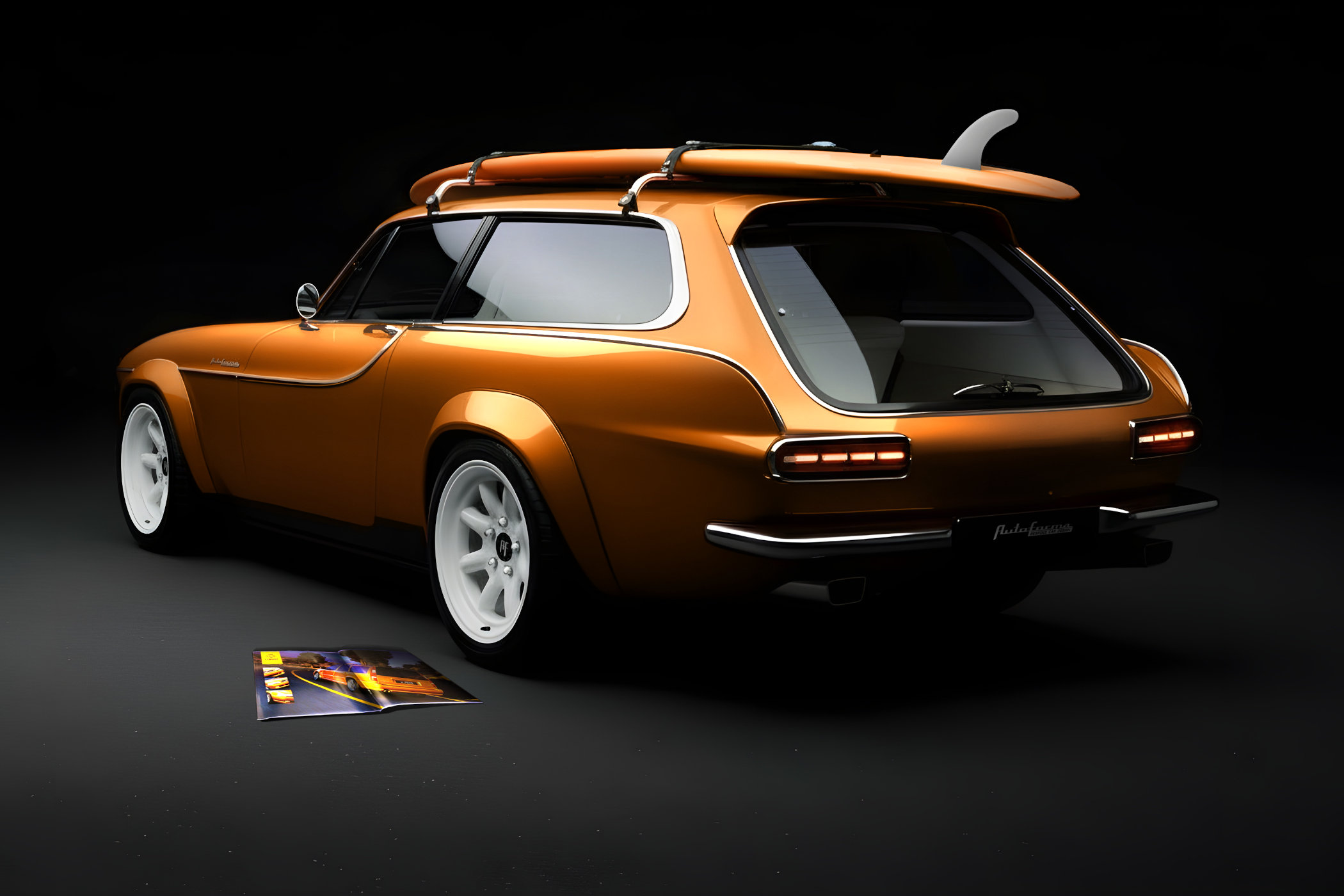
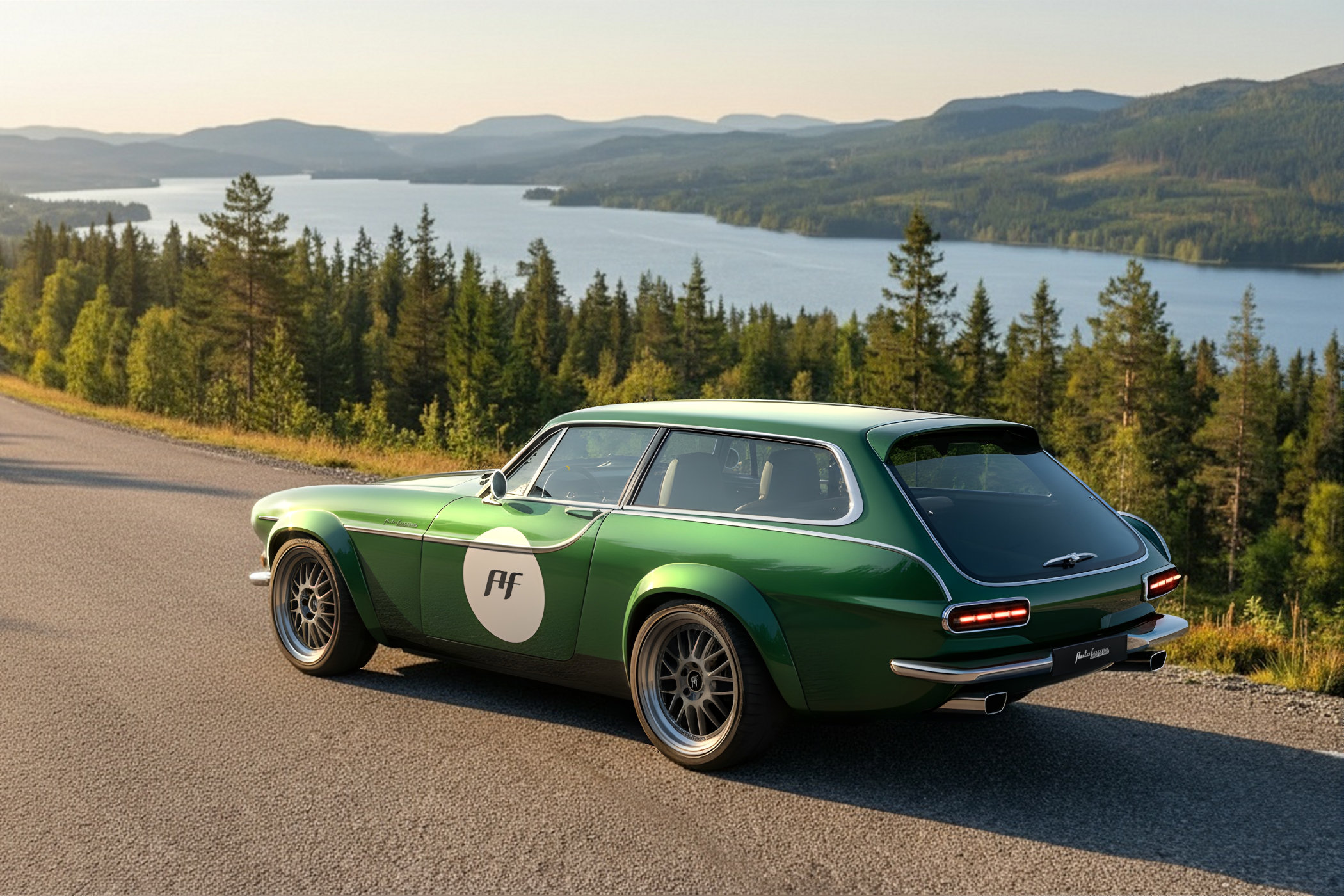
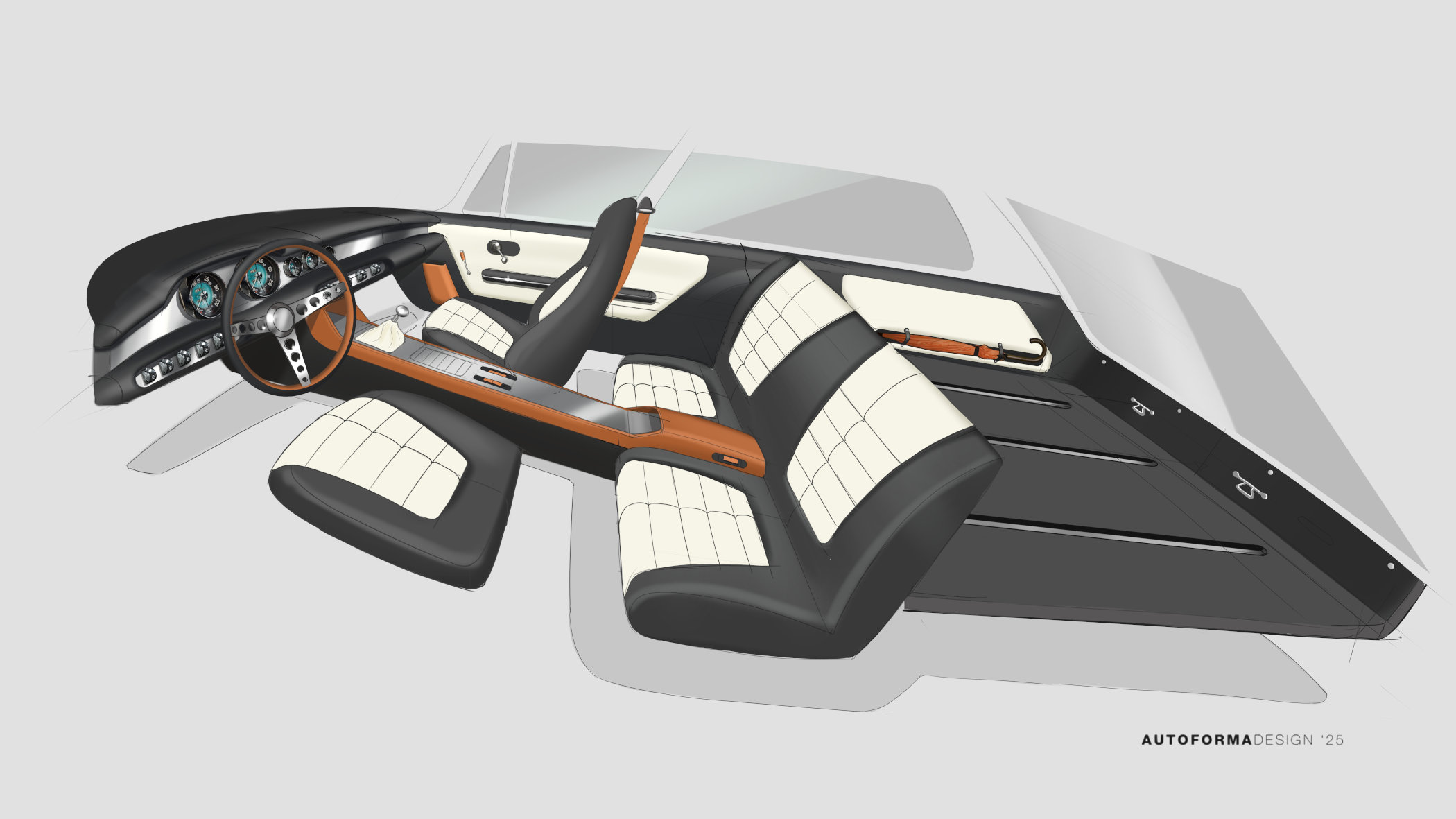
The interior also gets a complete makeover, and depending on how far you want to take things, can include modern amenities. Things like climate control, audio and infotainment systems are built in very discreetly, so as not to break the classical vibe of the interior too much. Trimmed in wood veneer, machined aluminium, leather and Alcantara, it certainly looks to be a comfortable place. And, just like the original, the rear seats fold flat to extend the boot space. The seats themselves are reshaped slightly and offer better ergonomics, which should help on long drives through the countryside and so on.
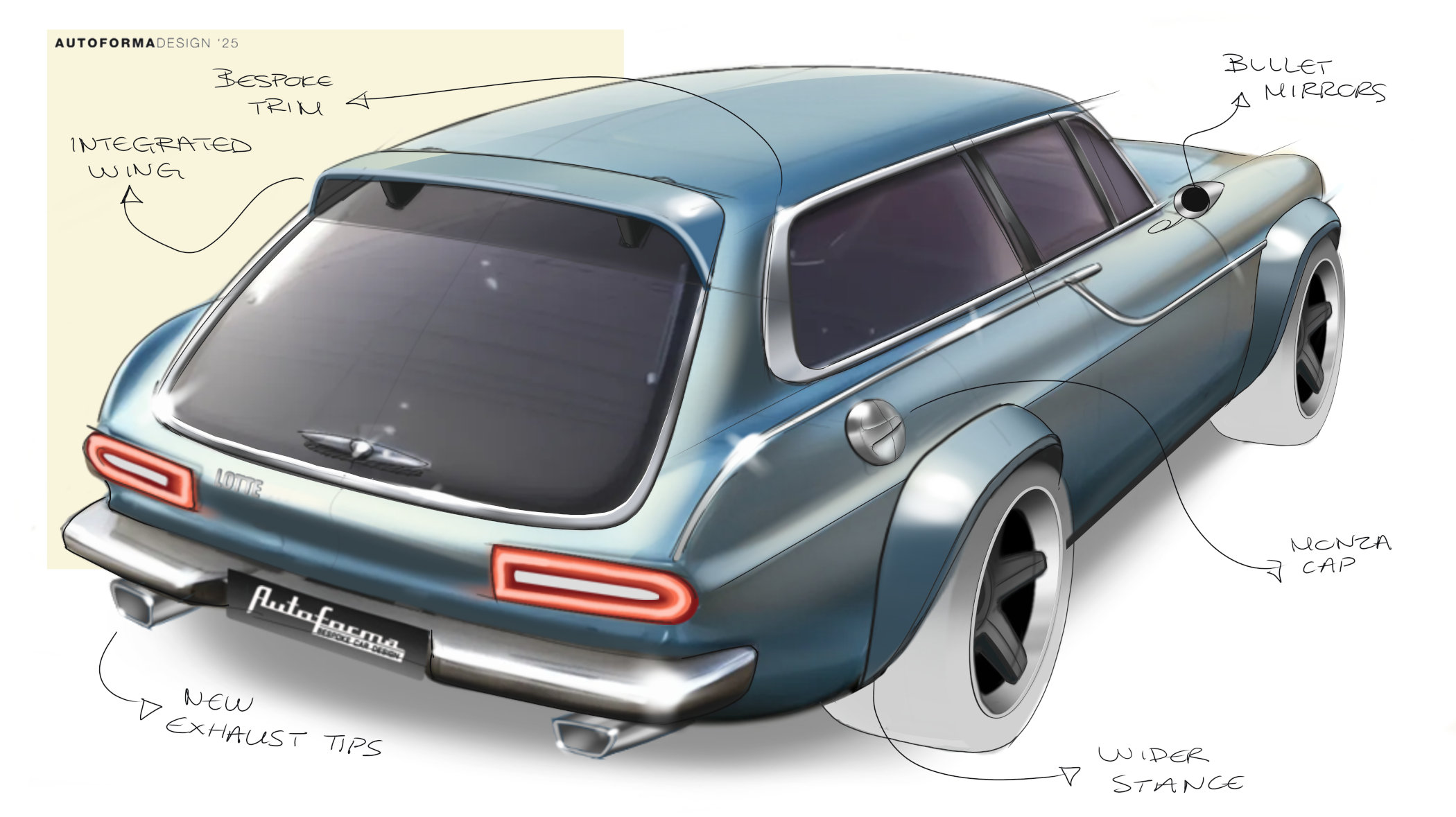
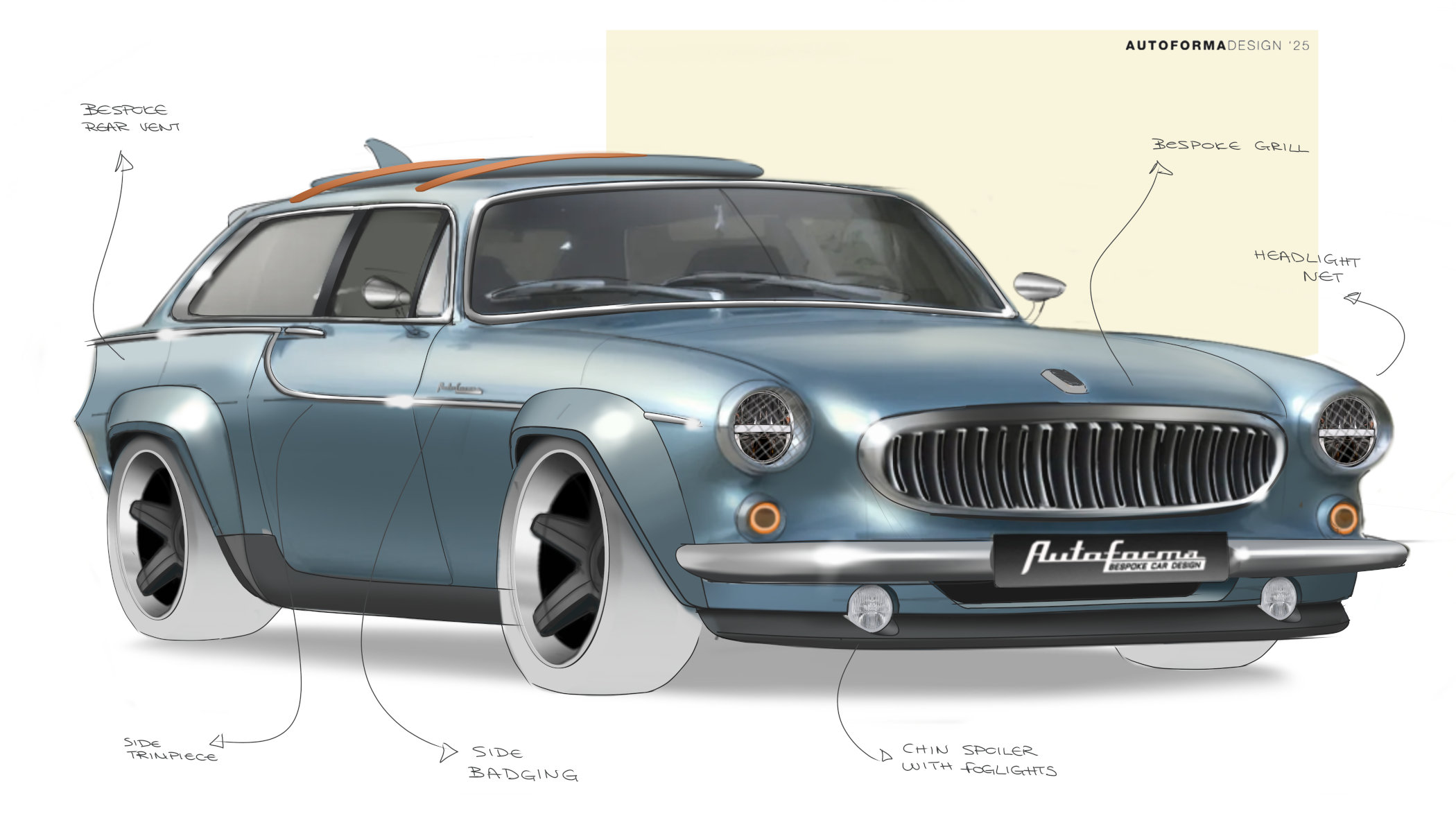
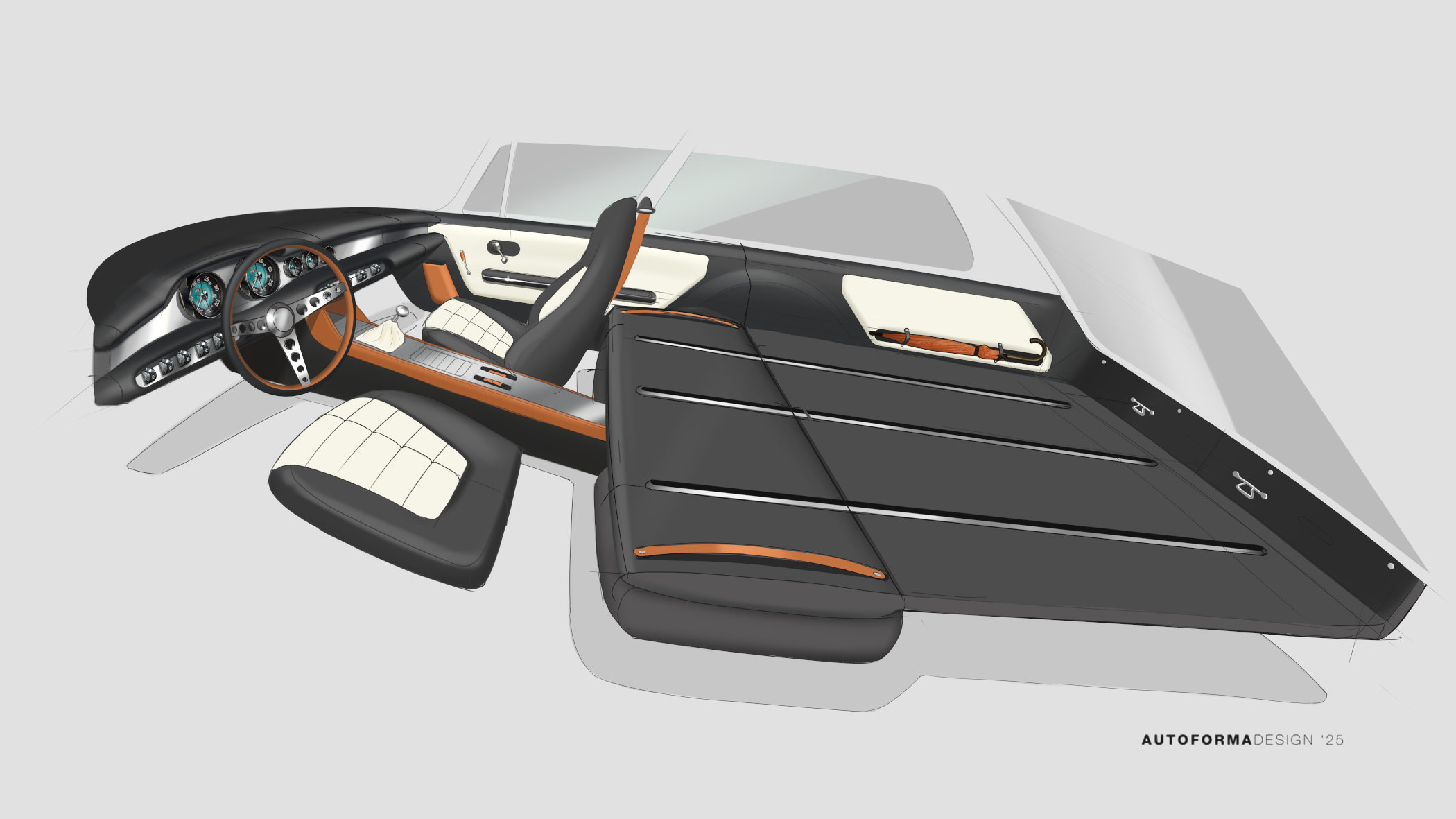
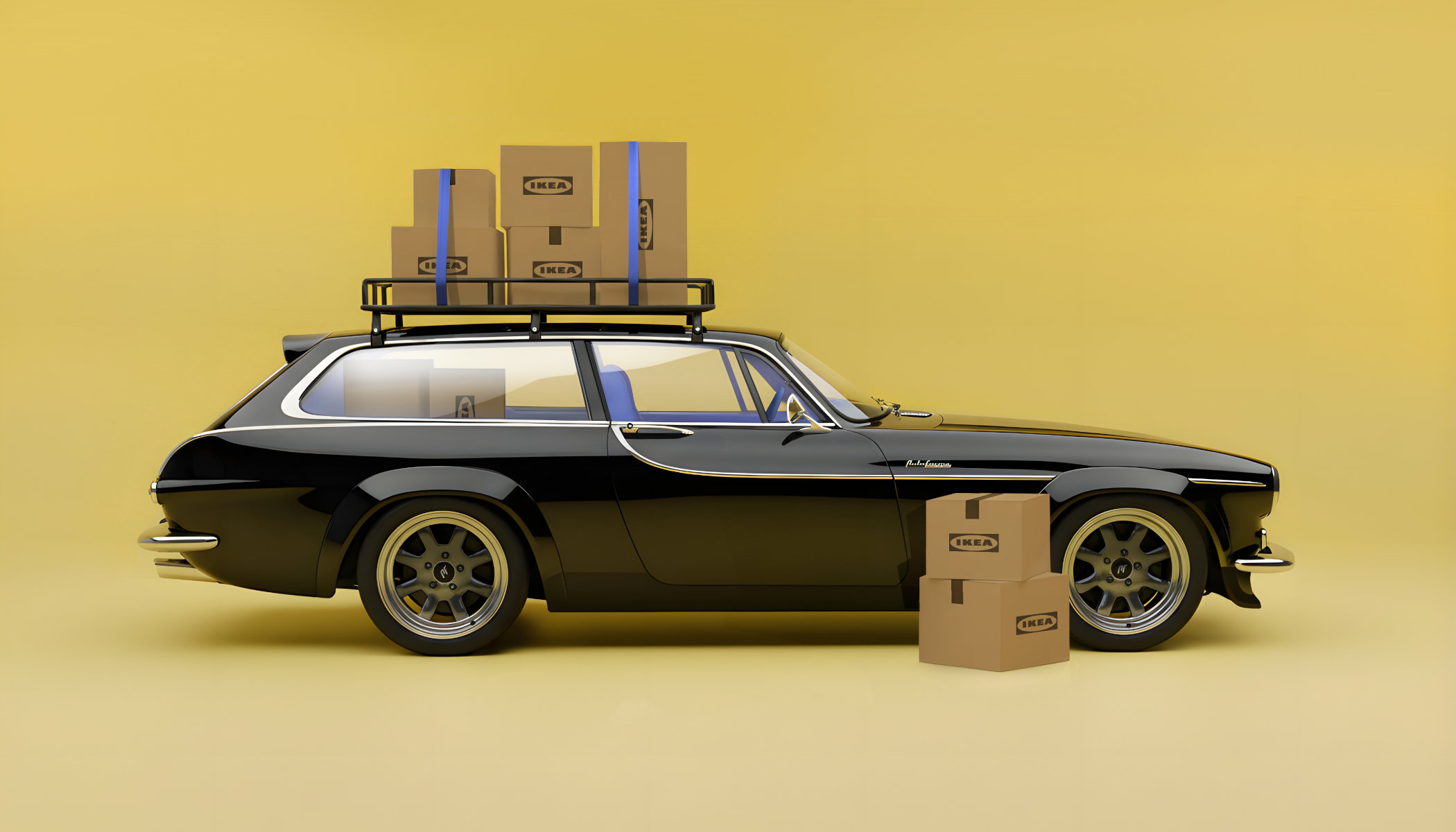
Visually, you can take the Norrsken in any direction, but it will always be a P1800 ES at heart. You can opt for forged wheels, wider wheel arches, modern and additional LED lights, a special exhaust system, and even put on a roof rack, but it will remain faithful to the spirit of the original. Even parked outside of Ikea and loaded with boxes (sure, they had to do it!), it looks as stylish as ever. However, you can also go for a bolder look with a bright pink interior and matching wheels, as you can see.
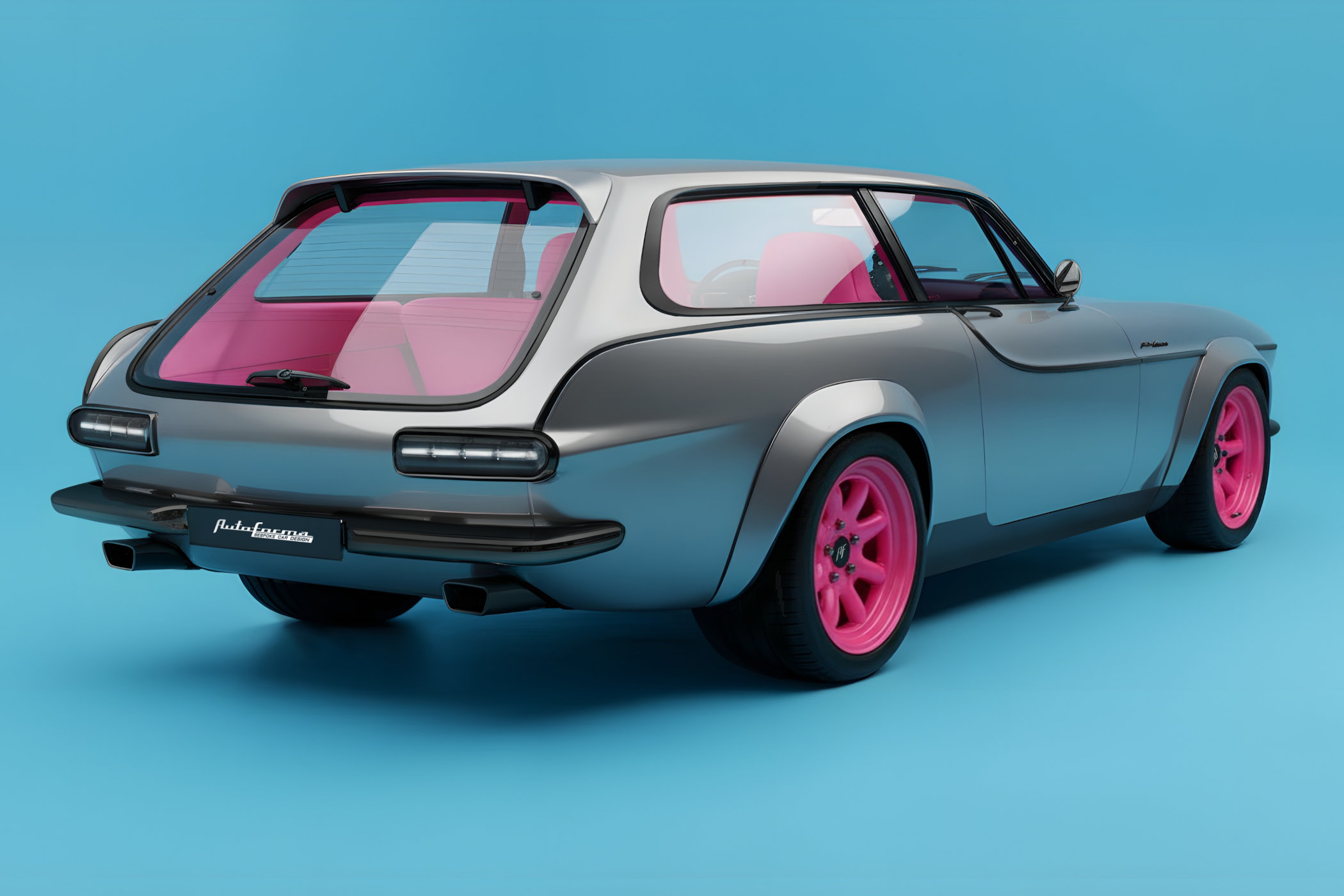
Whichever way you take it, I love that Autoforma turned into more of a GT car rather than a barnstorming performance machine. There’s no word on pricing, but with such projects and the amount of work involved, and also depending on how far you dare to take it, it will cost a pretty penny. And although it only exists as a render for now, Autoforma says it will build up to five per year only, and I have zero doubt this will find several deep-pocketed enthusiasts to make it a reality!
For more information, please visit Autoforma.com.
Editorial Note: The information used and images portrayed in this article are sourced from and used with permission of Autoforma and Bonhams Cars unless stated otherwise.

5 responses
These are super cool, but I don’t like Autoforma’s AI generated moose. AI is taking jobs away from working class moose everywhere.
It’s shooting BRAKE
You are absolutely right, and it’s now corrected! Stupid mistake…..
See ISO-3833-1977.
“This publication was last reviewed and confirmed in 2025. Therefore this version remains current.”
How much? These ar magnificent!