
 Not all images were able to load for printing. Please close the print window and try again.
 Ayrton Senna’s Debut Toleman TG183B Is Coming Up For Sale
A unique chance in racing history to acquire an F1 legend's debut car.
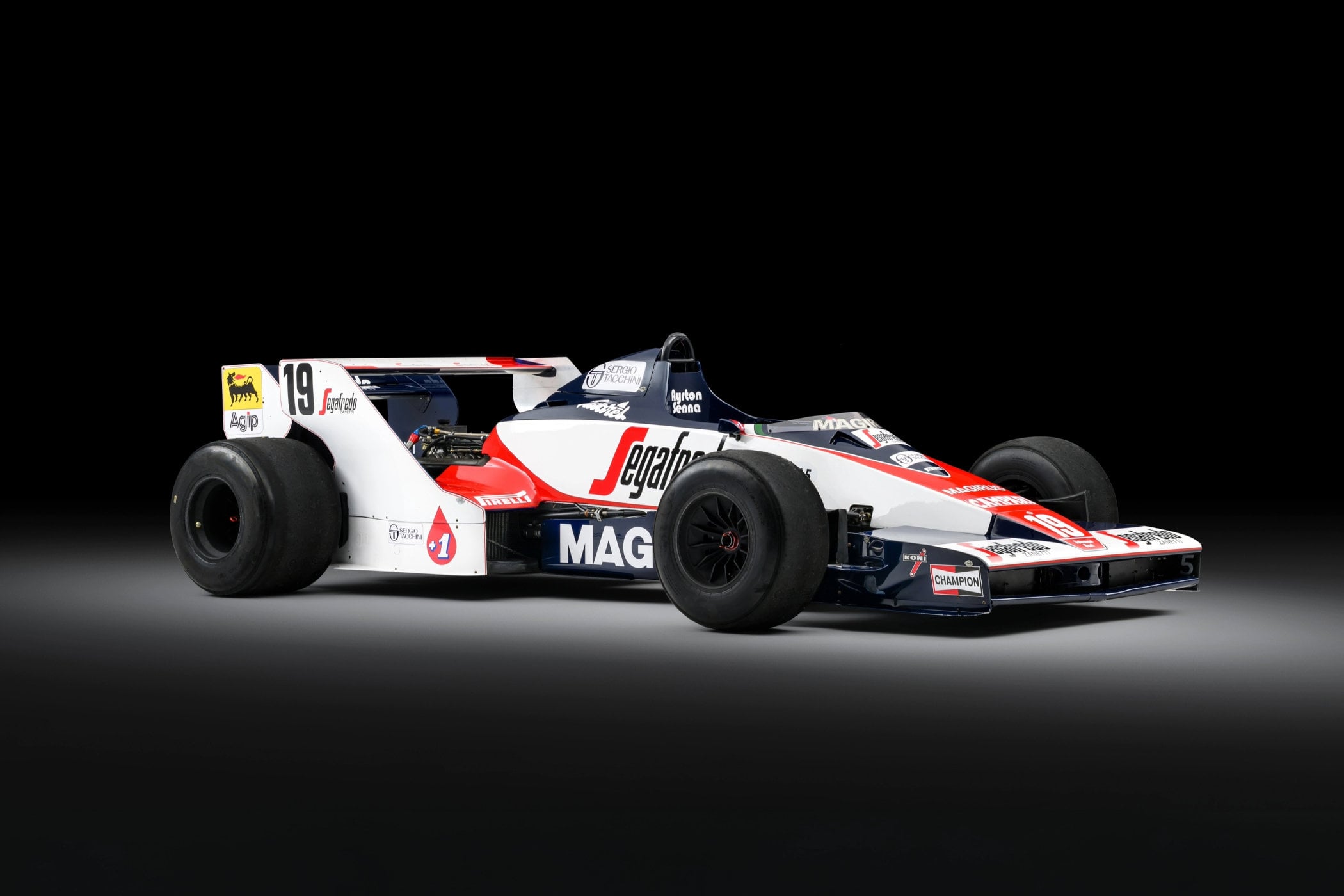
Ayrton Senna da Silva. No one needs an introduction to that name, as he’s considered sporting greatness personified. Making an indelible mark in Formula 1 through sheer, unbridled talent and a relentless approach to racing (“if you no longer go for a gap, you’re no longer a racing driver”), he’s considered the greatest to have ever graced the track and known far beyond the world of motorsports. Winning three championships with McLaren and a total of 41 Grand Prix victories across 11 years of racing in F1, he fatally crashed during the 1994 San Marino Grand Prix at Imola. So when an F1 car he’s driven, it will always be headline news. Especially if it’s the car he’s made his F1 debut in, the 1984 Toleman TG183B.
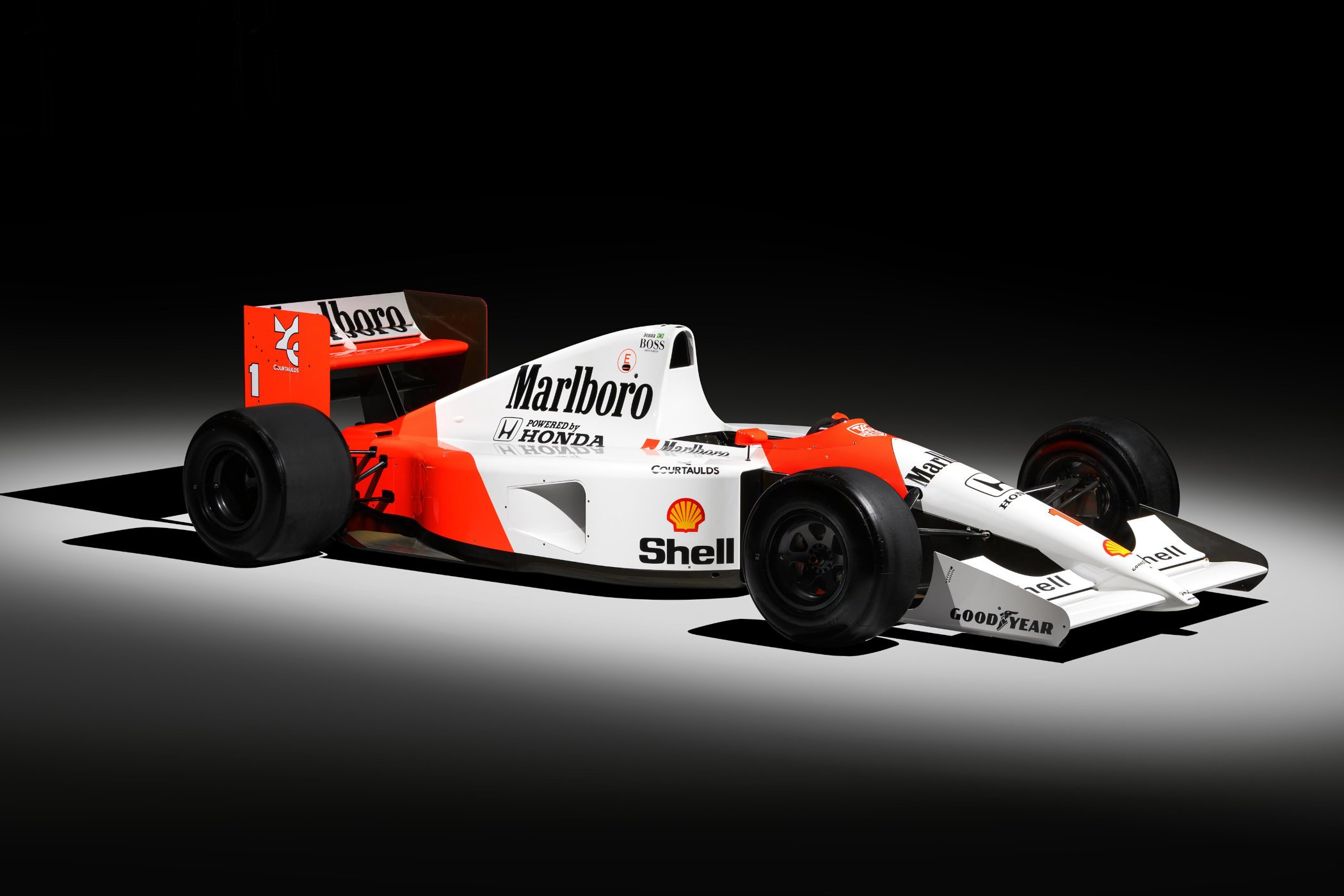
In about a months time, RM Sotheby’s Monaco auction weekend is scheduled to commence, and boy do they have a headliner on their hands! Just months after the Sealed-Forever Senna event, which included the sale of his 1991 Brazilian Grand Prix-winning McLaren Mp4/6, they return to the Brazilian’s legacy by auctioning the very first Formula 1 car he ever drove in a race. Senna’s entry into Formula 1 started with tests for McLaren, Brabham, Williams and Toleman, with whom he eventually signed a contract.
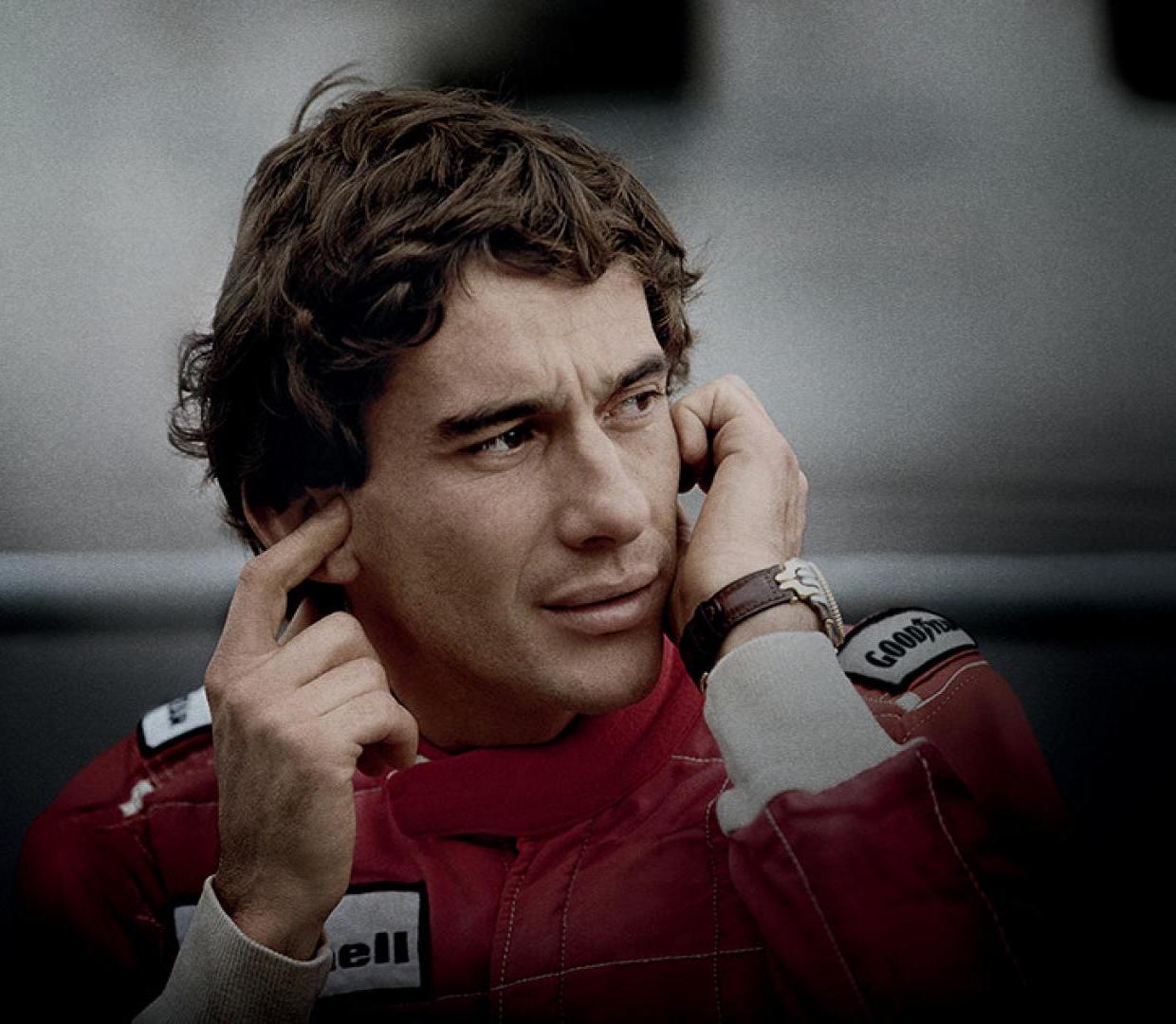
He started the 1984 season in the TG183B, which the team had already introduced in the 1982 season and would run the entirety of the 1983 campaign. He raced just four races in it before it was replaced with the TG184. At the end of the season, Senna switched to Lotus, dressed in the famous John Player Special black-and-gold, and success quickly followed. He won his second race with the team and would win once more in Belgium, finishing fourth in the 1985 championship. Two more wins in 1986 and another fourth-place finish at the end of the year followed, before Lotus switched engines from Renault to Honda. Back-to-back wins followed at Monaco and Detroit, and he had climbed to third in the title race by the end of it all.

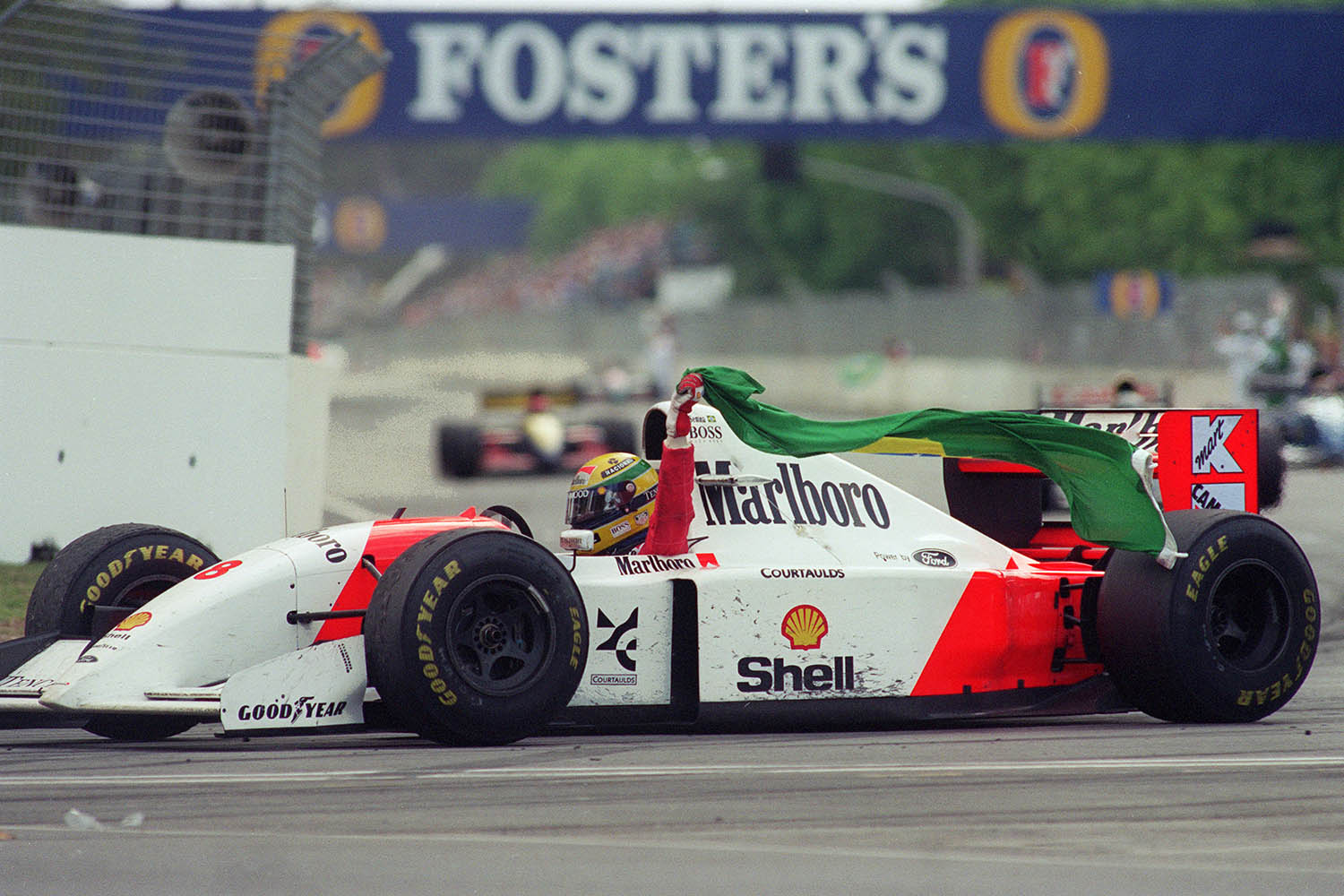
A switch to McLaren for the 1988 season became a golden move, as he won 8 races out of 16 that year, clinching his first of three Formula 1 World Drivers’ Championships. In the following years, McLaren’s dominance continued, although it was his teammate Alain Prost who bested Senna in the 1989 season. In 1990 and 1991, Senna would continue his winning form, claiming his second and third titles while still racing for McLaren. He would stay with the team for two more years and regularly win races, but miss out on the titles in both seasons. His final season was with Williams-Renault, but the partnership would only last three Grand Prixs.
During the 1994 running of the San Marino Grand Prix at the famous Autodromo Enzo e Dino Ferrari circuit (better known as Imola), Senna shot off the track in the high-speed Tamburello corner and crashed into the barrier. Despite being rushed off to the hospital, he was eventually pronounced dead at 14:17 in the afternoon, the time of the crash. His legacy, however, still lives on today, even in people who have never seen him race live. He was, and forever will be, one of the greatest and most beloved racing drivers in history.
Toleman Group Motorsport
The Toleman team was officially known as the Toleman Group Motorsport team. Based in the UK, the Toleman was only short-lived, running in Formula 1 between 1980 and 1985. The team was founded by the Toleman family of gentlemen racers, and was built (and financed) by the family’s transport business. Alex Hawkridge, who was recruited to expand the Toleman empire into mainland Europe, convinced the family to start sponsoring racing teams and eventually became a proper racing team. It raced in Formula 2 and Formula Atlantic for several years before a rare chance to enter Formula 1 presented itself.
The team made its F1 debut in 1981 under the name of Candy Toleman Motorsport, running the Toleman-Hart TG181 fitted with a turbocharged 1.5 litre inline-four engine developed by Hart. Its drivers were Brian Henton and Derek Warwick, but out of 24 starts between both cars, they managed to finish only once. The second season went only marginally better, having replaced Henton with Teo Fabi, and the team introduced the TG183 towards the end of the year. Things started to shift a bit in the 1983 season, despite a dreadful string of results in the first half of the campaign. With two fourth-place finishes in the Netherlands and South Africa, plus a couple of other points-scoring results, the team amassed 10 points in total and finished 9th in the constructors’ championship.
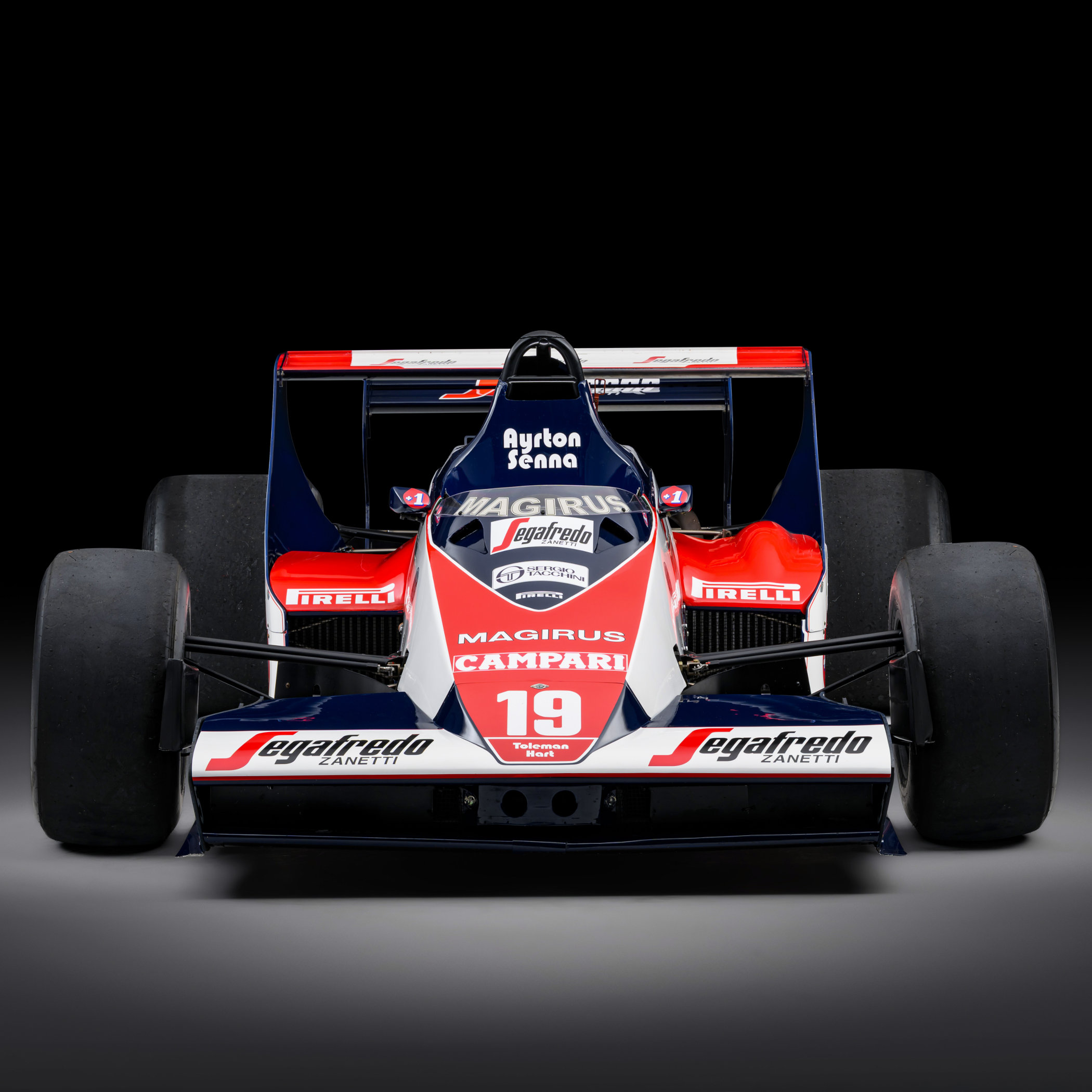
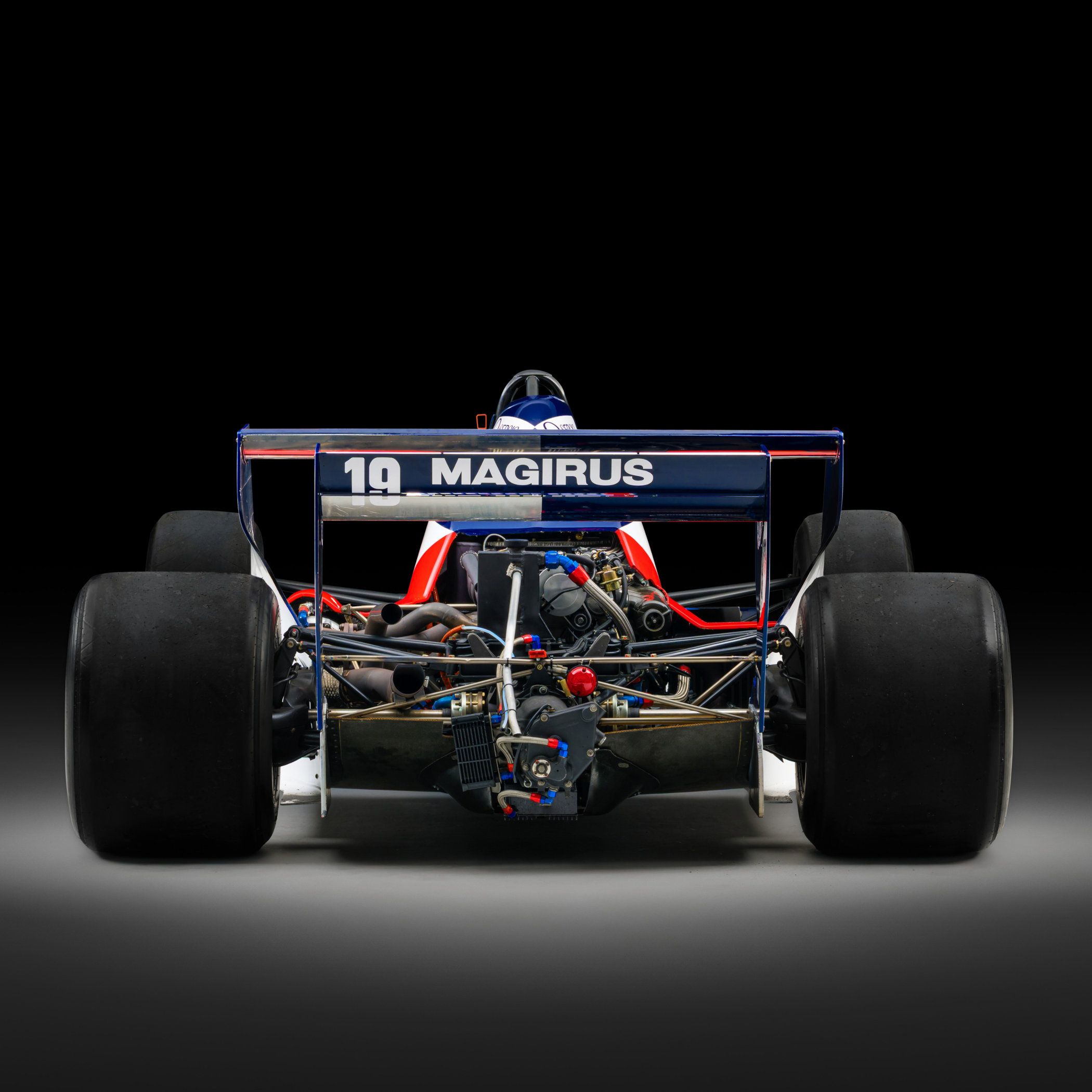
For 1984, Ayrton Senna da Silva and Johnny Cecotto signed with the team, and the Toleman crew would hit its F1 sporting peak. Senna managed to come in sixth in the second and third races of the year, still driving the ageing TG183, but would pilot the replacement TG184, still with that Hart engine, to a remarkable second place finish in Monaco, and third places in the British and Portuguese Grand Prixs, collecting 16 points in total. The team also enlisted Stefan Johansson and Pierluigi Martini as drivers, although neither of the two made a real impression.
The 1985 season would be the team’s last, and it would be a disastrous one. Out of a total of 20 starts, the team only finished twice, scoring no points. The team nearly went into bankruptcy and was sold to Benetton midway through the 1985 season, although they stuck with the Toleman name. The Toleman team served as the backbone for the Benetton team in 1986, which would gradually find racing success and become Formula 1 World Constructors’ Champions in 1995 at the hands of a certain Michael Schumacher.
Senna’s Debut Car
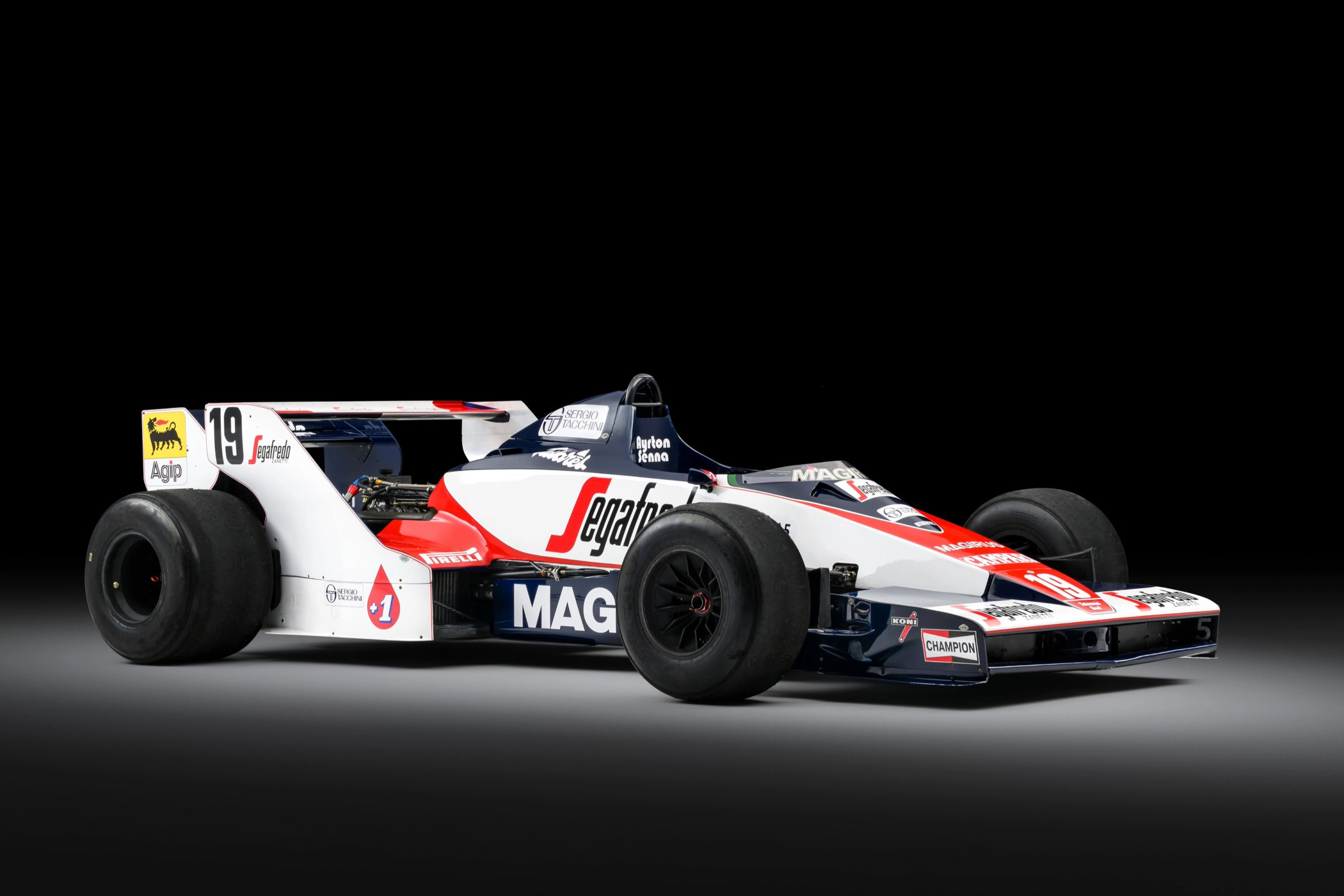
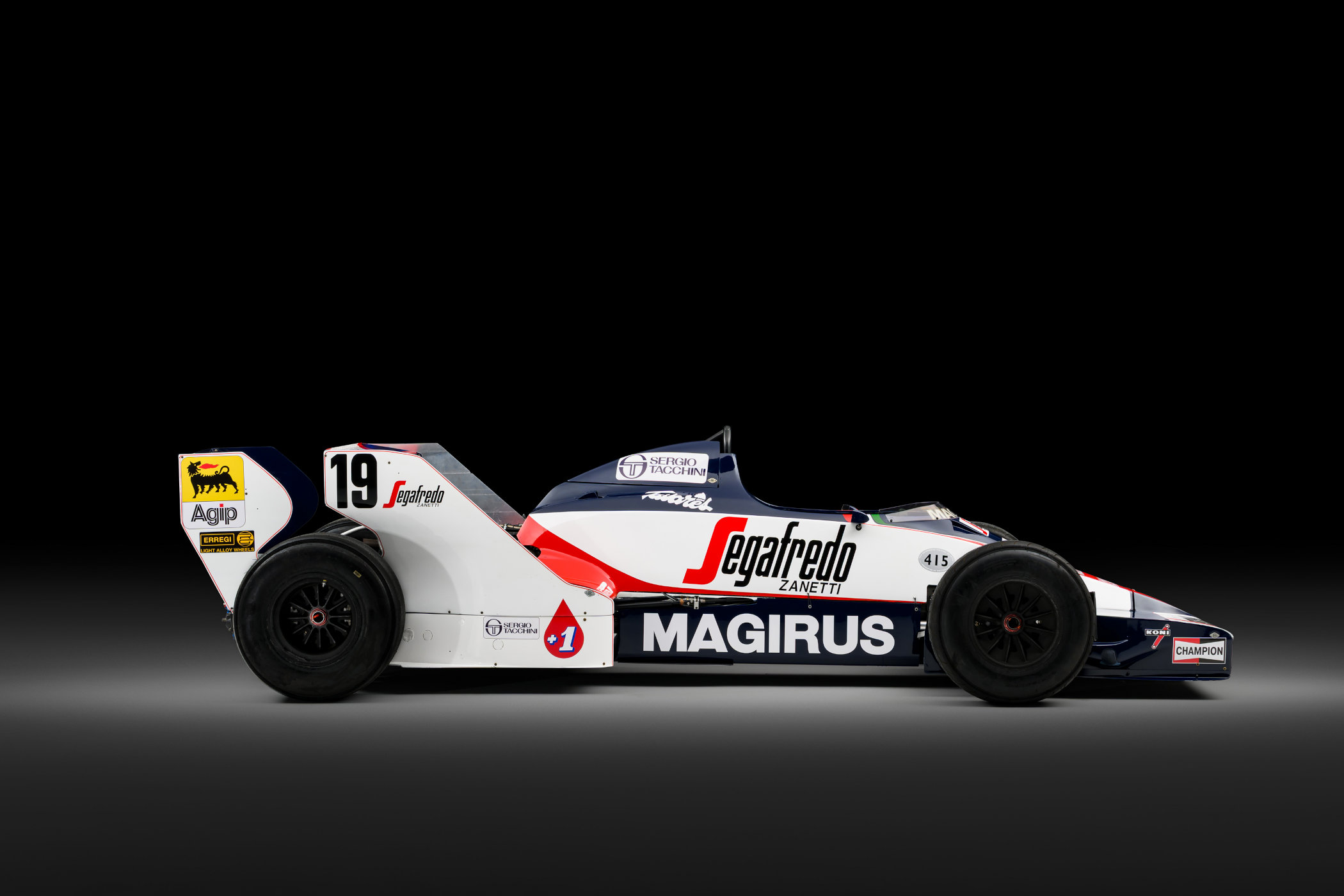
As mentioned, Senna’s racing career started with Toleman and the TG183B. This was right in the middle of the turbo-era of Formula 1, with regulations stipulating either a 3.0-litre naturally aspirated engine, or a turbocharged engine with a max capacity of 1.5-litres. With virtually all teams having switched to the smaller of the two and thus opting for turbo-power, some cars were pushing well over 1,000bhp in qualifying trim and over 800bhp in race trim, while weighing less than 600 kilos.
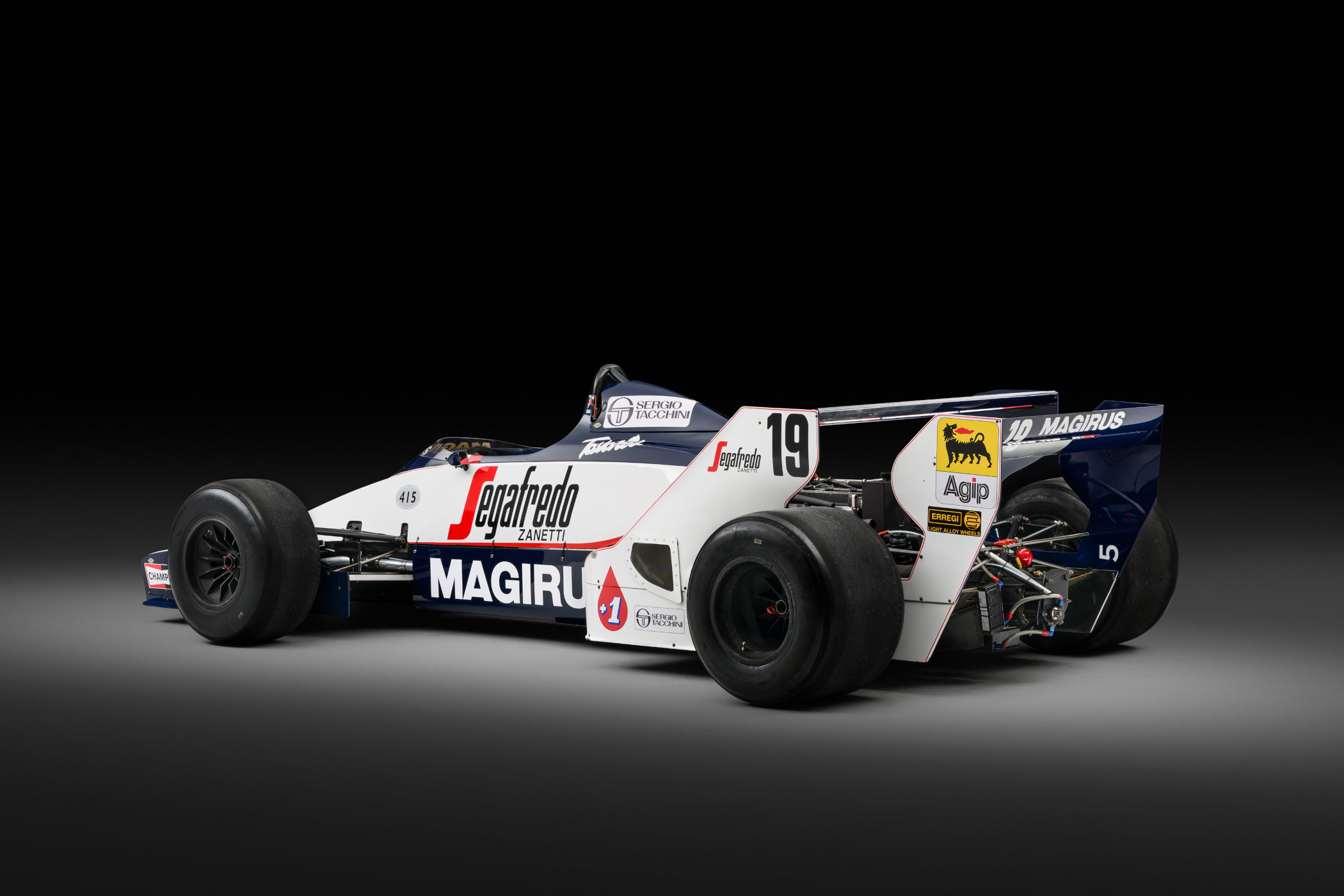
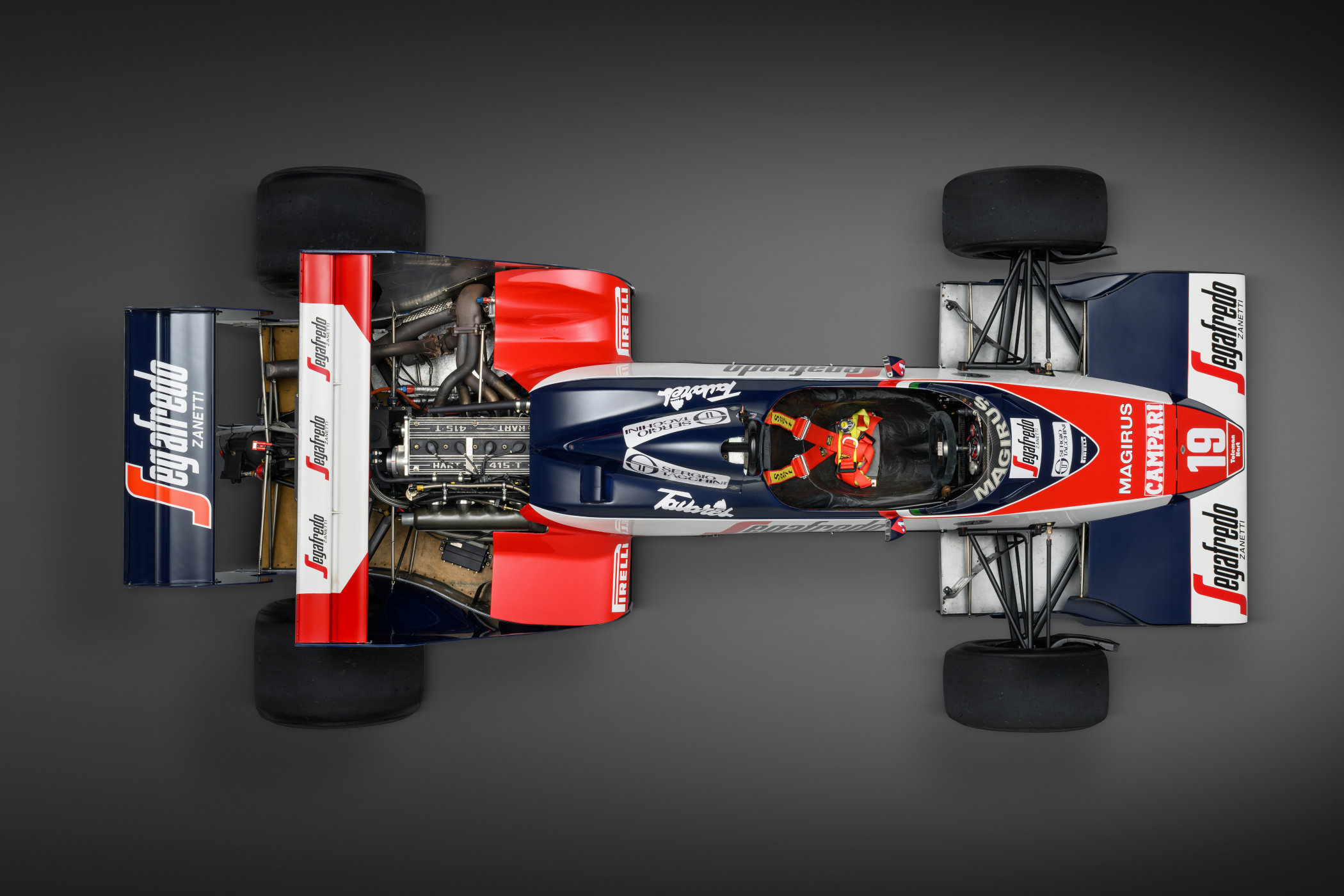
The main characteristics of Toleman’s TG181 and subsequent TG183 cars were the elaborate rear-wing designs. It was built upon a carbon fibre monocoque chassis, which was already common back then, and with the engine being a semi-stressed member of it. It had double-wishbone pull-rod suspension up front, with double-wishbone push-rod suspension geometry in the back. As mentioned, it was fitted with a 1.5-litre inline four-cylinder engine by Hart, mated to a Hewland five-speed gearbox. It also featured front-wing-mounted radiators, which proved to make the car somewhat unstable at high speed. Looking at the car from the top down, you’ll notice the rather square setup on both ends, with a very narrow cockpit area in between, something this era of F1 was known for (think of the Brabham BT-42, for instance).
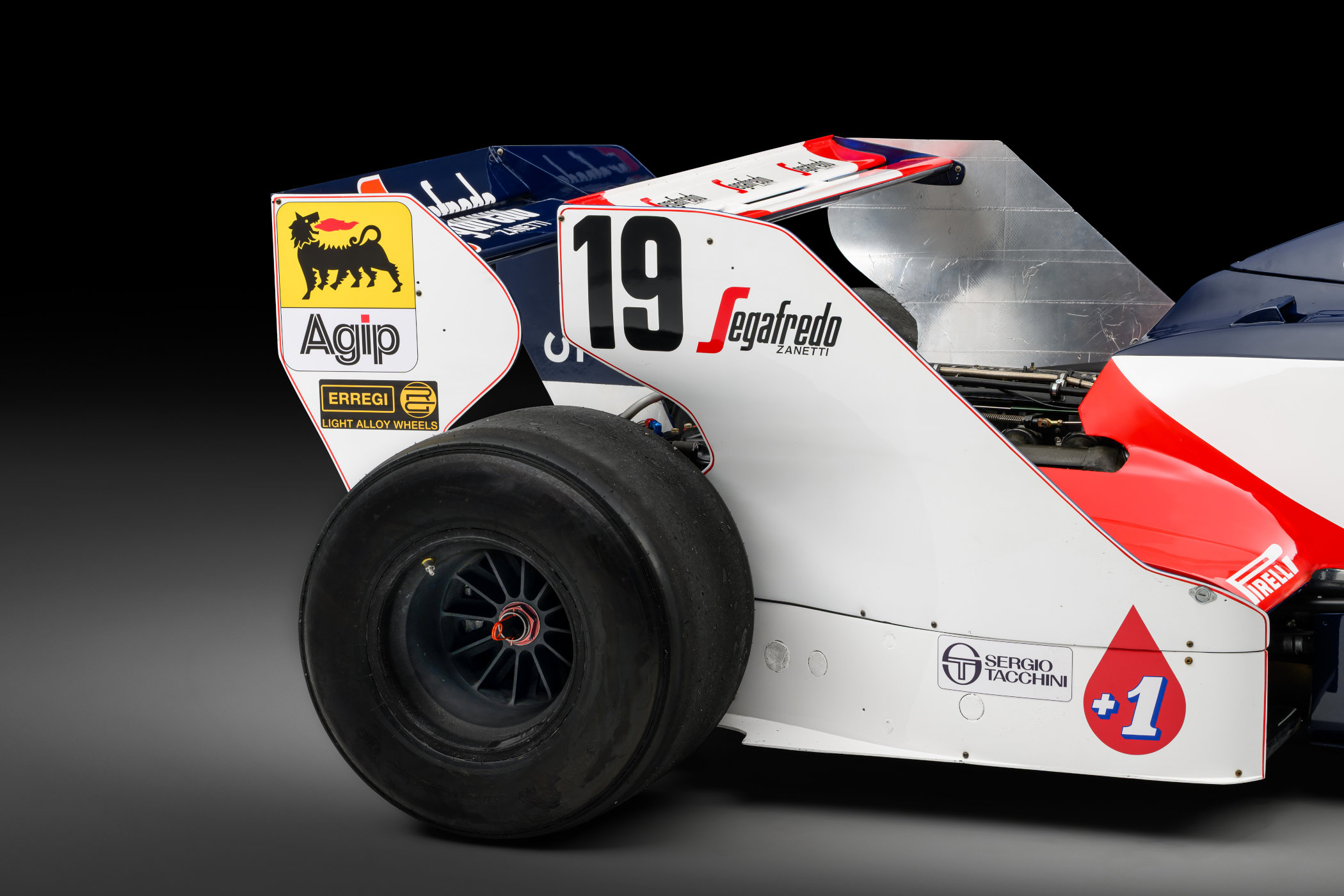
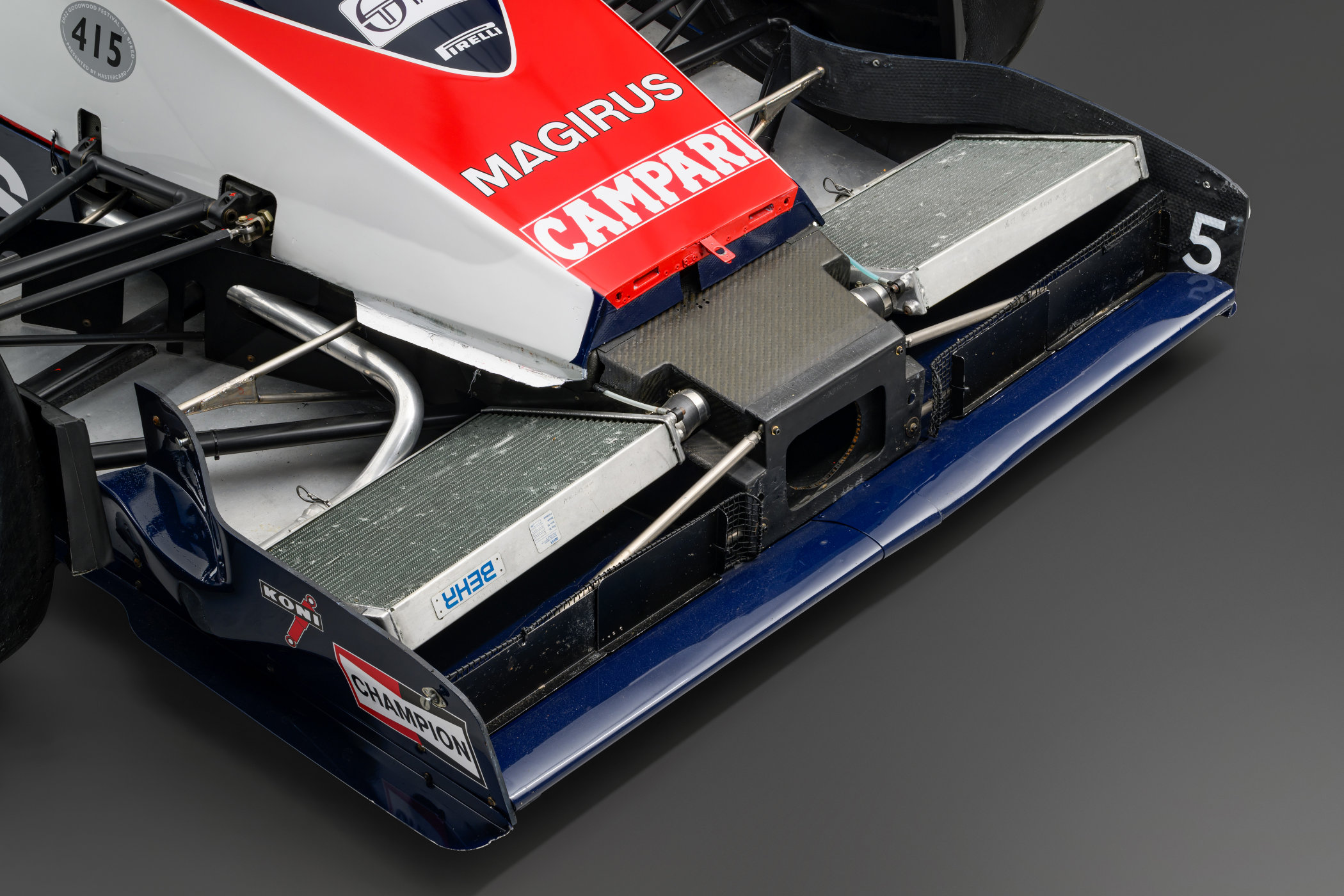
The Toleman TG183B made its racing debut in the penultimate race of the 1982 season, was raced all through the 1983 season and would be used in the first four races in the 1984 season. With Senna joining the team that year, this TG183B-05 chassis unknowingly made racing history as it gave the Brazilian his first out of 161 total race starts spanning a decade of racing. The opening race in his home country of Brazil was short-lived, though, as the turbocharger seized up on lap 8 of the race and forced the rookie to retire the car. Then came the turnaround, with Senna achieving back-to-back sixth-place finishes in South Africa and Belgium, before a Did-Not-Qualify in San Marino stopped his progress.
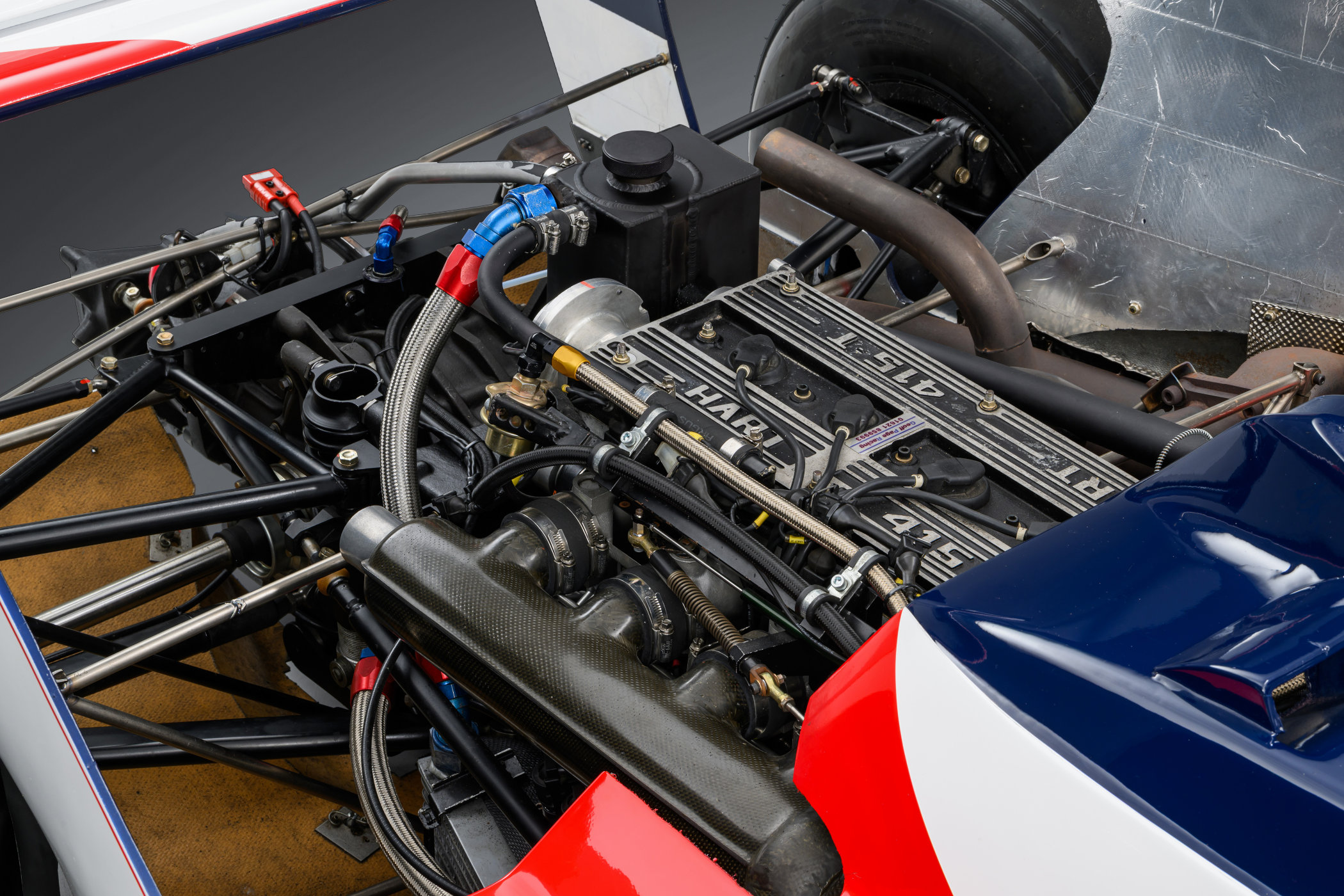
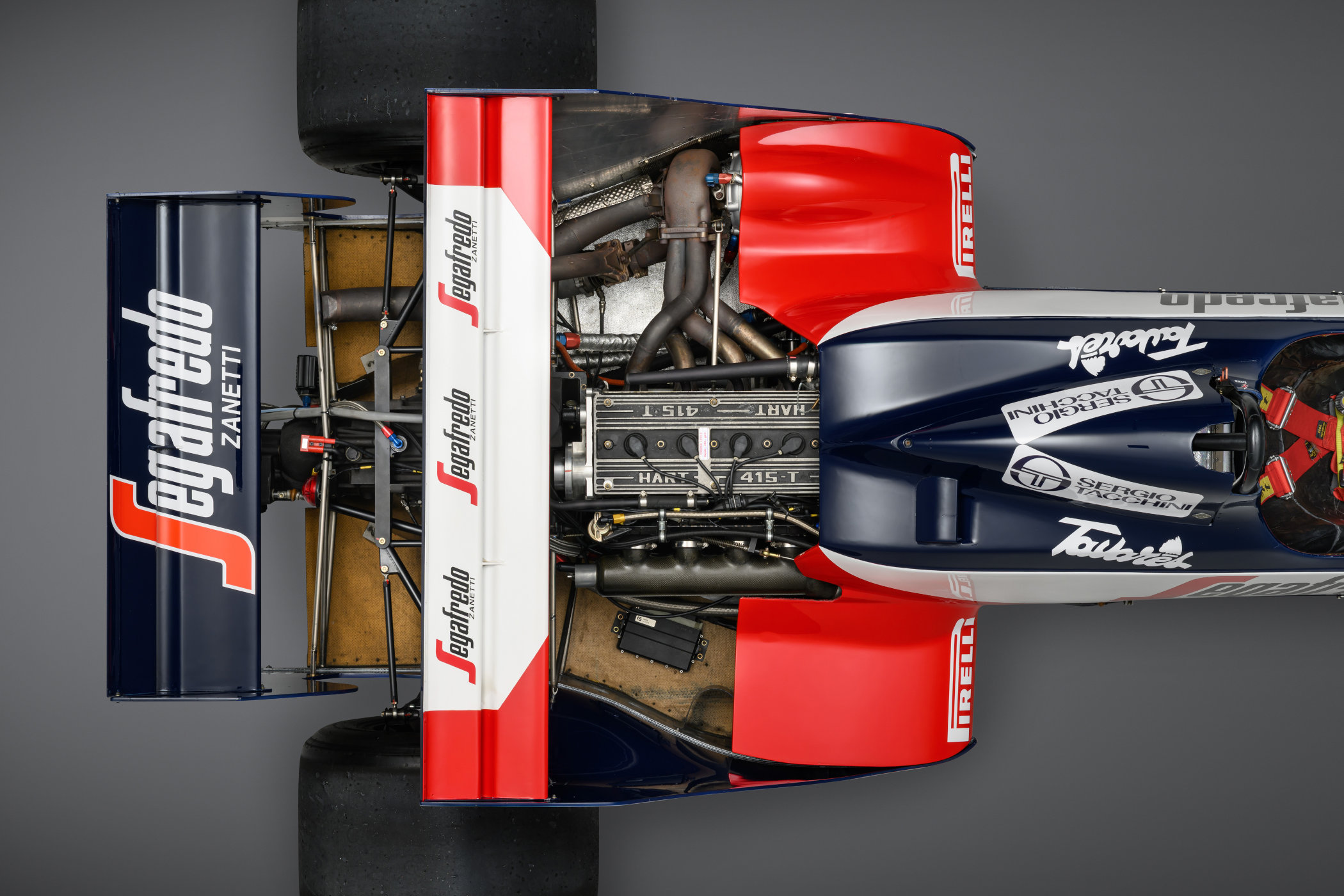
Although the TG183B-05 only served Senna for four races in his debut season, it stayed with the team until 1992, after which it was sold to someone in the US. Restored to full running and driving condition, it found a new owner in the UK in 2017, after which it featured in the 2022 Sky Sports F1 documentary The Story of Toleman, where former F1 driver Martin Brundle drove it at Brands Hatch. It was also featured in the 40th anniversary of Senna’s debut and the 30 years since his passing. As it sits now, it still has many of its original parts, including the wooden gear lever and knob Senna handled during those four Grand Prixs back in 1984. A quirky detail includes the accurate misspelling of Aryton instead of Ayrton on the footrest (sadly not shown in the pictures).
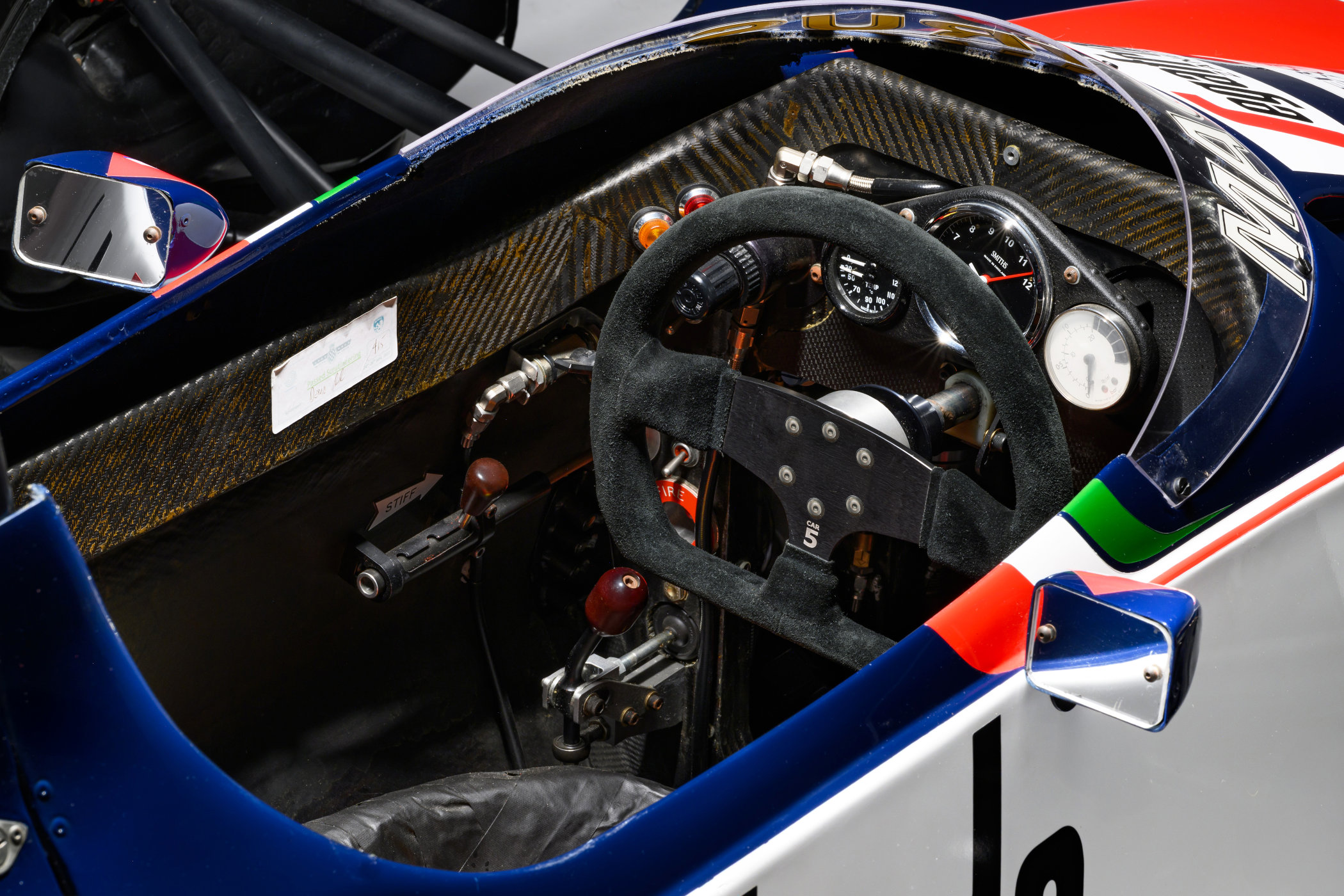
Senna’s 1984 Toleman TG183B, fully eligible for FIA-sanctioned historic racing, is up for auction in RM Sotheby’s Monaco 2026 Sale event held during the weekend of April 24th and April 25th 2026. The estimate is set at EUR 2.800.000 to EUR 3.800.000, but I feel like it could perform much stronger than that. Ayrton Senna da Silva is, of course, the greatest F1 legend known across the globe, and considering his untimely death and the rare occasions of Senna-driven F1 cars going up for sale or auction, it will surely get a ton of attention.
For more information, please visit RMSothebys.com.
Editorial Note: The information used and images portrayed in this article are sourced from and used with permission of RM Sotheby’s, unless stated otherwise.