


 Not all images were able to load for printing. Please close the print window and try again.
 The Chinese Market, An Insider’s View with Chow Tai Fook, China’s Leading Company
An interview with Mr. Christopher Cheng, Managing Director, Group Watches of Chow Tai Fook Jewellery Group, one of China's largest and oldest jewellery makers.
Month after month, the Swiss watch industry is experiencing stagnant sales and even a marked decline in exports to key markets. All voices – industry, studies – are turning to China to explain the current difficulties, praying for a rapid return to growth in the Middle Kingdom, after years of crazy growth. We have to remember the sheer size of the Chinese market for the luxury business, all the more the luxury watch industry. For example, in 2023, China and Hong Kong imported over CHF 5.1 billion in watches, or about 20% of global Swiss watch exports. This is also CHF 1 billion more than the US market, as a comparison.
Swiss watch exports to China have seen a significant decline over the past five years, marked by a strong peak in 2020 and 2021, followed by a sharp contraction in 2022, and a further decrease in 2024, according to the Federation of the Swiss Watch Industry (FHS). And the latest statistics from the FHS indicate that 2025 will again show a decline for China (-13.5% as of October 2025).
The lamentations mostly reflect the Western, European and/or American point of view. However, it is essential to counterbalance this and take another look at the situation, a look directly anchored in the heart of the Chinese market and led by a major player in the business – jewellery and watchmaking – in the region. But not an analyst working for some international firm selling studies to anyone who wants them: it is more consistent to take the pulse of a contact in direct contact with the market, and a major one.
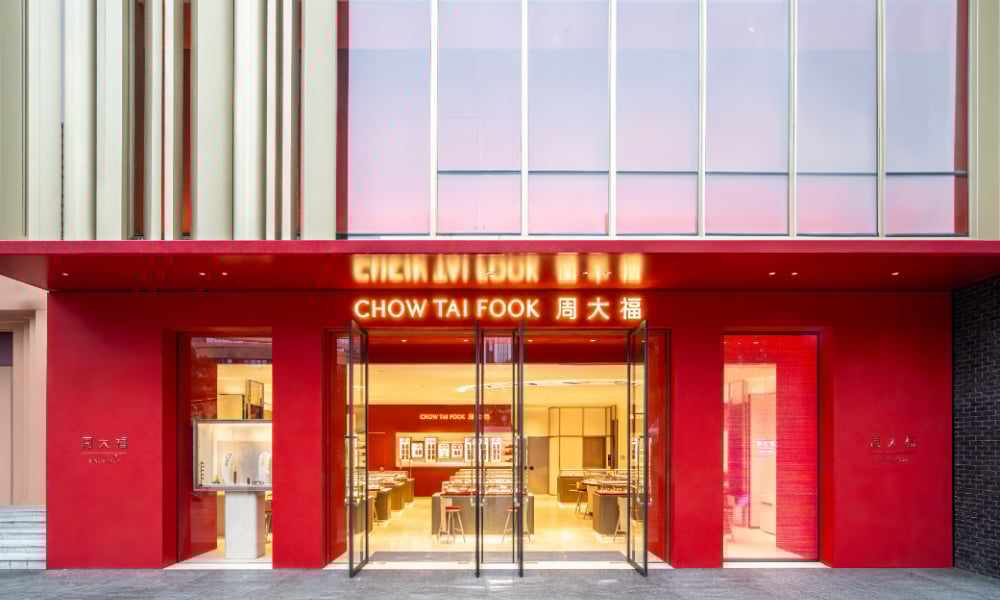
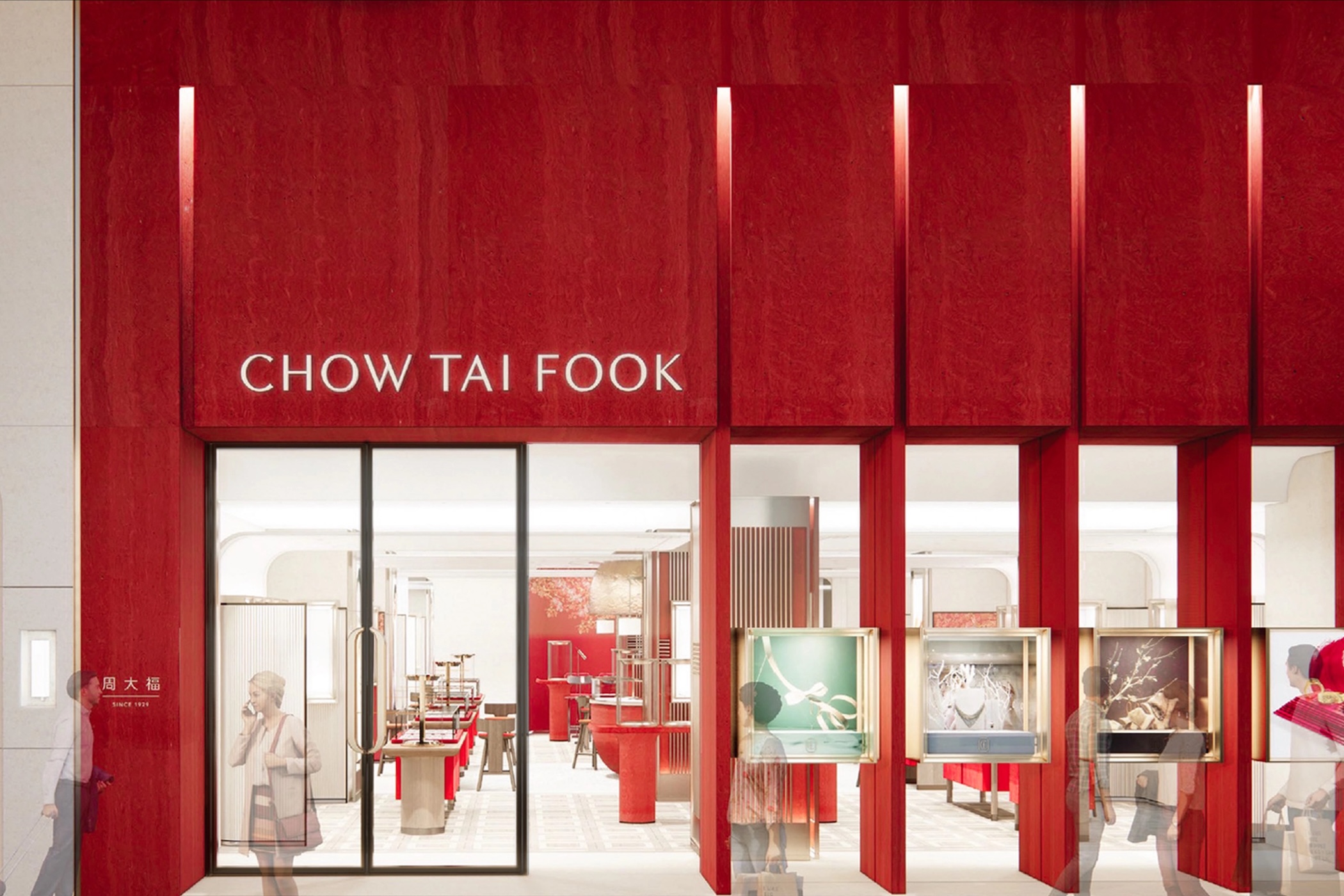
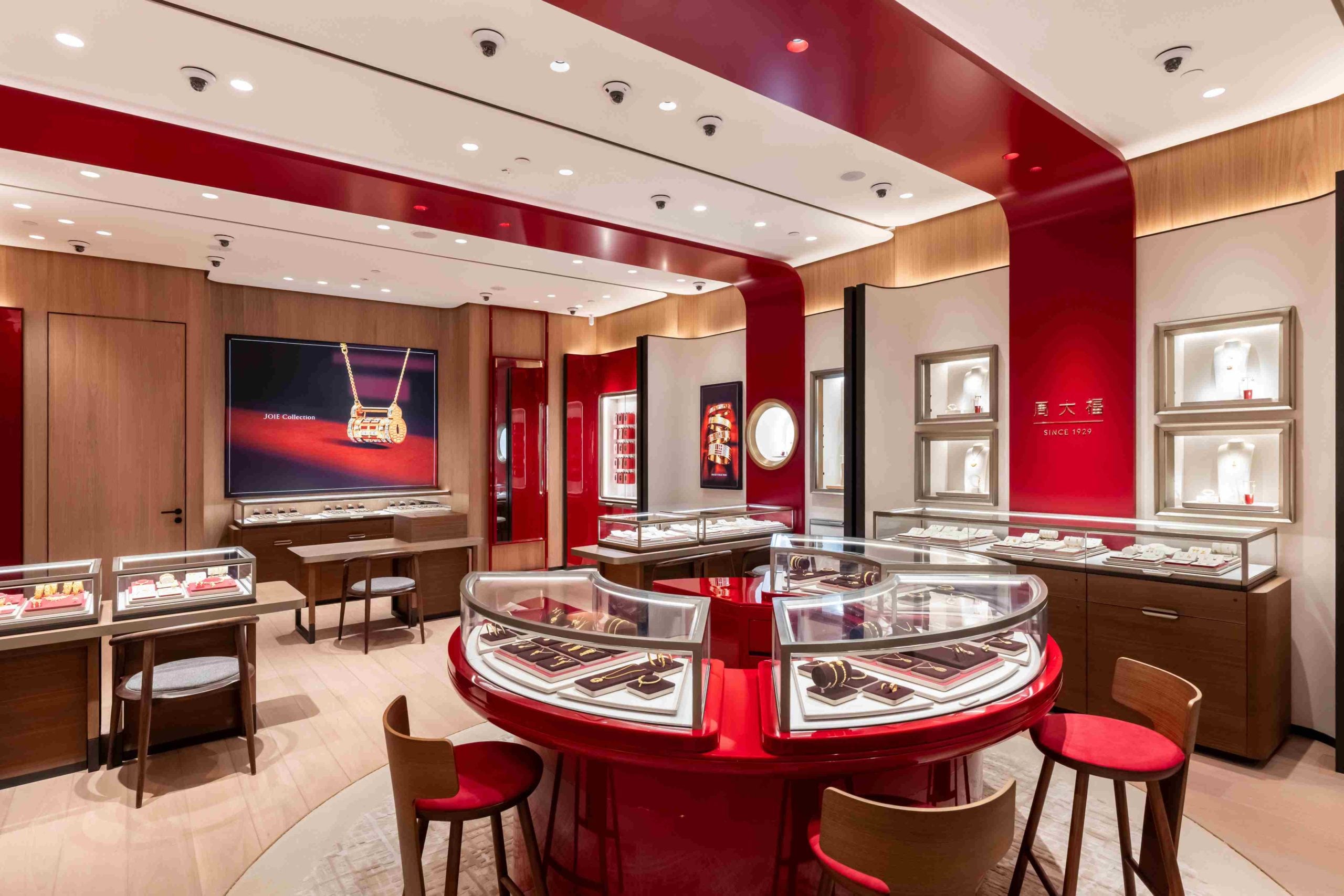
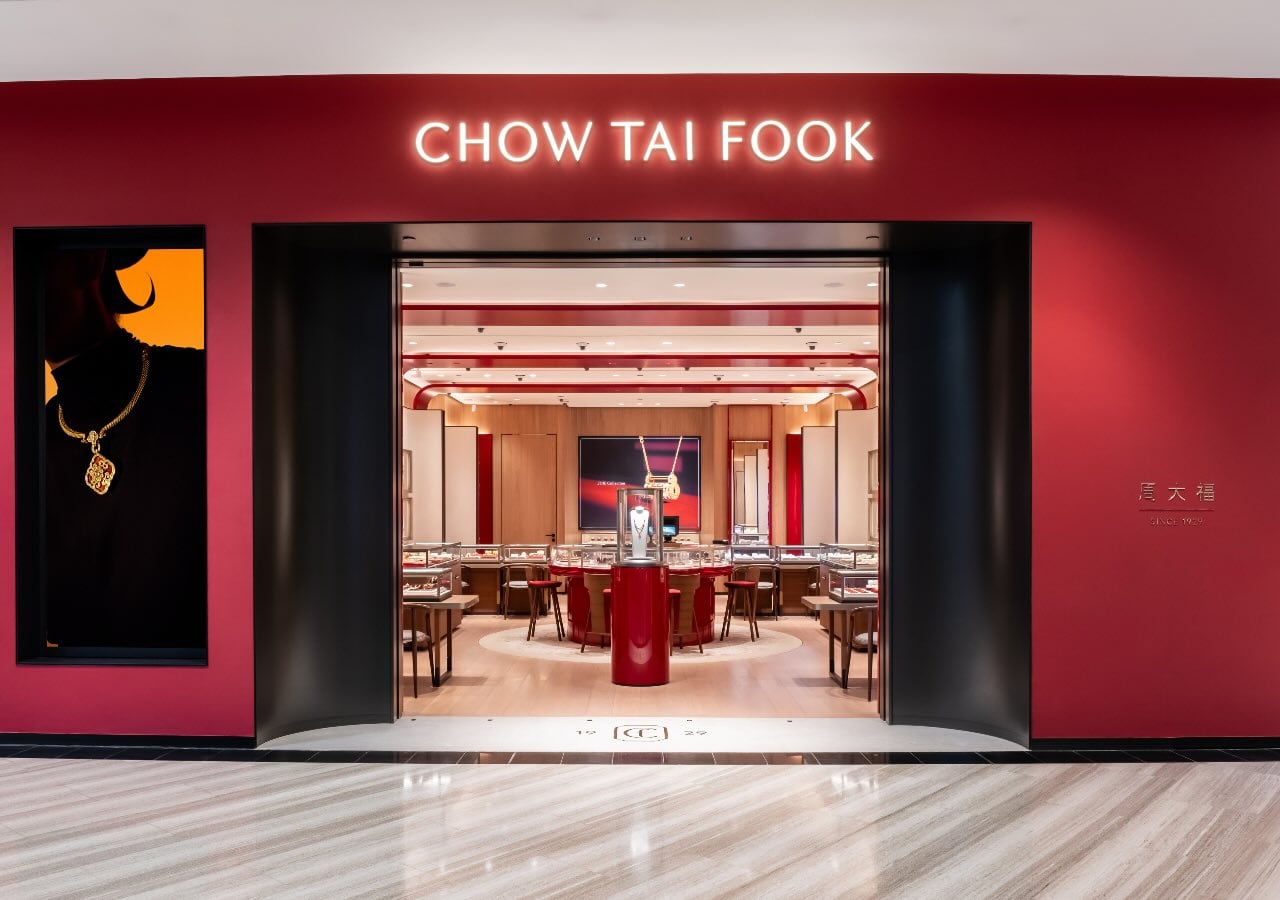
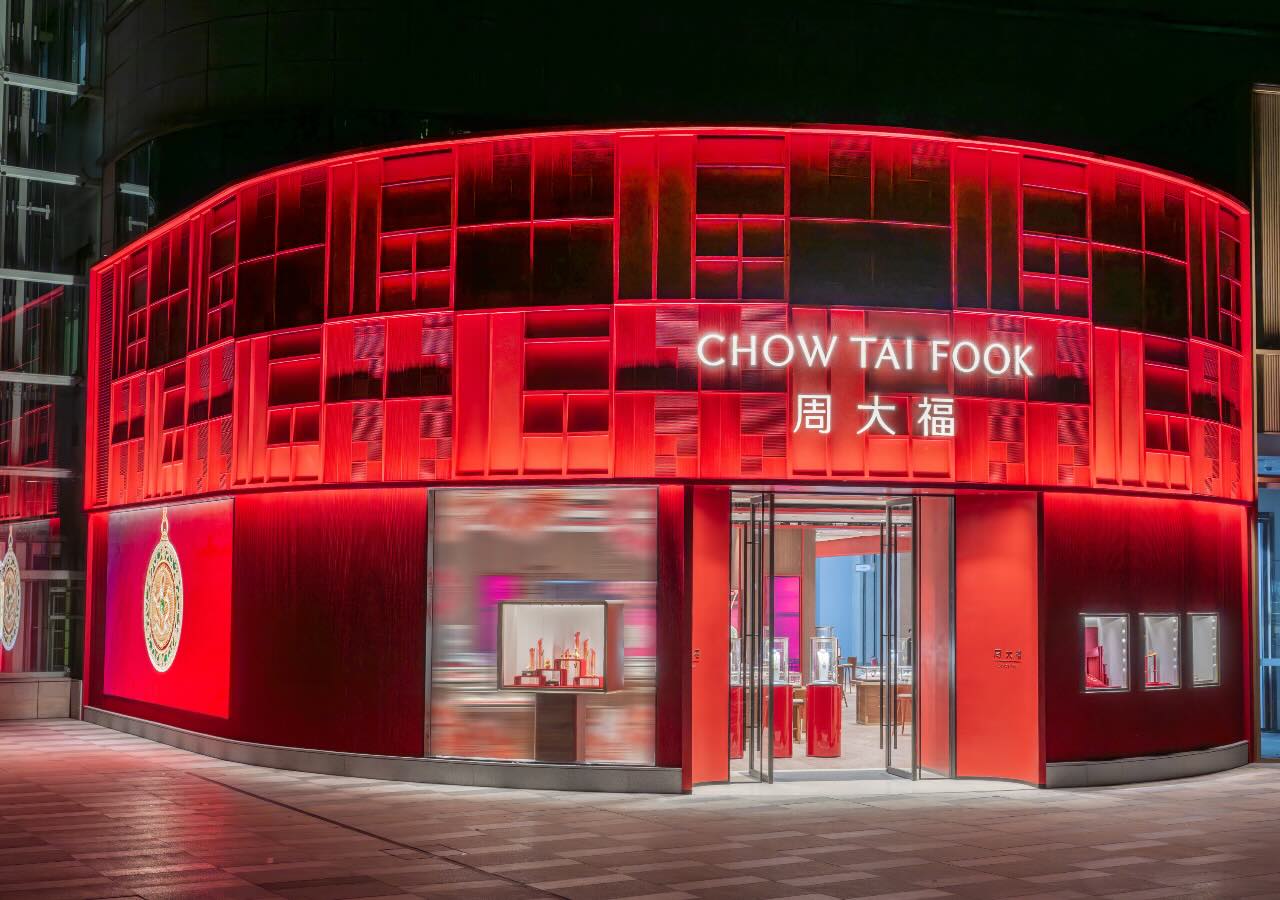
Who else but the Chow Tai Fook Group to talk about it? A long history rooted in the Chinese world, an unavoidable striking force born in 1929 in Guangzhou, before experiencing inexorable development: Hong Kong, Macau, Beijing, and Wuhan. As of December 31, 2024, Chow Tai Fook had 7,065 points of sale in total, including 6,904 points of sale in mainland China and 161 combined in Hong Kong & Macau and other markets. According to Chow Tai Fook’s latest financial reports, the company’s current revenue is USD 11.52 billion. The group is even ranked the tenth largest luxury company in the world in sales, according to Deloitte.
Even if jewellery remains the historical core business of the group, Chow Tai Fook is also active within the watch business, representing Rolex and Tudor, almost all brands from Richemont and Swatch, without forgetting LVMH brands and independent brands such as Parmigiani and Chopard. This is an impressive portfolio correlated to the potential power of CTF, which only accounts for 5% of the total group’s sales.

Mr. Christopher Cheng, a member of the founding family who owns it, is a passionate watch collector. He recently took a role as managing director of the Group’s watch division. Is it a move towards the development of CTF within watch distribution? Mr. Cheng has agreed to give his viewpoints about the current Chinese watch market and the ambitions of Chow Tai Fook related to the watch business.
Pascal Brandt, MONOCHROME – Mr. Cheng, seen from a Western perspective, China’s weak market and sales are the main troublemaker in terms of watches and luxury products slowing down as always mentioned by Western surveys. What is your view about that point from a Chinese perspective?
Christopher Cheng, Chow Tai Fook: The characterisation of China as the ‘troublemaker’ behind the slowdown in watches and luxury goods, as often portrayed in Western analyses, overlooks the underlying dynamics we observe daily across our extensive watch distribution network and thousands of jewellery boutiques nationwide. Rather than a ‘weak’ market, what we are witnessing is a ‘market in transition’.
From a macroeconomic standpoint, the ‘Total Retail Sales of Consumer Goods’ in China continues to record positive growth, albeit at a more moderate pace. On the micro level, a broad spectrum of brands – ranging from emerging to heritage labels, from sportswear to high-end luxury, and from domestic to international players – are demonstrating steady and sustainable expansion across the country. Chow Tai Fook, in particular, continues to exemplify resilience and adaptability. The fact that our market capitalisation returns to a historically high level serves as clear evidence of our recent accomplishments.
In essence, Western surveys often fail to recognise the process of ‘market rationalisation’ underway in China. Consumers are not retreating from consumption; rather, they are becoming more selective and value-conscious – choosing ‘better’, not simply ‘more’.
How do you explain this decline in sales for watches? Real estate crisis, as always mentioned in Europe, other reasons?
When discussing the decline in watch sales, it is important to recognise that we are comparing the current period to an exceptionally strong cycle – one that was driven by several unique and overlapping factors.
During that earlier phase, border closures had significantly limited the overseas consumption of Chinese travellers, leading to a surge in domestic demand. In addition, an investment-driven buying wave emerged, fuelled by speculation and exuberance in the secondary market. At the same time, an overexpansion of physical retail networks led to excessive brick-and-mortar presence across the market.
The turning point coincided with the peak of the real estate market, which often gets cited as the key factor in Europe. In reality, that was merely a trigger that accelerated the market’s adjustment. Chinese consumers are now travelling abroad again – though not yet as actively as before – while secondary market prices have normalised, making customers more prudent when it comes to high-value purchases.
From my perspective, over-distribution remains an underestimated issue. Chow Tai Fook’s watch sales have remained resilient, thanks largely to our longstanding partnership with the brands that maintained a disciplined and measured approach to network expansion over the past few years. In contrast, brands that pursued aggressive growth – driven by retailer stocking and rapid new store openings during that boom period – are now facing a “double correction”: the closure of underperforming outlets and the need to destock. These combined effects have led to the striking figures reflected in recent FHS reports.
Could the previous years’ sales recover and reach their previous levels?
The answer varies significantly from brand to brand. Market polarisation is no longer a new phenomenon—we have witnessed many brands losing their market position, and for some, returning to their previous levels may now require far greater effort, if not be altogether unattainable. In contrast, leading brands have remained solid and resilient, showing no real signs of losing ground.
As for the market overall, recovery is indeed possible, but it will be gradual and driven by innovation and new strategic initiatives. Every market adjustment—or ‘crisis’ if one wishes to call it that—marks not an end, but the beginning of a new cycle. The era of simply ‘shipping to China’ is over. Chinese consumers today are arguably among the most discerning in the world, having been ‘spoiled’ in a positive sense by the variety and sophistication of choices available to them.
These consumers are also very value-conscious. With increased transparency in the secondary market, reference prices are clearer than ever. The message is unmistakable: Chinese consumers are more assertive and demand true value and relevance.
For watch brands, success in this environment requires the right product strategy, effective communication, and a deep understanding of consumer behaviour—areas in which Chow Tai Fook excels. Consequently, we are seeing more ambitious brands that believe strongly in China strengthening their partnerships with us, recognising that collaboration is essential to sustaining growth in this dynamic and evolving market. We appreciate this trust and are confident in our ability to help our partners continue their success in the years ahead.

About your product portfolio: jewellery is at the heart of Chow Tai Fook history and core offer; meanwhile, you represent Rolex and Tudor on the watches side, which signals extreme selectivity. Any wish to extend the watches portfolio? If yes, which brand/profile: Patek Philippe? A few others?
As you may know, Chow Tai Fook already represents a broad and carefully curated portfolio of watch brands. At the same time, we continuously review our investments and partnerships, as we firmly believe that any collaboration must be sustainable and mutually beneficial in the long term.
Regarding Patek Philippe, it is, of course, a truly exceptional Maison. Its exclusivity demands a level of personalised service and client engagement that aligns perfectly with the capabilities of our experienced team and the refined environment of our luxury retail spaces.
That said, we do not pursue brands merely for the sake of prestige. For us, the priority is always ‘strategic fit’. Speaking personally, as a watch collector myself, I am drawn to brands that embody craftsmanship, authenticity, and storytelling—those whose narratives genuinely resonate with today’s Chinese collectors.
Chow Tai Fook is uniquely positioned to identify and represent such brands, as our extensive retail network and deep understanding of local clientele are rooted in the group’s nearly one century of development in the watch & jewellery sector. We see it as both our privilege and our responsibility to bring first-class watchmaking to our customers, who increasingly expect—and deserve—the very best.
Rolex is streamlining its retailer network. Are you concerned by this evolution, and what is your point of view about luxury product distribution? Do you feel that retail might be deeply affected by such a move?
Chow Tai Fook’s ambition has always been to be a ‘world-class retailer with global impact’ in watches. We believe deeply in the synergies that the watch category brings to our broader business, as well as in the value we contribute to the luxury industry as a whole.
With respect to Rolex, I would highlight two key facts: first, Rolex remains dominantly a wholesale brand; and second, it continues to gain market share globally. In that context, professional retail groups that can uphold elevated brand standards and deliver outstanding client experiences continue to play a critical and mutually beneficial role.
Our partnership with Rolex is not weakening—in fact, it is becoming even stronger. We anticipate several promising initiatives with Rolex across the Greater China region in the near future. We stand proud to blend our expertise with luxurious, inviting retail spaces designed to create unforgettable experiences that truly resonate with our valued clients. Rolex shares our client-centric philosophy, which has underpinned a partnership that has endured for more than 5 decades.
The broader question concerns the future of luxury distribution. Ultimately, the sustainability of any retailer hinges on its ability to define and cultivate its ‘core competencies’ and ‘unique value proposition’. Those that do so effectively will remain central players regardless of how the distribution landscape evolves. For Chow Tai Fook, the journey toward becoming a truly world-class retailer is one of continuous refinement—demanding ongoing investment, rigorous self-assessment, and a commitment to excellence.
We remain fully dedicated to developing both our retail infrastructure and our people, as we are convinced that these investments will reinforce our leadership position and ensure our continued relevance in the evolving luxury distribution environment.
The global watch market is evolving: domination by a few majors (PP, Rolex notably) on one hand, all the others on the other hand, to sum up. In the meantime, it looks like new generations are increasingly attracted by brands which are not mainstream but offer added-value content and fresh creativity. Can you feel this trend as well in mainland China or Hong Kong?
Absolutely. As I mentioned earlier, the appreciation for ‘mechanical art’ is one of the key drivers of passion for watches today—and it is a trend I personally observe closely. Even though the community remains relatively exclusive, it is expanding rapidly, particularly among a younger, well-educated generation with an international outlook. They respect tradition yet remain open-minded and eager to stay current.
Through our extensive network in China, we are connecting an ever-growing number of watch enthusiasts across the Greater China region. Many of them are exploring the world of fine watchmaking with genuine curiosity and a desire to engage with the global collector community.
At the same time, for many brands—especially independent ones—China still represents a fascinating and largely untapped market. We see it as our privilege and responsibility to help build these bridges. Riding this wave of renewed enthusiasm, we also see opportunities in ‘incubation’: fostering the next generation of creative talents in watchmaking, whether they are based in Switzerland, Japan, the United States, or here in China. Supporting this exchange of ideas and craftsmanship is part of our long-term commitment to the industry.
During my last trip in Mainland China in 2025, I faced an interesting social trend: the “national pride”, which replaces at the centre of the game the traditional Chinese values and skills in various domains (Hanfu clothing, for instance). Does it go alongside what could be perceived as a kind of rejection of the Western luxury products (and values) which flooded the Chinese market? In other words, does the “cultural” argument play a role?
This trend has indeed sparked a ‘rebalancing of preferences’ among Chinese consumers. As a group deeply rooted in Chinese culture, Chow Tai Fook witnesses this shift every day: a customer might purchase a Hanfu for a traditional festival and later visit one of our boutiques to select a Rolex Datejust. This is not a rejection of Western luxury—it is an ‘integration’ of global sophistication with a renewed sense of cultural identity. Our jewellery business has long thrived on this balance, and the same principle increasingly applies to watches. Chinese consumers take pride in their heritage while embracing global excellence; they do not see these as contradictions.
That said, expectations are now significantly higher than before. Take, for example, the Chinese Zodiac. It is no longer sufficient to simply place a rabbit on a watch dial during the Year of the Rabbit and expect success, as may have worked in the past. Today’s consumers demand more: they seek vivid artistic interpretation, a genuine understanding of Chinese culture from the watchmaker, and above all, a sense of intimacy and respect reflected in the design.
Looking ahead, it is natural that this cultural reawakening also inspires growing interest in ‘Chinese watchmaking’. This evolution is not a challenge to global luxury—it is an enrichment of the global watchmaking landscape.

You tapped another interesting topic: Chinese watchmaking. I can notice that Chinese culture, history and values could allow for the launch of a top-end Chinese watch brand. China masters complications, China masters supreme craftsmanship and handicrafts even better than many of the Swiss brands. There are a few existing (Ciga Design, small independent watchmakers such as Fam Al Hut), but nothing yet which goes towards an established international exclusive high-end watch brand. Is this perspective realistic according to you?
Absolutely. Being one of the watch manufacturing hubs of the world, China has managed to set up a very mature supply chain in the past to make quality watches at scale and, at the same time, cultivated a large pool of talented professionals. This sets the crucial foundation for the Chinese watch industry to move forward in the coming decade. The next big step is to curate more talent and brands at a high level.
In fact, there are already a few Chinese brands starting to establish themselves in the higher-end category and getting attention from the rest of the world. I can also tell you that there are quite a few talented watchmakers and promising brands that are emerging with distinctive design, artisanal craft and strong technical capabilities. We will be excited to share more with you in the near future.
Creating an exceptional timepiece is only the beginning. True success in fine watchmaking also depends on achieving commercial sustainability—where marketing excellence, brand storytelling, effective distribution, and after-sales play decisive roles. This is often the most challenging step for young brands to become established ones.
At Chow Tai Fook, we are proud to collaborate with emerging local brands. We possess the expertise, network, and financial resources to help nurture Chinese talents. Our ambition is not only to support their artistic and technical growth but also to help them build enduring brands capable of standing proudly alongside the world’s most respected names in fine watchmaking.
For more details about Chow Tai Fook, please visit www.chowtaifook.com.

2 responses
A fascinating read and understanding of a market in transition. It appears Chow Tai Fook has a good understanding of their core competencies and are nimble enough to adjust.
Man, there are some tells that response was written in chatgpt.