
 Not all images were able to load for printing. Please close the print window and try again.
 Why Are Some Watch Cases Filled with Oil?
Most watchmakers go to great pains to keep the inside of watch cases pristine and resistant to water, dust and other contaminants, but a handful deliberately flood the case with oil.
Wristwatch manufacturers focus on keeping cases air and watertight so the movements can operate trouble-free in daily use. This started in earnest in 1926 with Rolex’s robust Oyster case, but even delicate dress watches today have a degree of water and dust resistance for splashes, rain and so on. However, a small handful of brands deliberately fill the cases with oil, which seems counterintuitive to modern, sound watchmaking. It can be surprisingly effective for both aesthetics and enhanced functionality, and engineers have developed innovative methods to make low viscosity oils compatible with accurate timekeeping. In this ABCs of Time article, we’ll look at five brands that have filled their watches with oil for aesthetics and improved legibility, while also dramatically increasing water resistance in some cases.
Ressence
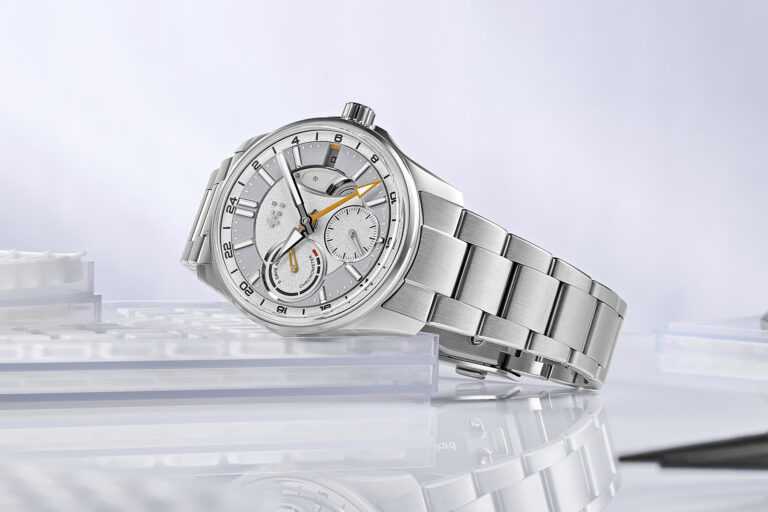
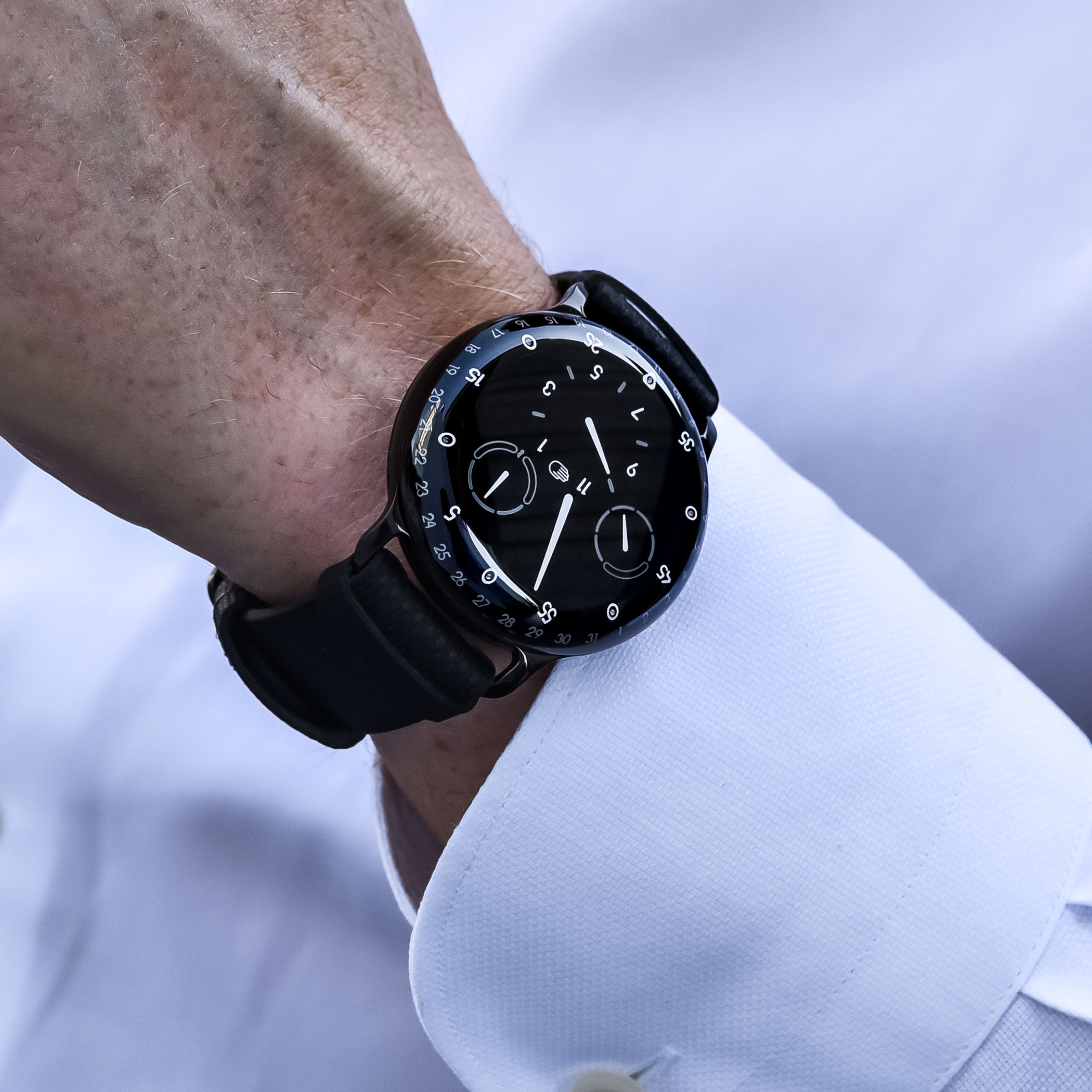
Belgian indie watchmaker Ressence‘s oil-filled watches are for aesthetics over effective water resistance, but the approach is very different. Some watches fill the entire case, so a quartz movement and an air bubble are required. Ressence only fills the dial-side module, leaving the bottom half oil-free so the mechanical movement can function. You won’t find an air bubble under a Ressence crystal, as a bellows system to compensate for expansion is in place, allowing an uninterrupted view of the dial elements that seem to float within the crystal itself. Founded in 2010 and based in Antwerp, Ressence also shuns conventional aesthetics, featuring unique dial designs with independent sub-dials that orbit the watch face. It’s called the Ressence Orbital Convex System (ROCS), which uses an in-house module over an ETA 2824-2.
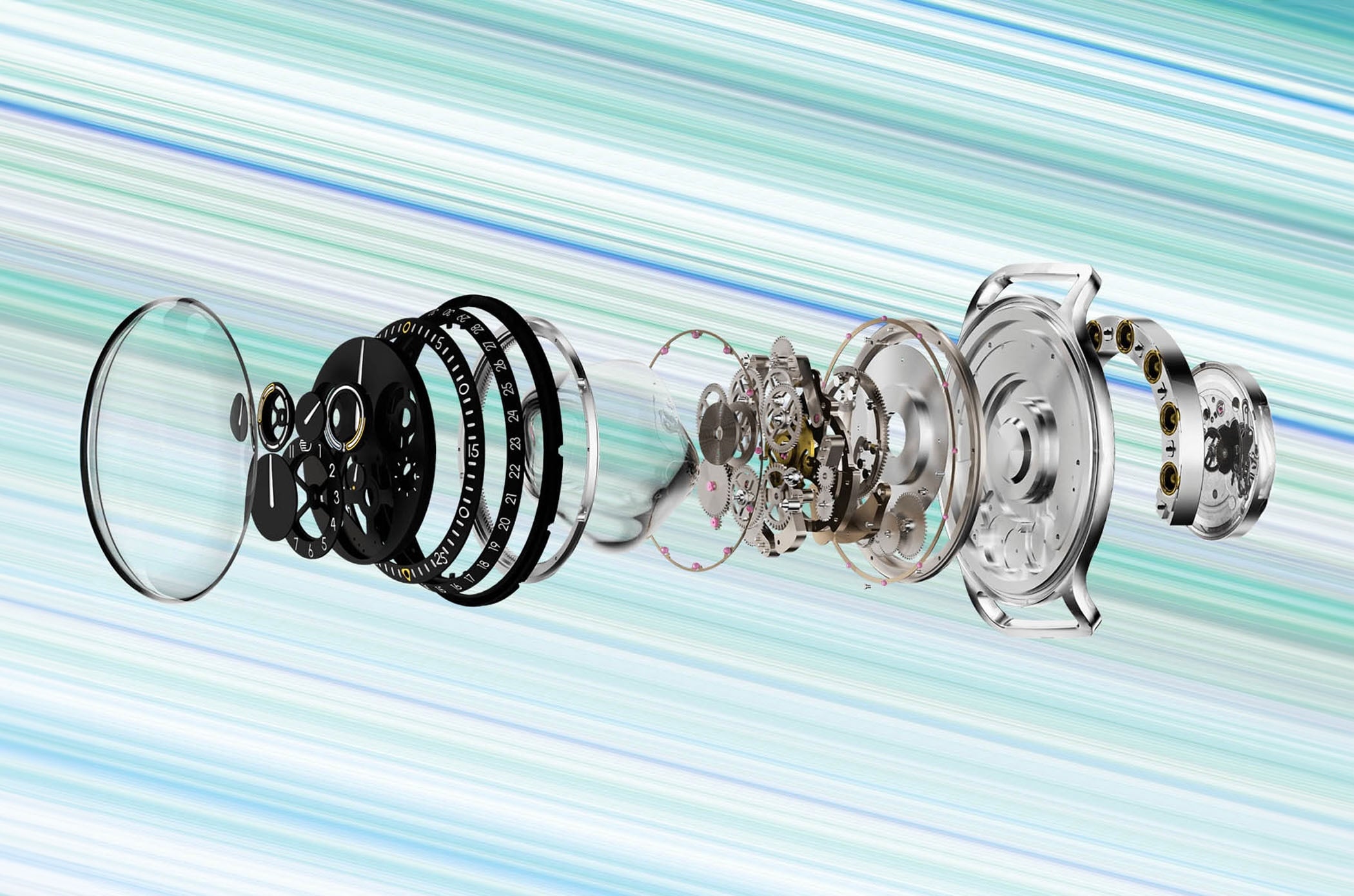
Because only the dial side is filled with oil, a magnetic transmission connects the movement to the dial elements, keeping both halves sealed, and the watch is wound and time is set via the rotating case back, as there’s no crown. Not all Ressence watches are oil-filled; it’s limited to the Type 3, Type 5, and most recent Type 7 models, but all have the watchmaker’s unconventional design ethos.
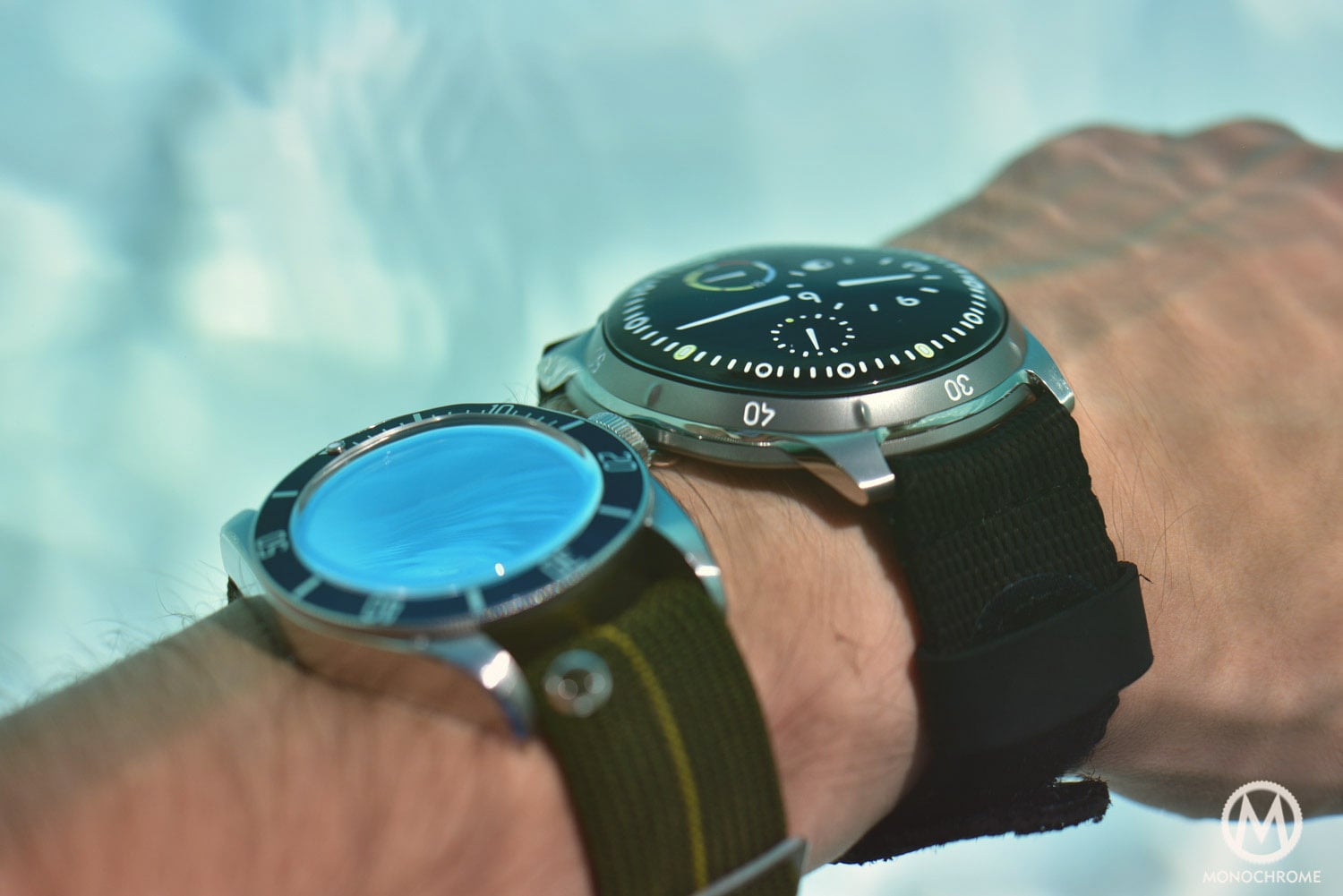
Ressence Type 3, Type 5 and Type 7
All three models use 3.57 to 3.75 ml of silicon-based oil on the dial side, which enhances visibility because the oil and sapphire crystal share the same refractive index. The oil also keeps the dial elements continuously lubricated, increasing longevity and reliability. Even with the bottom half empty for the movement, the same laws of physics apply as the top half is 100% filled and sealed, so oil expansion due to temperature must be addressed somehow. Ressence uses a sophisticated series of seven miniature bellows that expand and contract during temperature fluctuations, which can safely range from -5/+55 degrees Celsius. A dial-side temperature gauge also lets users know the current oil temperature, which can actually be useful outdoors during harsh winters or summers.
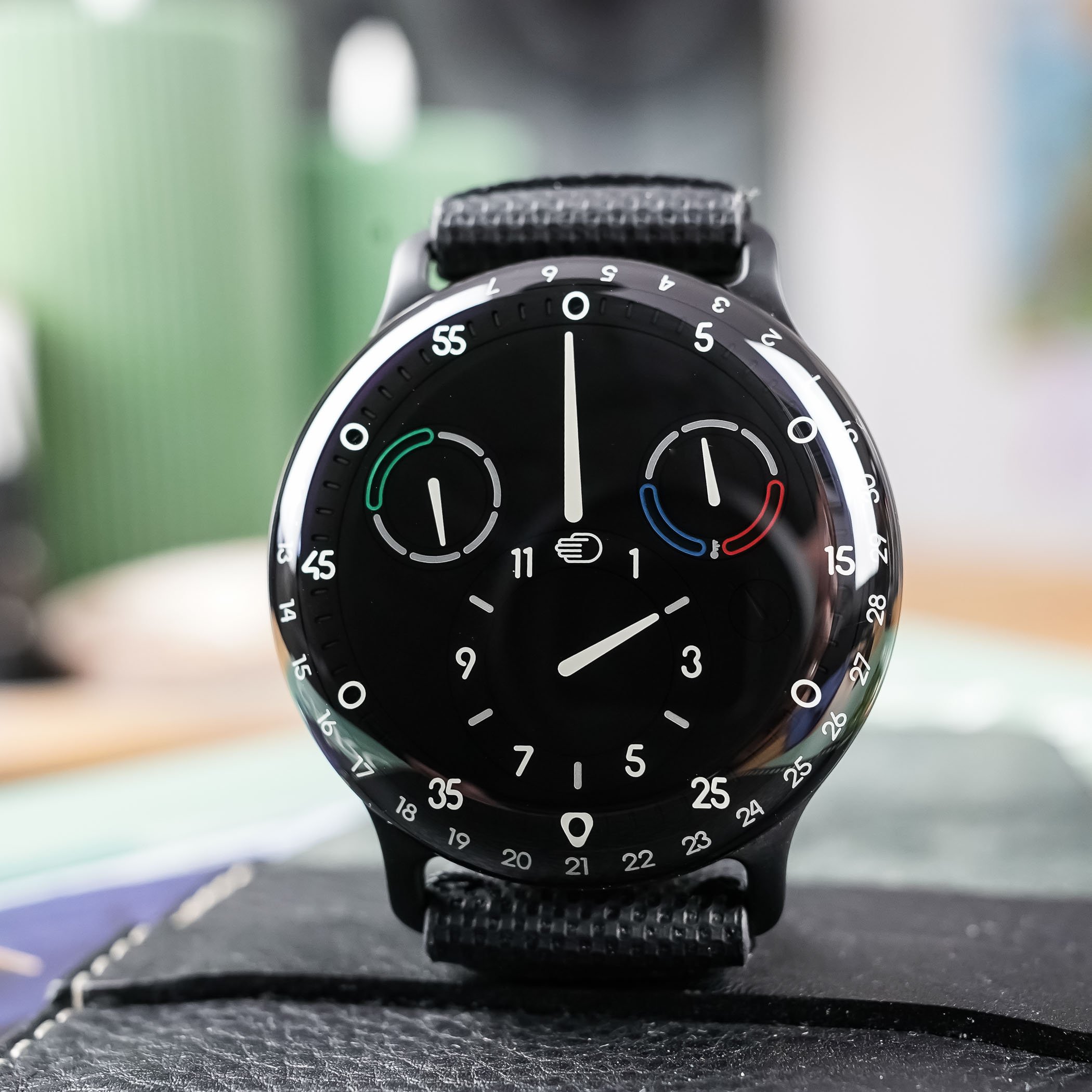
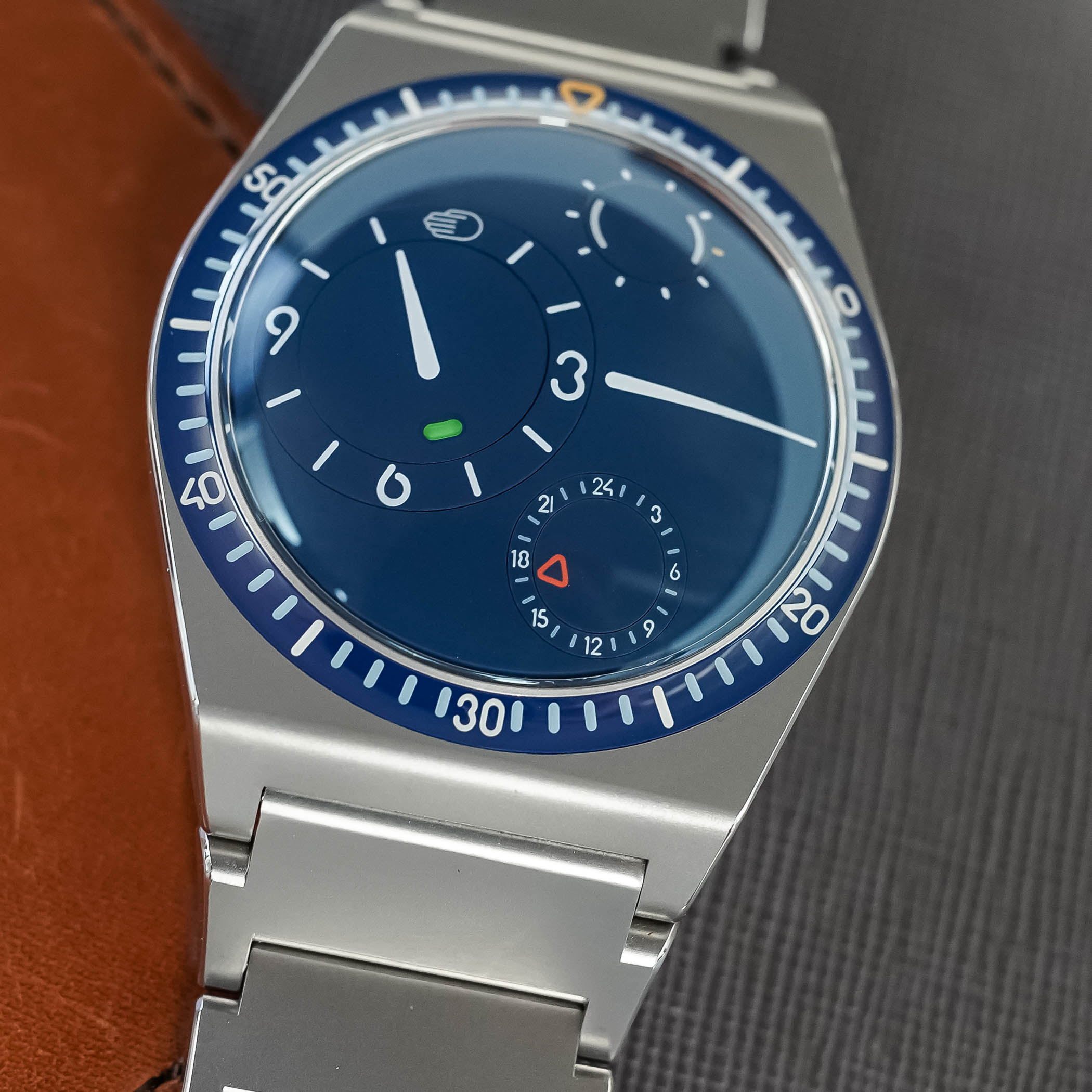
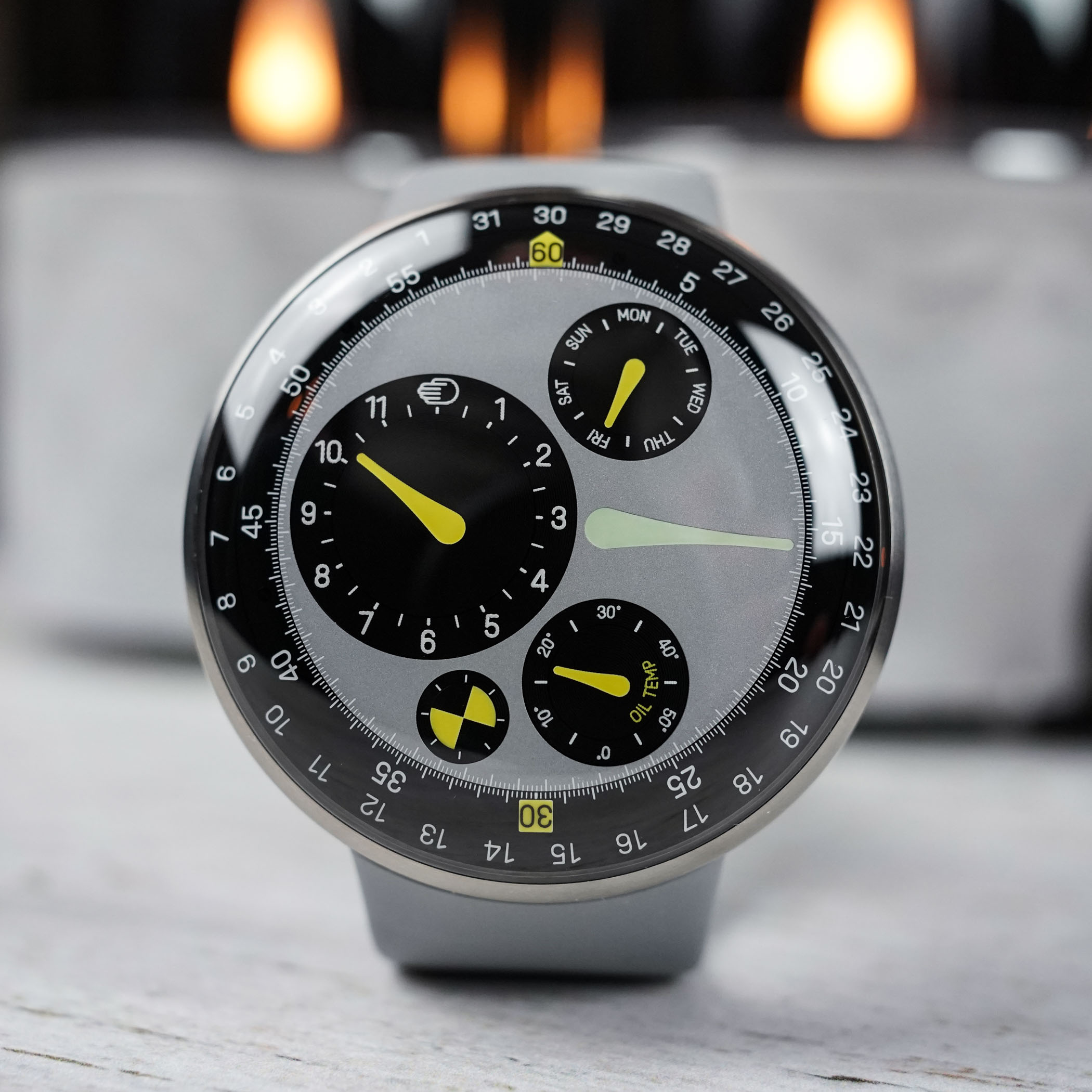
The Type 3 was the brand’s first oil-filled watch in 2013 (and the first mechanical oil-filled watch ever introduced), designed by industrial designer and Ressence founder Benoît Mintiens. It won the 2013 GPHG Horological Revelation prize, and recent models include the Type 3 BB2 with a blacked-out theme. The hands are separated by a regulator-type setup, and the BB2 includes the days of the week, a temperature gauge, and a pointer date at the outermost perimeter (along the curve of the crystal). The Type 5 adds a twist as it’s a dive watch with 100 metres of water resistance (the Type 3 only had 10 metres). The oil-filled dial really shines underwater with enhanced contrast and zero reflections (an issue with many conventional divers), and a unidirectional rotating bezel transforms it into an exotic light diving tool (meeting the ISO 6425 standard). It’s important to note that the oil itself plays no role in the higher depth rating – it’s an enhanced case design, instead. In 2025, the Type 7 model added an integrated bracelet and GMT functionality via a 24-hour sub-dial to the oil-filled portfolio.
Sinn
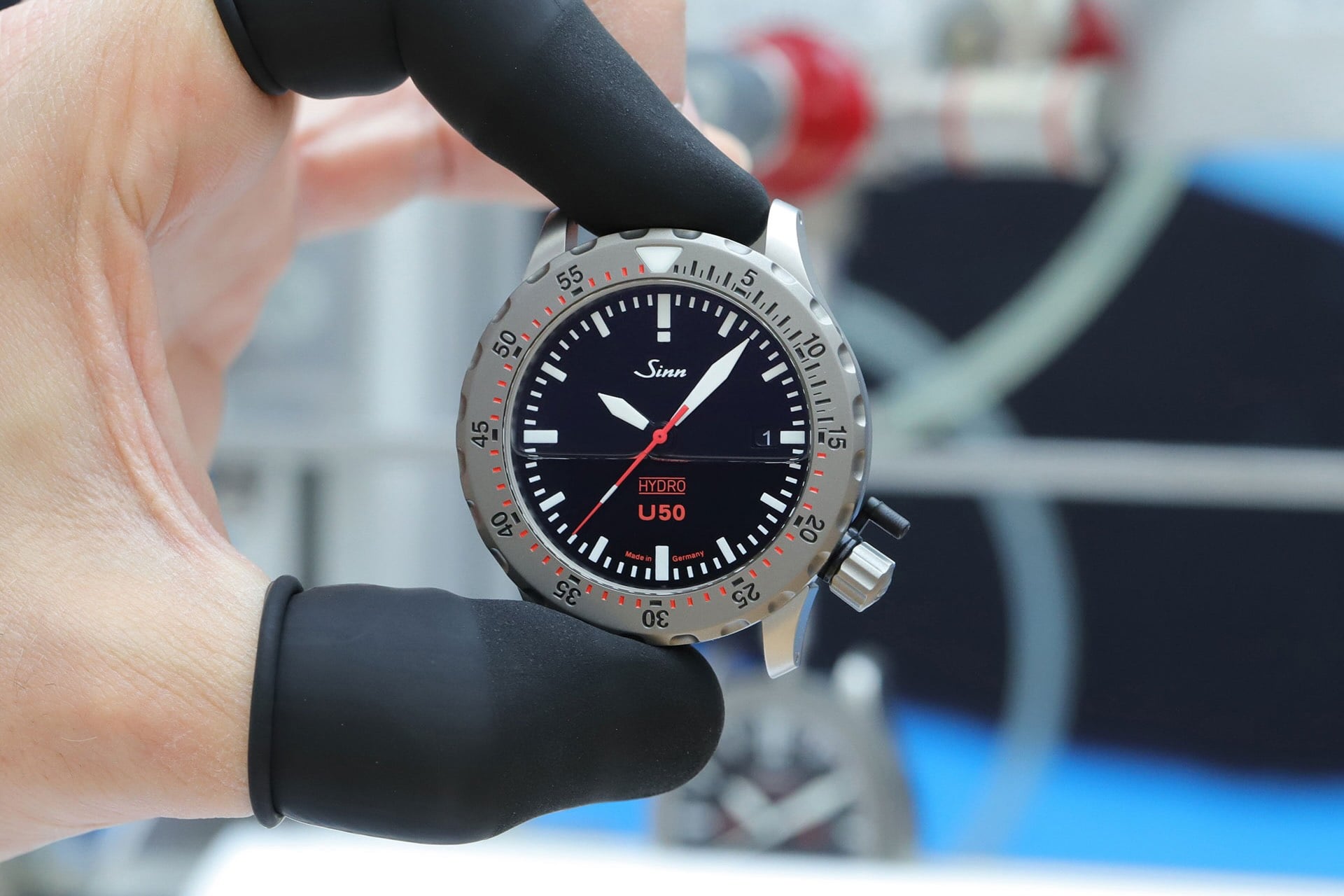
Sinn uses oil to increase water resistance with a development called HYDRO, which brings a 5,000-metre depth rating. Cases are actually rated for 11,000 metres, which is deeper than the deepest part of the ocean at the Mariana Trench, but the quartz movements themselves are only rated for 5,000 metres of pressure (although it’s believed that they can go much deeper). There isn’t an isolated battery compartment for easy changes, so Sinn batteries must be replaced at the watchmaker’s Frankfurt headquarters. The German brand is named after WWII pilot and founder Helmut Sinn and launched in Frankfurt in 1961. It was acquired in 1994 by engineer Lothar Schmidt, who shifted focus to innovations like advanced temperature resistance and TEGIMENT Technology to increase steel’s scratch resistance. In 1996, the Model 403 HYDRO debuted and established the watchmaker as a leader in the oil-filled diver segment.
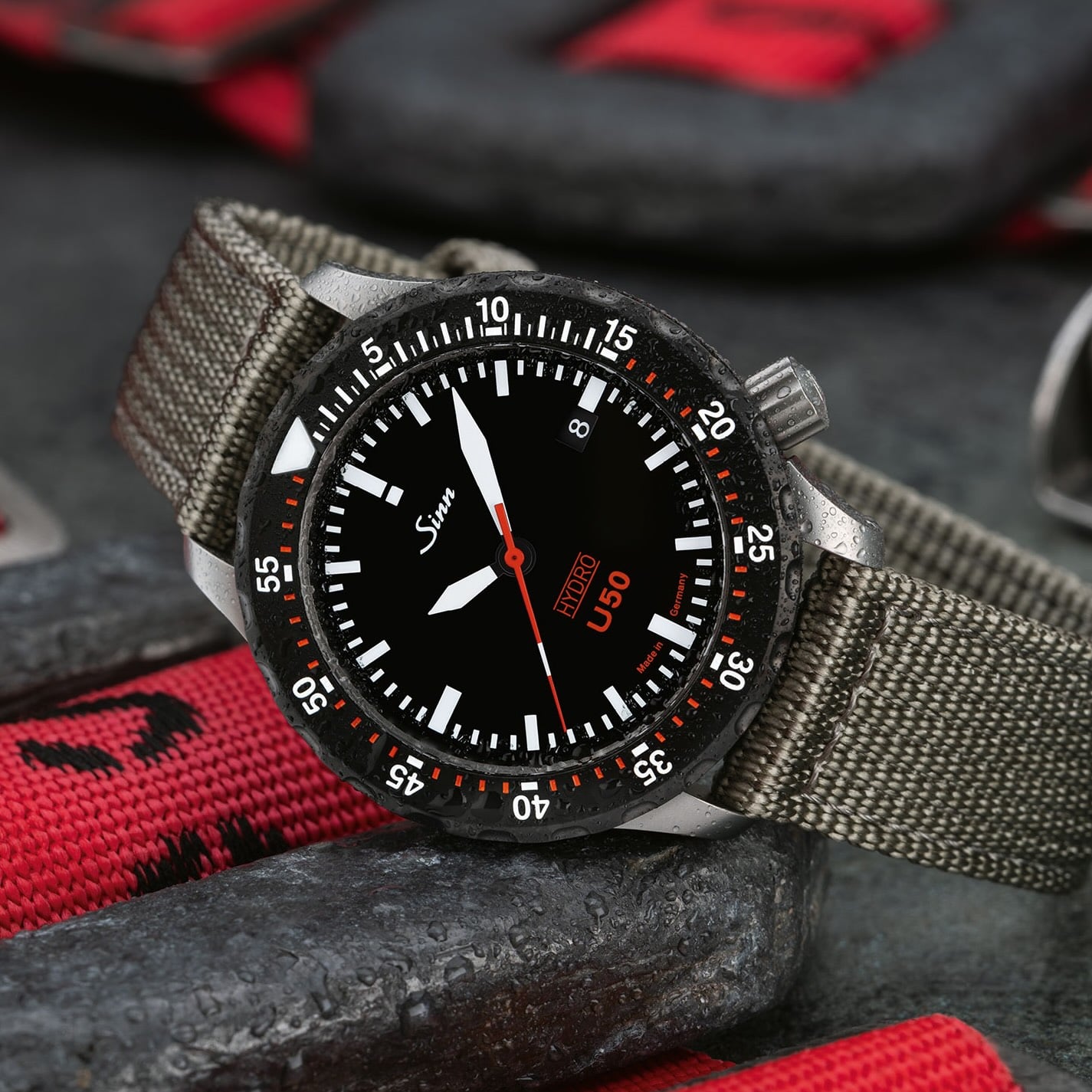
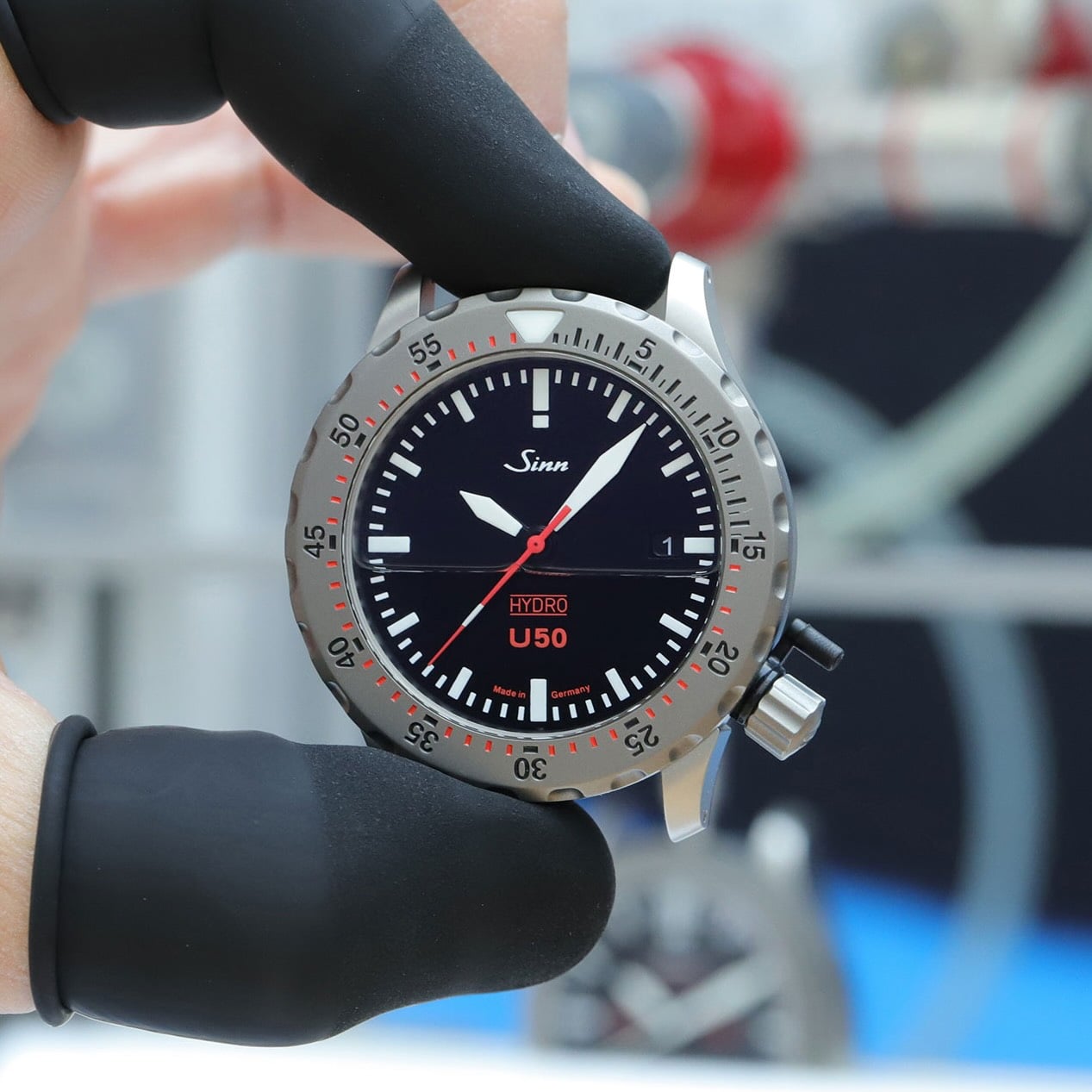
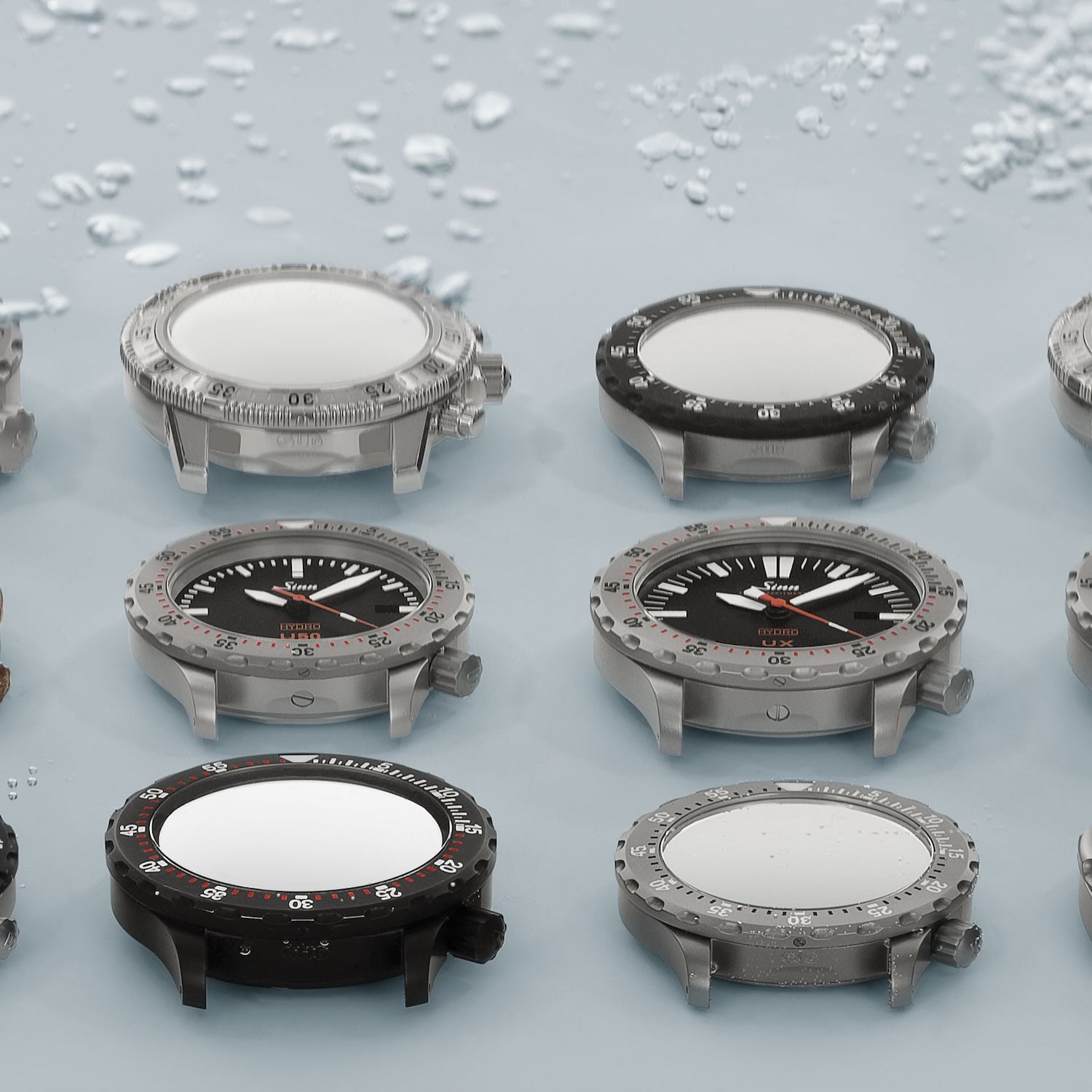
Today, HYDRO watches share all the benefits of oil-filled cases – zero underwater reflections, natural anti-fogging due to the absence of air and massive water resistance. They can also reliably operate in temperatures ranging from -20 to +60 degrees Celsius. The rotating bezels use TEGIMENT technology for increased durability, and the ETA quartz movements are powered by long-lasting lithium batteries. Of course, you don’t need an oil-filled case to reach the deepest parts of the ocean, as proven by the Rolex Deepsea Challenge and Omega Seamaster Planet Ocean Ultra Deep Professional, but the added legibility and cool factor of oil definitely add appeal. However, the downside is the limitation of movements to quartz.
Bell & Ross
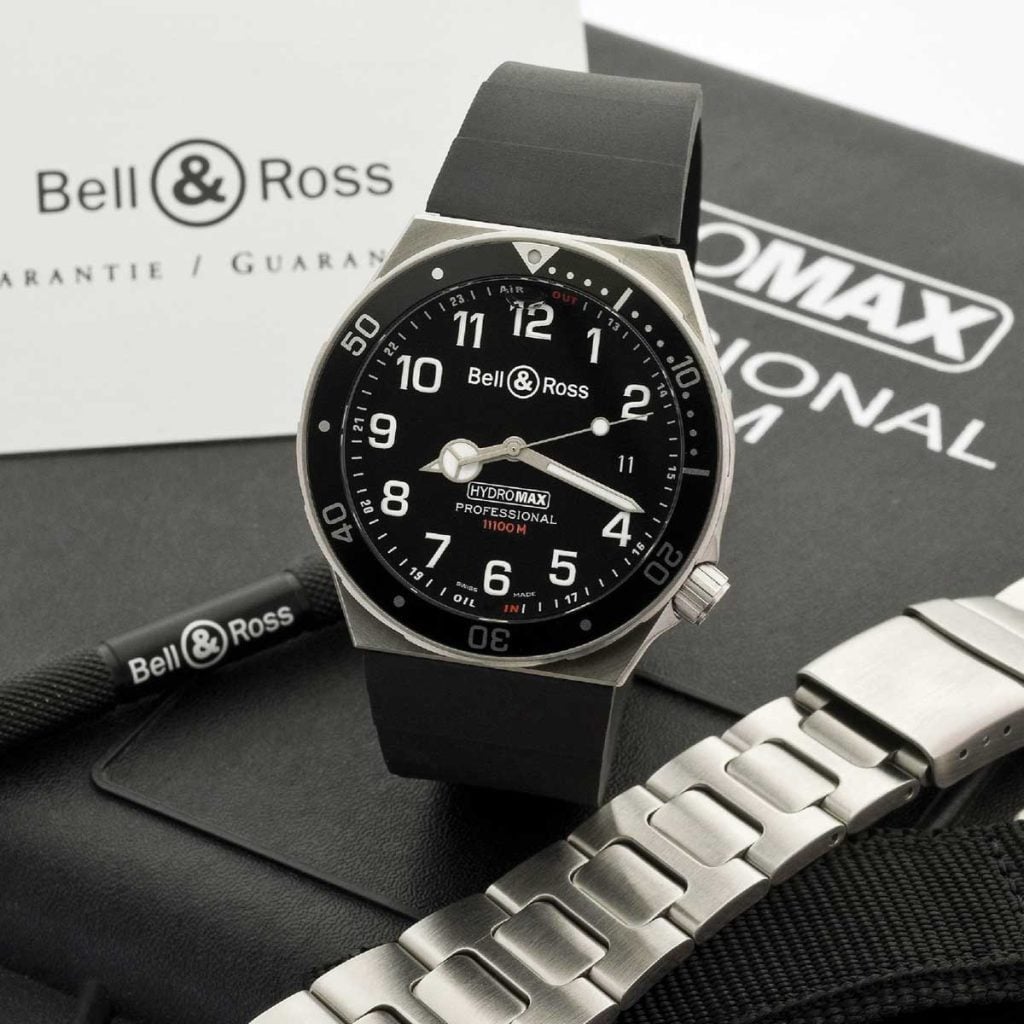
Founded in 1992, Bell & Ross partnered with Sinn for the first decade of development and production, and early models were even labelled “Bell & Ross by Sinn”. So, it makes sense that the watchmaker’s oil-filled watch from 1997 was called the Hydro Challenger (later named Hydromax) as it borrowed the HYDRO technology. The watch earned a Guinness World Record for being the deepest dive watch at the time, with a depth rating of 11,100 metres (it’s unclear if the ETA quartz movement could truly function at that depth, as it was essentially a variant of Sinn’s Model 403 HYDRO). By 2002, the watchmaker separated itself from Sinn after investments from Chanel, allowing it to operate as an independent brand in La Chaux-de-Fonds, Switzerland. Around this time, the Hydromax was discontinued as the brand shifted directions, launching the iconic BR-01 in 2005, which established its identity moving forward.
U-BOAT
With a name like U-BOAT, you would think watches are designed for underwater adventures. The U-BOAT Darkmoon and U-65 (Capsoil) models, however, have water resistance ratings of only 50 or 100 metres – adequate for light swimming, but not serious diving. That said, this “oil” line is more about form than function, but the oil does serve a purpose.
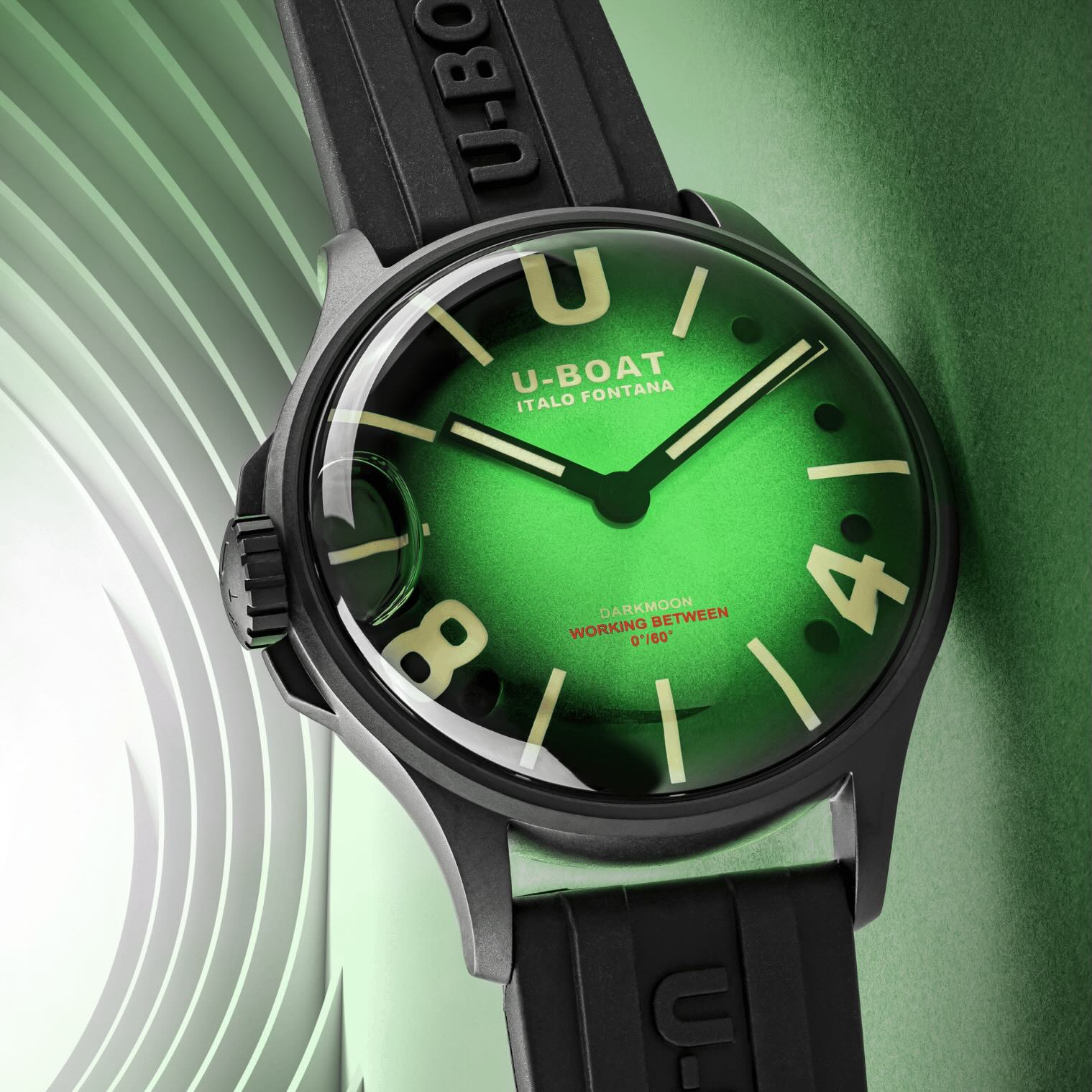
U-BOAT’s Capsoil debuted in 2018, introducing an oil-filled case with a proprietary low-viscosity variant (likely similar to 3M Fluorinert) and a design inspired by vintage submarine compasses. To compensate for temperature fluctuations that can expand the oil, a visible air bubble floats around (again like a compass), so the case could double as a spirit level of sorts. The oil isn’t just a novelty, as it enhances dial visibility by adding contrast and virtually eliminating reflections. The current collections within the Capsoil line are Darkmoon and U-65, which feature high-domed sapphire crystals and vivid gradient (Darkmoon) or skeletonised (U-65) dials. Case sizes are on the larger side at 44mm for U-65 and 46.5mm for Darkmoon, although there are now smaller Darkmoon variants with 44.8mm and 40mm cases.
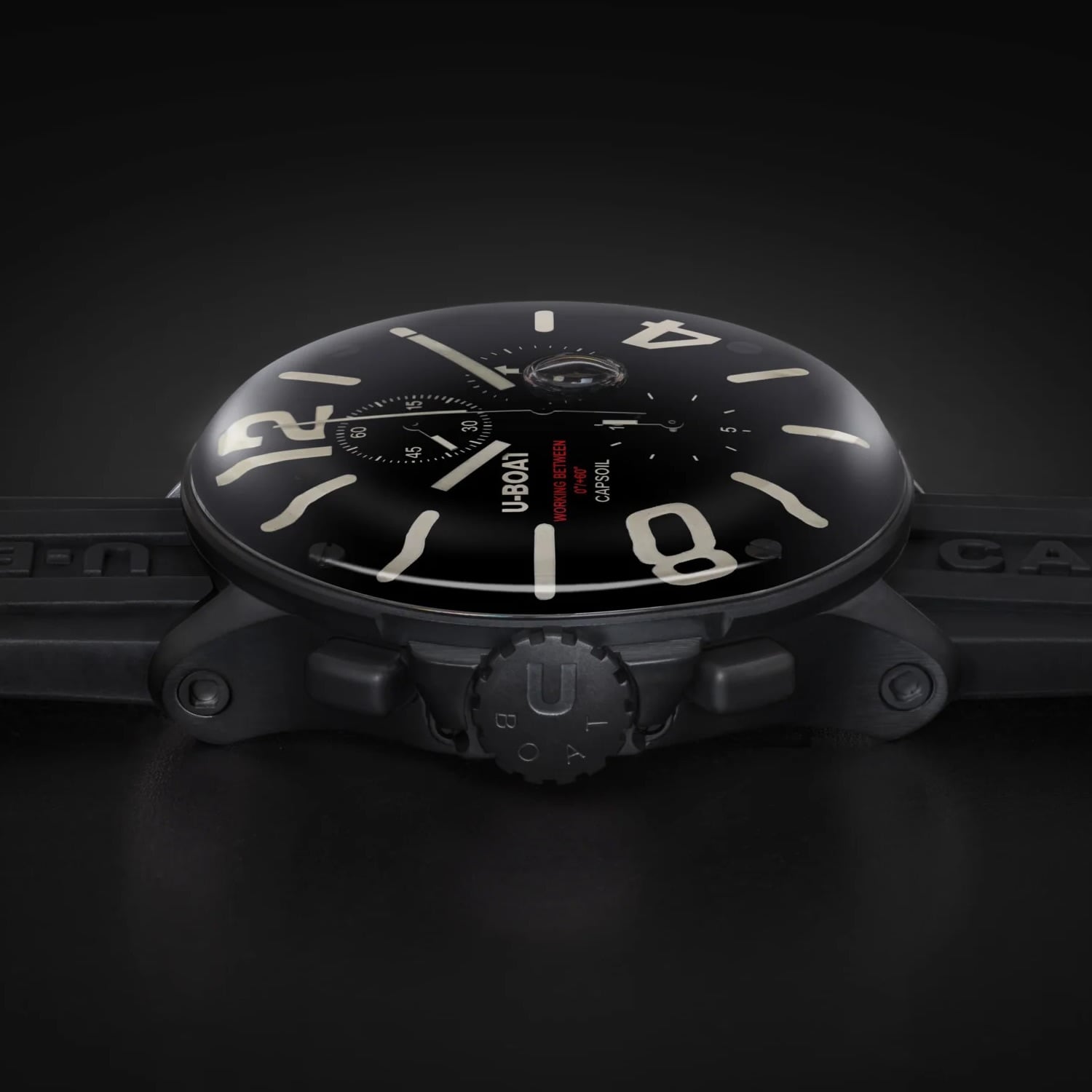
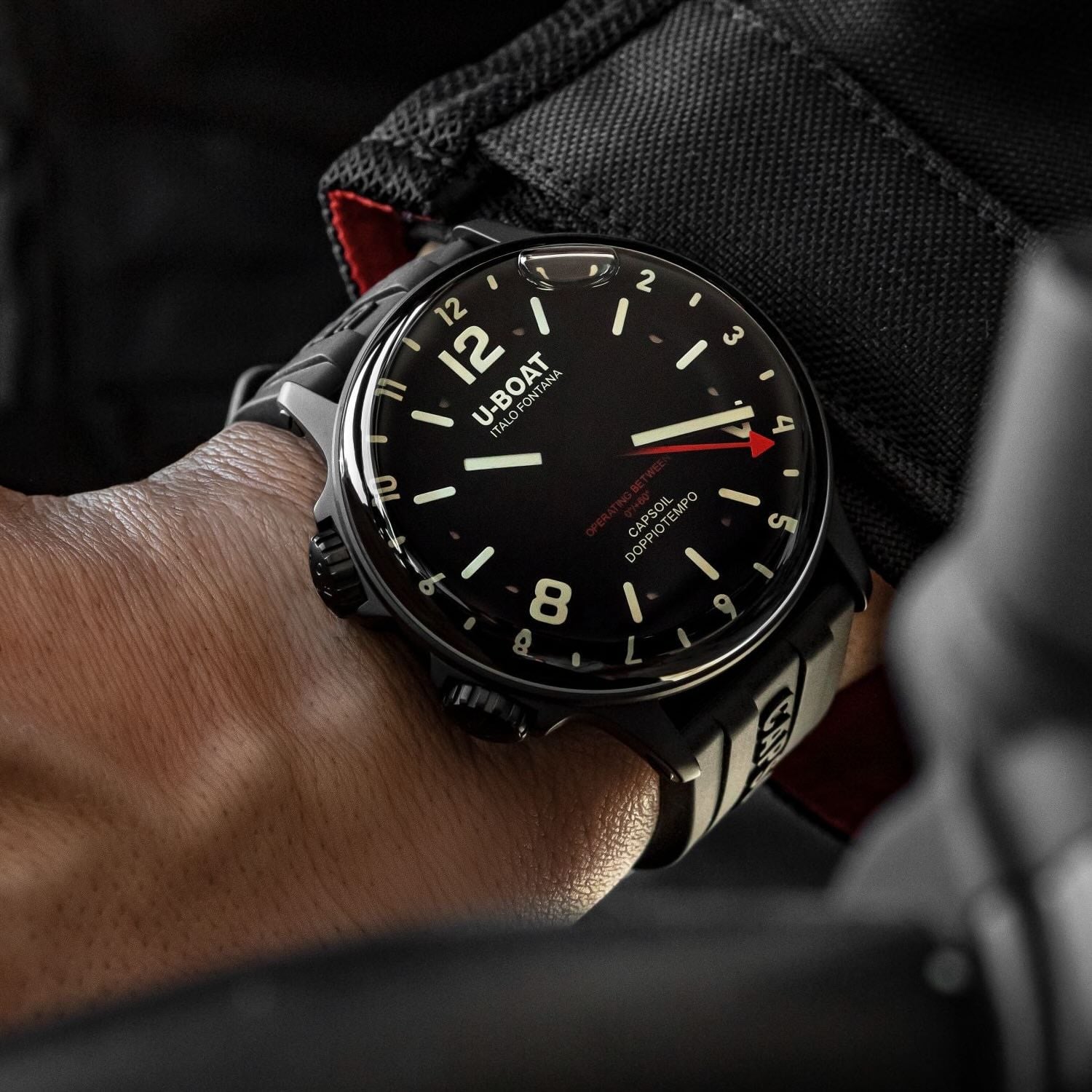
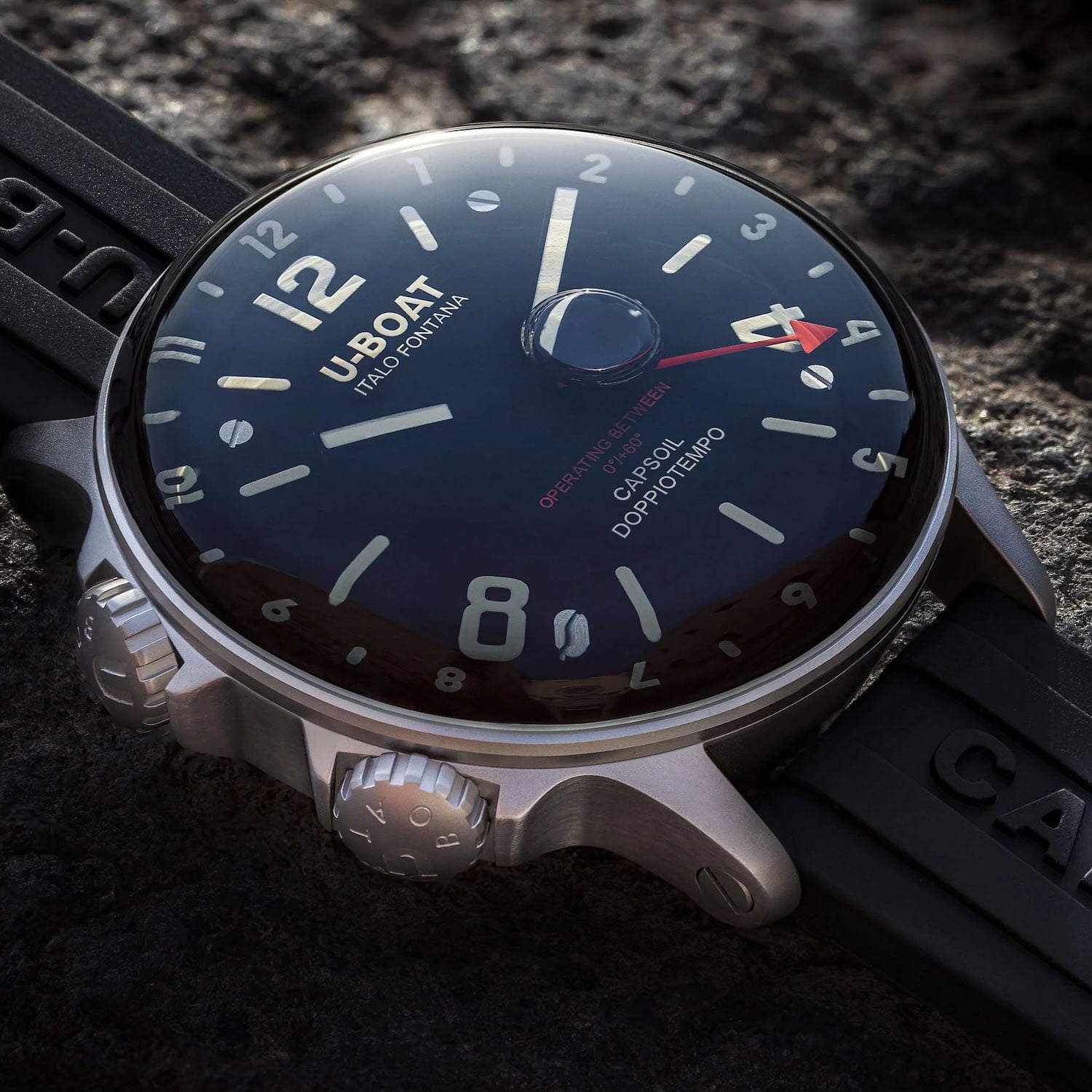
All U-BOAT oil-filled models use Rhonda quartz movements (762 or 756) because the oil in the case is too thick for a mechanical counterpart to function properly. The case backs feature a Locking Ring System that allows for quick and easy battery replacements (like a quartz Swatch). It seals the case back in a way that provides an independent chamber for the screw-down battery door, as oil would otherwise leak out.
Kienzle
German brand Kienzle had a very specialised dive watch called The Deepest, which used an oil-filled titanium case to increase the depth rating to 9,000 metres. The watchmaker is one of Germany’s oldest, founded in 1822 by Black Forest clock maker Johannes Schlenker (although Kienzle was later named after Jakob Kienzle in the late 19th century, after he took ownership). Following Rolex’s robust Oyster case in 1926, Kienzle introduced the Strapazier in 1931, which was water and magnetic-resistant, and it found huge success with 25 million produced. Kienzle also dominated the luxury car clock market in the early and mid-20th century, supplying Mercedes, Bentley, Rolls-Royce, BMW and more. In the 1990s, The Deepest debuted with silicone oil-filled cases (also known as the Hyperbar) and was certified by the Swiss Association for Technical Inspections. This significant innovation wasn’t enough to save the brand from bankruptcy in 1996. It was acquired multiple times and moved its headquarters to Hamburg in 2002, but its big revival came in 2024, when it became KIENZLE 1822 GmbH and an Italian division, Kienzle Italia, has also been operating separately for many years.
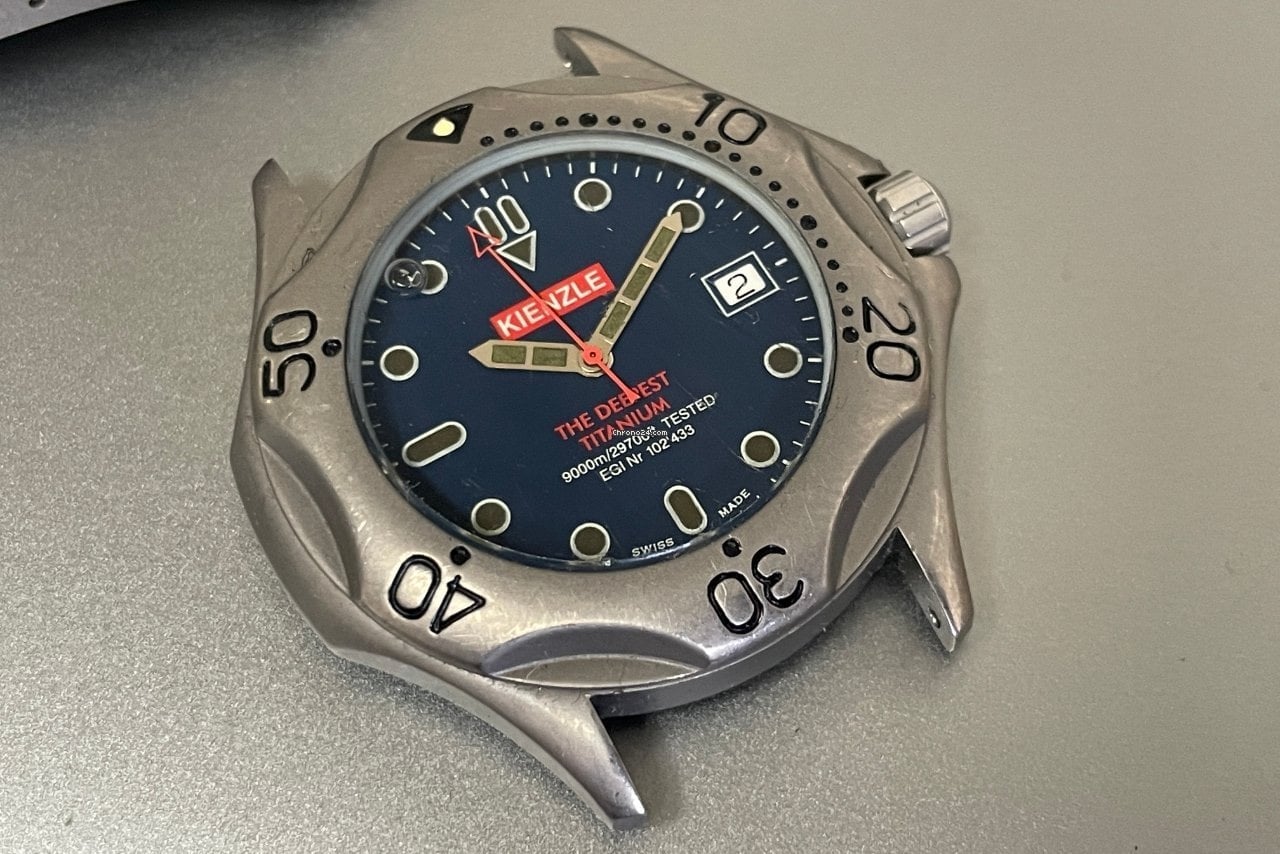
Unlike air, oil can’t be compressed, so an oil-filled case will equalise the internal pressure with the outside water pressure, basically turning it into a solid block. The crystal and case are therefore stabilised and can’t implode at extreme depths. This is a different concept from the oil-filled U-BOAT models that use oil for aesthetics with an air bubble to allow for temperature expansion. Without that bubble, how did Kienzle stop the case from rupturing due to oil expansion, which can be as much as 10% with temperature changes? The solution is an internal, flexible case back membrane that can move just a bit back and forth to accommodate the oil expansion – a kind of case back diaphragm. Unfortunately, these oil-filled divers are no longer produced by Kienzle, but the 1990s models demonstrated real innovation and the advantages of oil-filled cases for deep sea diving (although it’s well beyond the depths of even a saturation diver).
Is Oil Worth It?
Filling a watch with oil, whether fully or partially, adds a unique, cool factor along with legitimate functionality. Whether or not it’s worth it depends on a few factors. The concept makes the most sense from an aesthetic point of view, seemingly bringing the dial elements within the crystal like a high-res OLED screen, while simultaneously eliminating reflections (especially underwater). U-BOAT makes this easiest with its Locking Ring System that allows for user battery changes, while Sinn’s HYDRO divers need to be sent to the watchmaker – just for a battery change. You also can’t get a mechanical movement with a completely oil-filled watch, so you’re stuck with quartz. Only Ressence solves this with a 50% oil/air design, but that eliminates the water-resistance advantage (remember that oil plays no part in the Type 5’s depth rating). This design also requires a fancy magnetic transmission between the movement and dial, contributing to the much higher price.
Oil brings dial elements to the surface and eliminates reflections, which is a genuine benefit, and it just looks amazing. For most people, however, a sapphire crystal with anti-reflective coatings coupled with a highly legible dial is more than adequate. At the end of the day, buy an oil-filled watch for the cool factor and enhanced dial aesthetic, and if you’re happy with a quartz movement, the Sinn HYDRO models will combine that visual appeal with an extreme depth rating. They use lithium batteries, so changes will be less frequent, which I suppose takes the sting out of having to ship it to Germany. For the unique experience and functionality that Sinn offers, I say it’s worth that minor hassle.