


 Not all images were able to load for printing. Please close the print window and try again.
 Konstantin Chaykin on Making the World’s Thinnest Mechanical Watch, and the new ThinKing Mystery
Chaykin explains the challenges behind making a 1.65mm watch, and the latest iteration with a mysterious display.
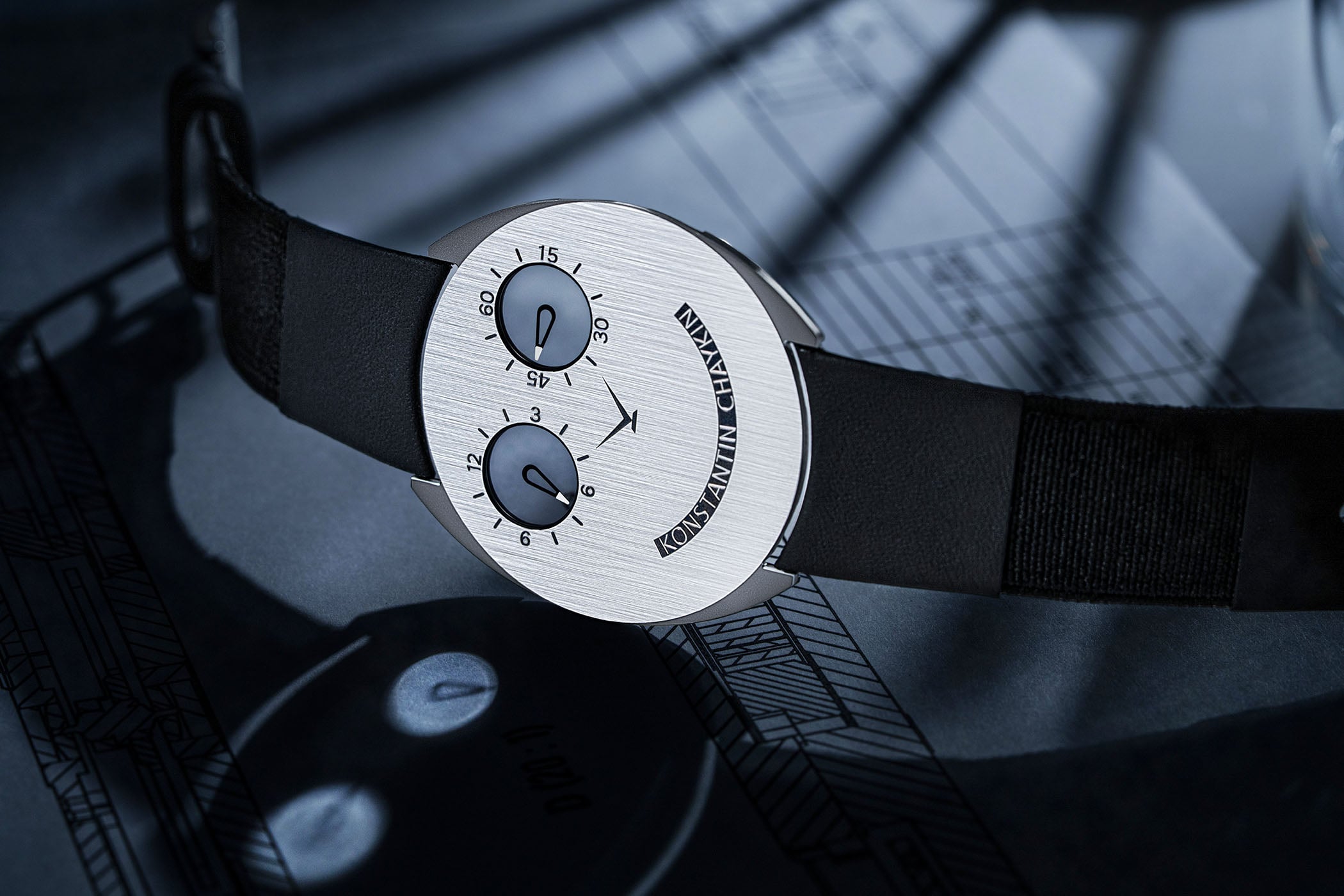
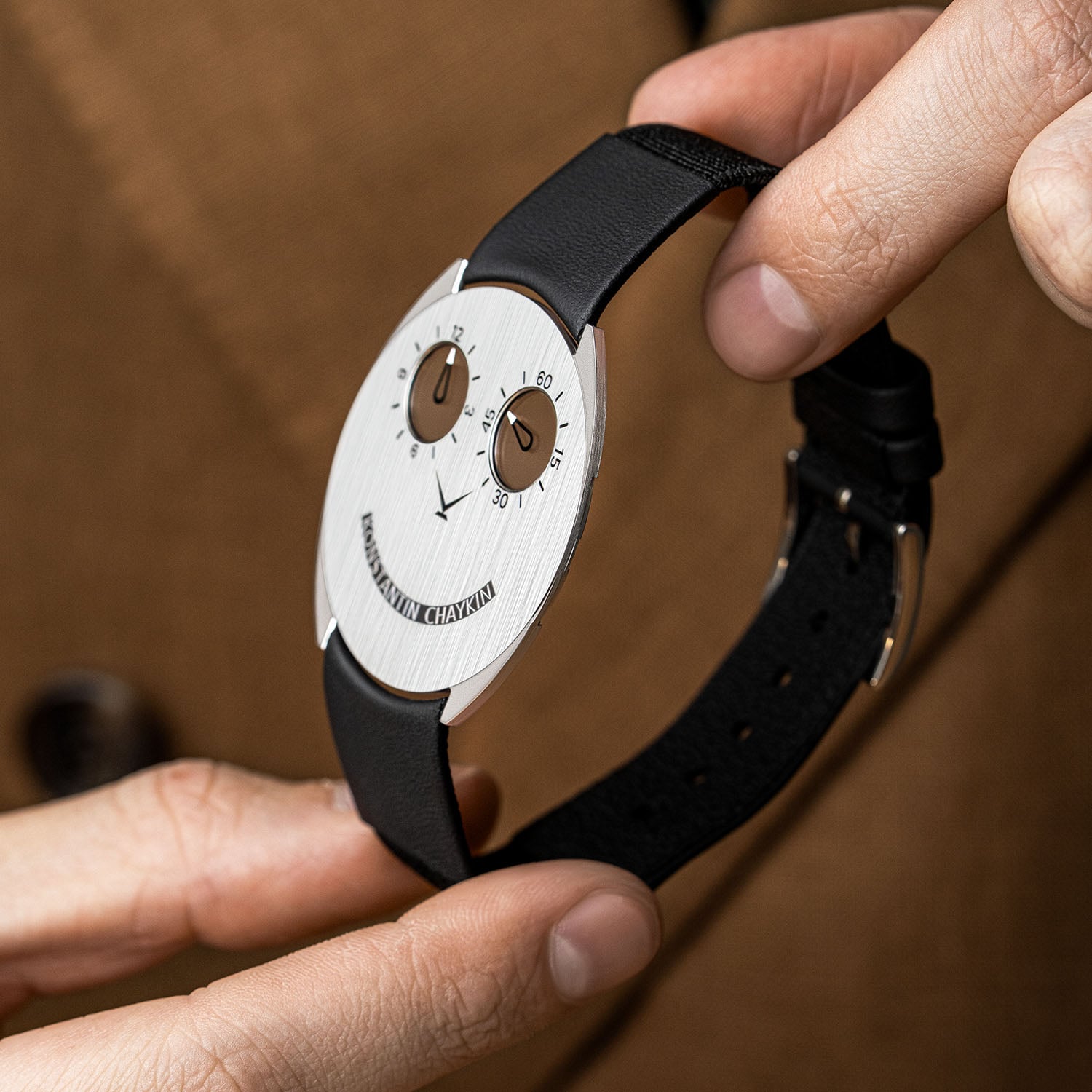
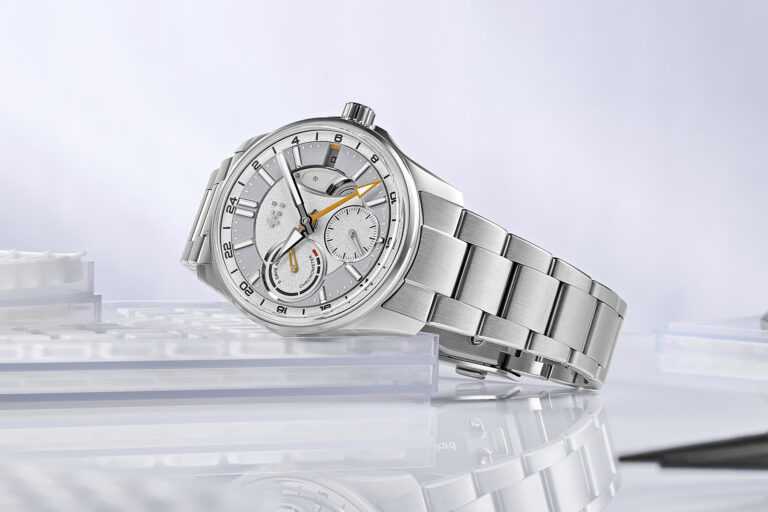
In 2024, indie watchmaker Konstantin Chaykin unveiled the ThinKing watch as a bold attempt to set a world record: an exceptionally thin mechanical wristwatch measuring just 1.65mm. Holding this watch in your hand is simply incredible – the extreme slenderness is astonishing, and the technical achievement behind it is truly impressive. Since then, he has focused on transforming this groundbreaking achievement into a reproducible technology. Building on this framework, Chaykin has added a new dimension by revisiting the mystery concept that inspired his very first wristwatch back in 2007. The result is the record-thin ThinKing Mystery, released as a limited edition of 12 pieces. The release of this latest chapter in the ThinKing evolution allowed us to interview the independent watchmaker and explore the vision, challenges, and innovations behind this remarkable creation.
Xavier Markl, MONOCHROME – In a world where Piaget, Bulgari, and Richard Mille were already chasing microns, what was the specific “lightbulb moment” that convinced you that you could – and should – surpass them?
Konstantin Chaykin – I have told this story many times before. I showed a client the Stargazer supercomplication watch – or, more accurately, the project, as it was still in development at that time. However, the client believed that making an ultra-thin watch was more challenging than creating a super-complicated one. While working on the Stargazer, I was acutely aware that developing and producing a super-complicated wristwatch involves solving a wide range of problems. Among the principal challenges are limited energy resources and optimising the space inside the watch case occupied by various complications. The latter issue resonated with the technical challenge that inevitably arises when working on thin watches. I liked the idea of offering my own approach to such a challenge, from the perspective of an inventor, engineer, and designer. I found the time — though it was not easy — to immerse myself in researching the history of thin watches, the related technical developments, and how certain watchmakers and brands have achieved outstanding results over nearly two centuries, beginning with Abraham-Louis Breguet. As always, ideas and technical solutions to overcome various difficulties and problems began to occur to me. Once I realised it was possible and had a clear range of potential solutions, I got to work.
You often speak about watchmaking as art. Did you view the THINKING as a mathematical challenge to be solved, or as an aesthetic necessity to prove that ultra-thin could still be “Chaykin”?
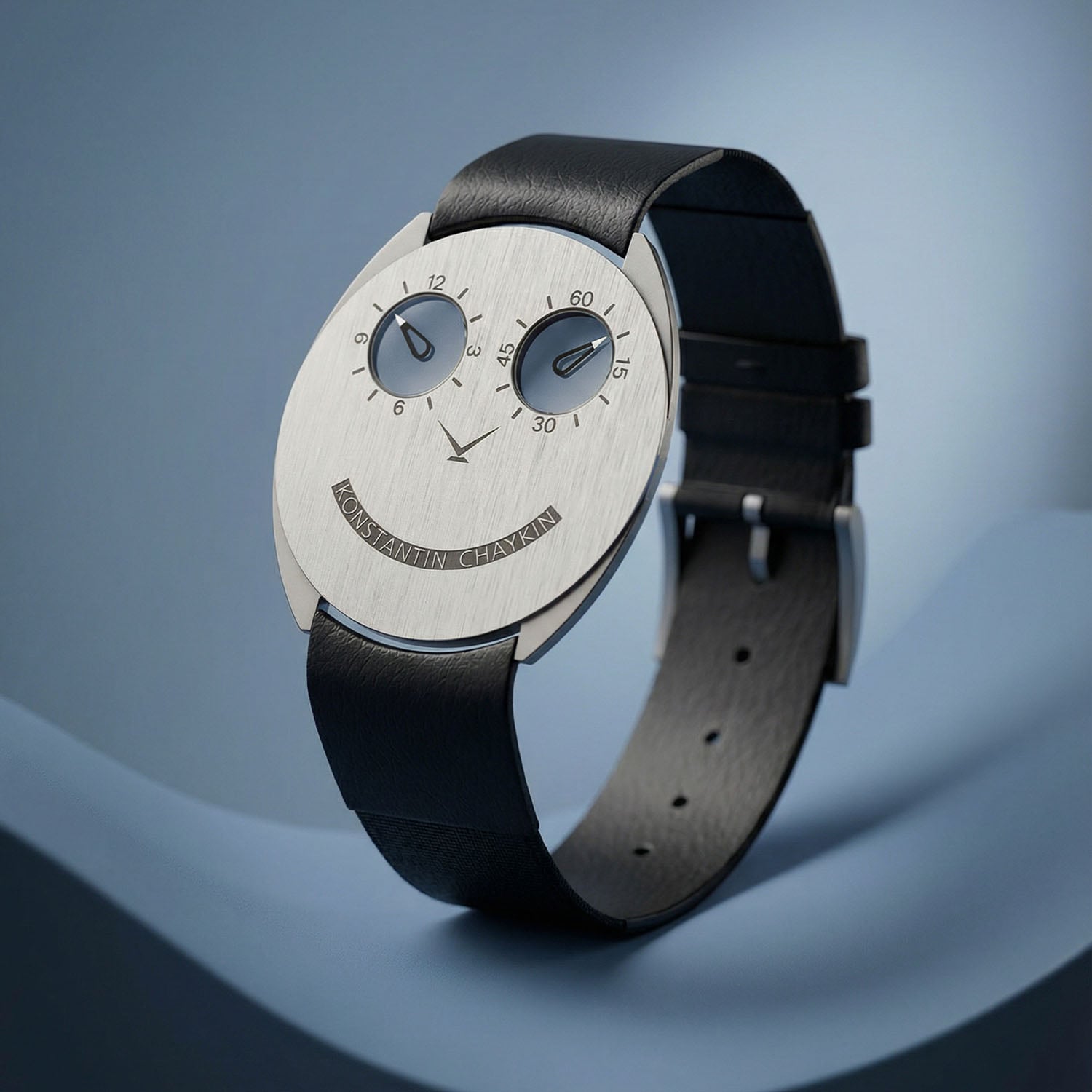
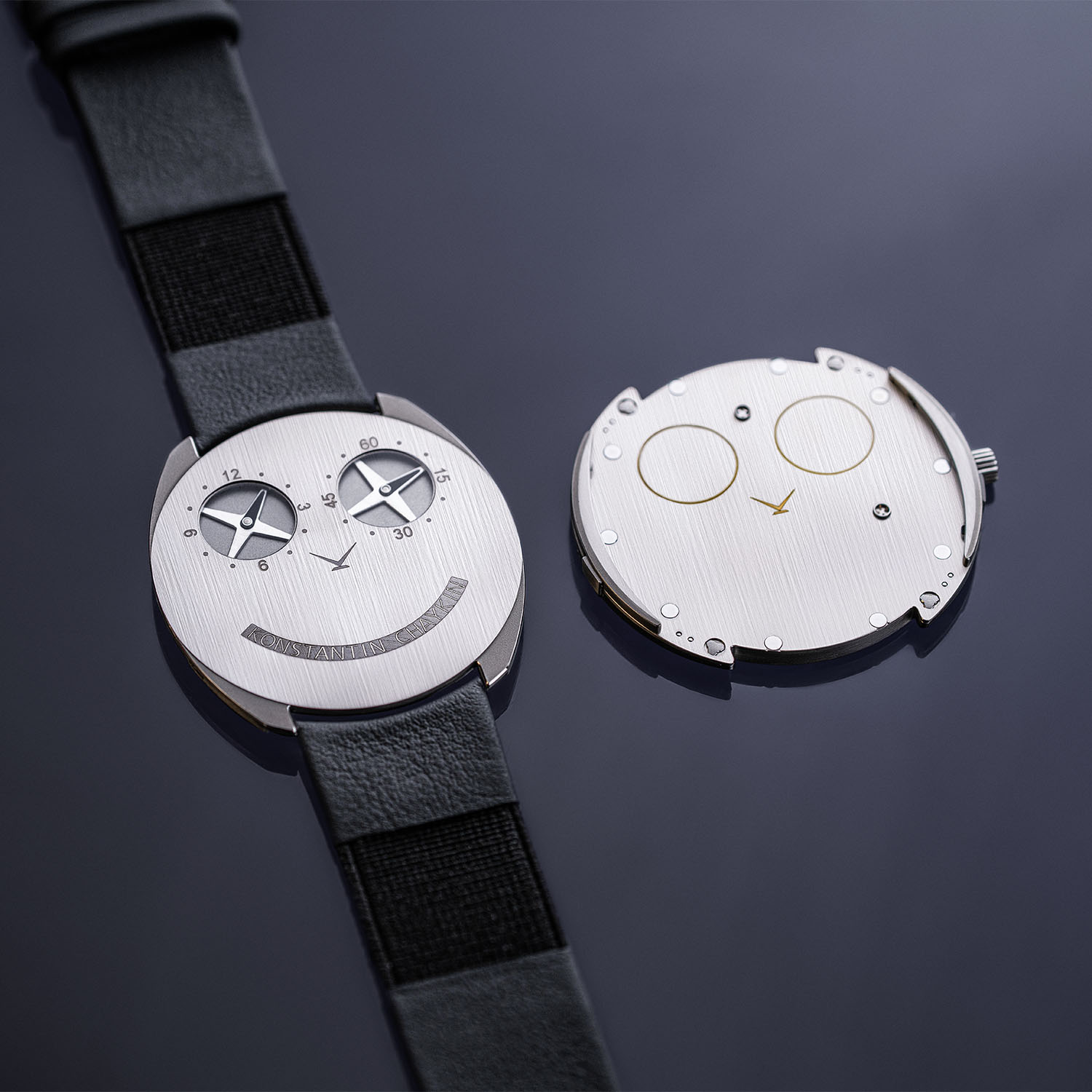
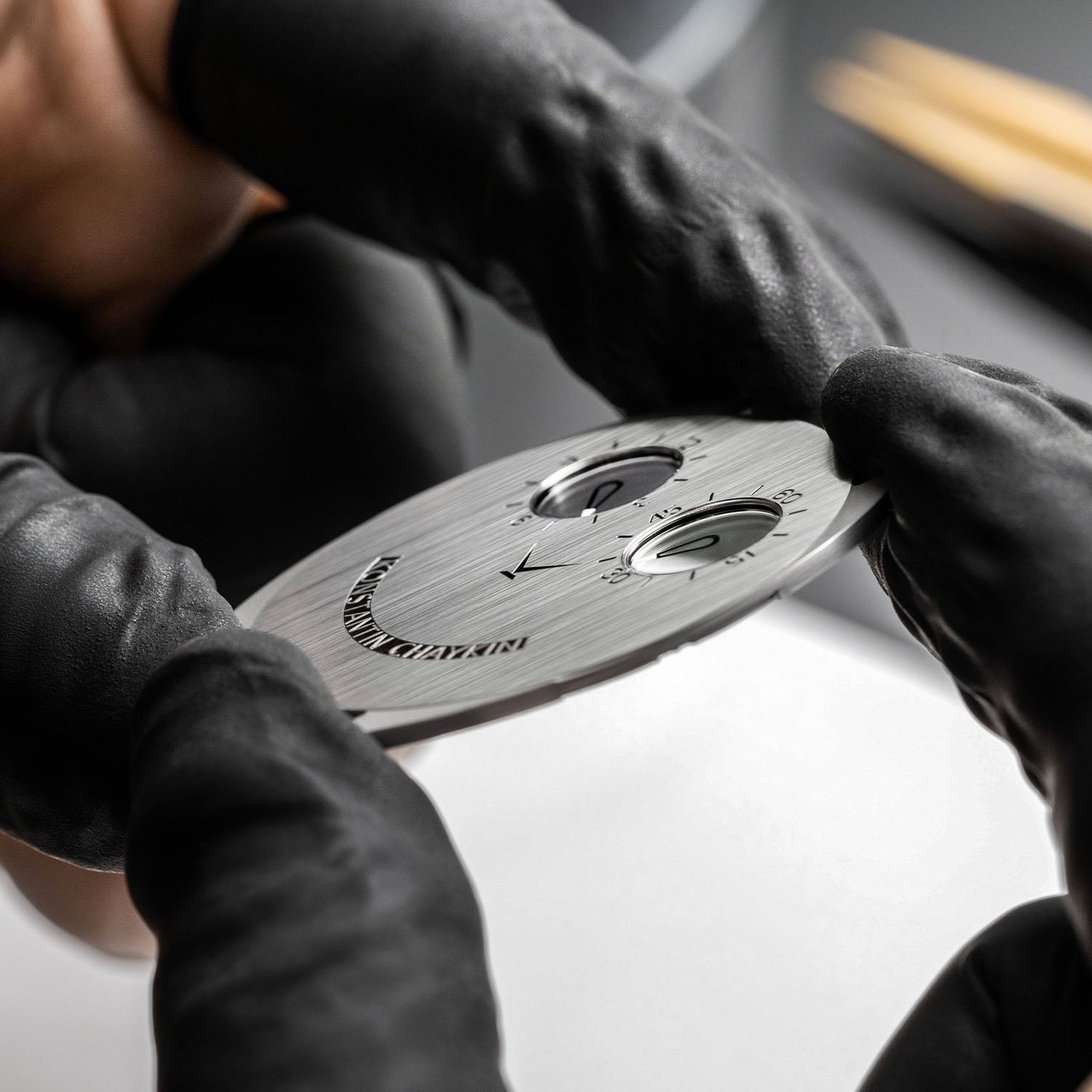
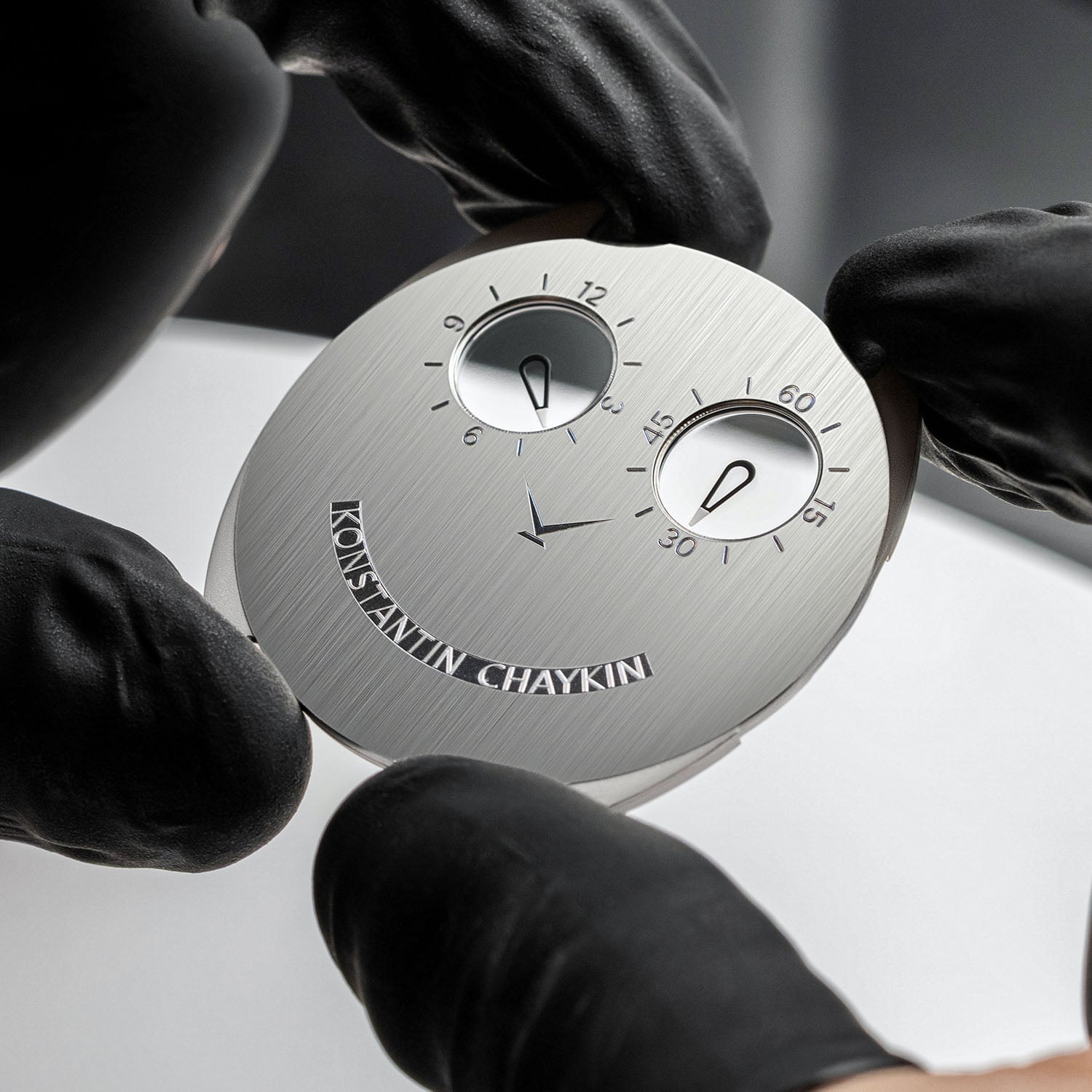
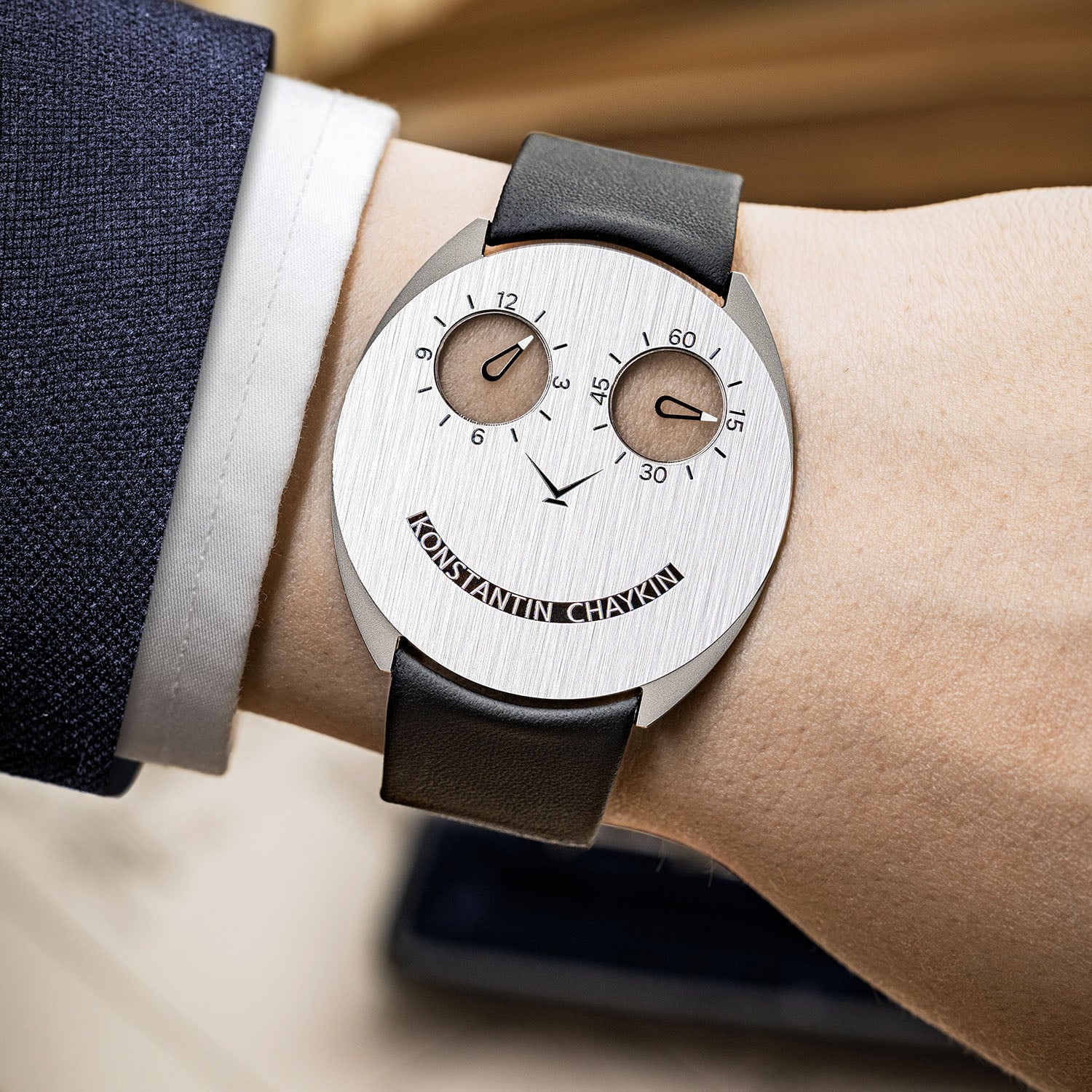
When you mention the “Chaykin” aesthetic, you are likely referring to an anthropomorphic design on the dial. When I began working on ultra-thin watches, my initial research showed that a regulator-type dial design was the clear choice for reducing a watch’s thickness. It turned out that the anthropomorphic, or wristmon, design was ideally suited to ultra-thin watch technology. There is no secret to this. In a wristmon, the hour and minute hands or discs are spaced apart rather than positioned one above the other, as in a conventional watch, where the standard technical solution inevitably increases the thickness. In a wristmon, the hour and minute indicators do not even overlap, which usually happens in a conventional watch with a regulator dial. In fact, these are not hands but wheels, or if you prefer, discs, and in the new ThinKing Mystery watch, the display system uses transparent sapphire discs. Thus, the wristmon design has proven to be the best technical solution from an engineering perspective. The fact that this decision aligns with the DNA of my brand is wonderful.
Such a thin creation involved a complete reengineering of what a mechanical wristwatch is. Most recent ultra-thin watches use the case back as the baseplate. How did your approach to “integrated architecture” differ from your predecessors?
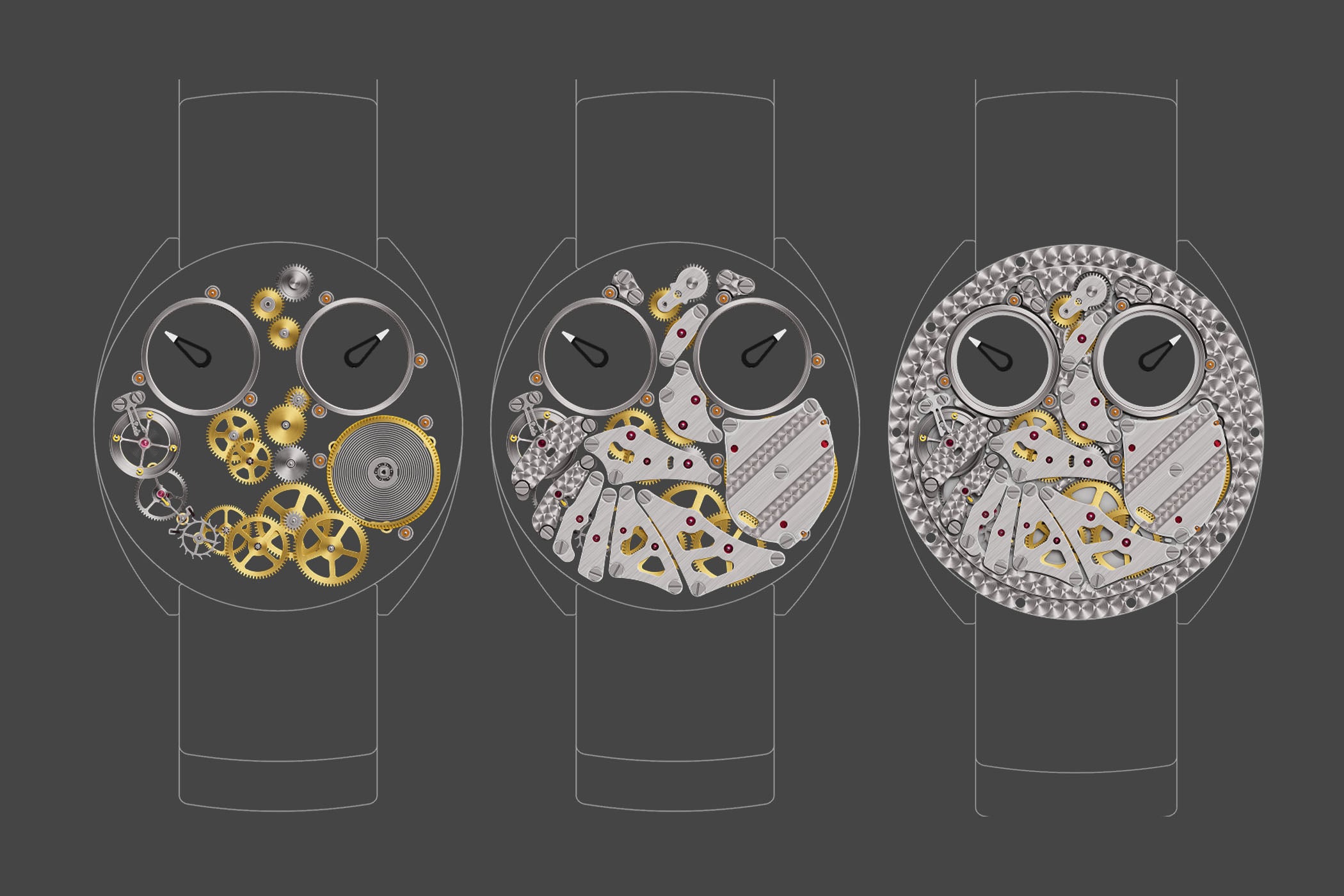
Taking a broader view, it would be incorrect to claim that this approach applies to most ultra-thin watches, particularly those developed before the 1970s. In my opinion, these earlier watches did not always make full use of all available technical possibilities. Most often, we encounter the traditional design: a separate case and movement, rather than an integrated architecture. The idea of using the caseback as the mainplate first appeared in the early 1980s, in movements developed by Swiss engineers André Beyner and Maurice Grimm. This demonstrates that thin watches have employed a variety of architectural approaches over time. However, the deep level of integration seen in the ThinKing — where all the lower ruby jewels are set directly into the mainplate, which also serves as the caseback, and to such an extent — was likely a first. In the technical development I undertook, such an architecture is essential to achieving minimal thickness.
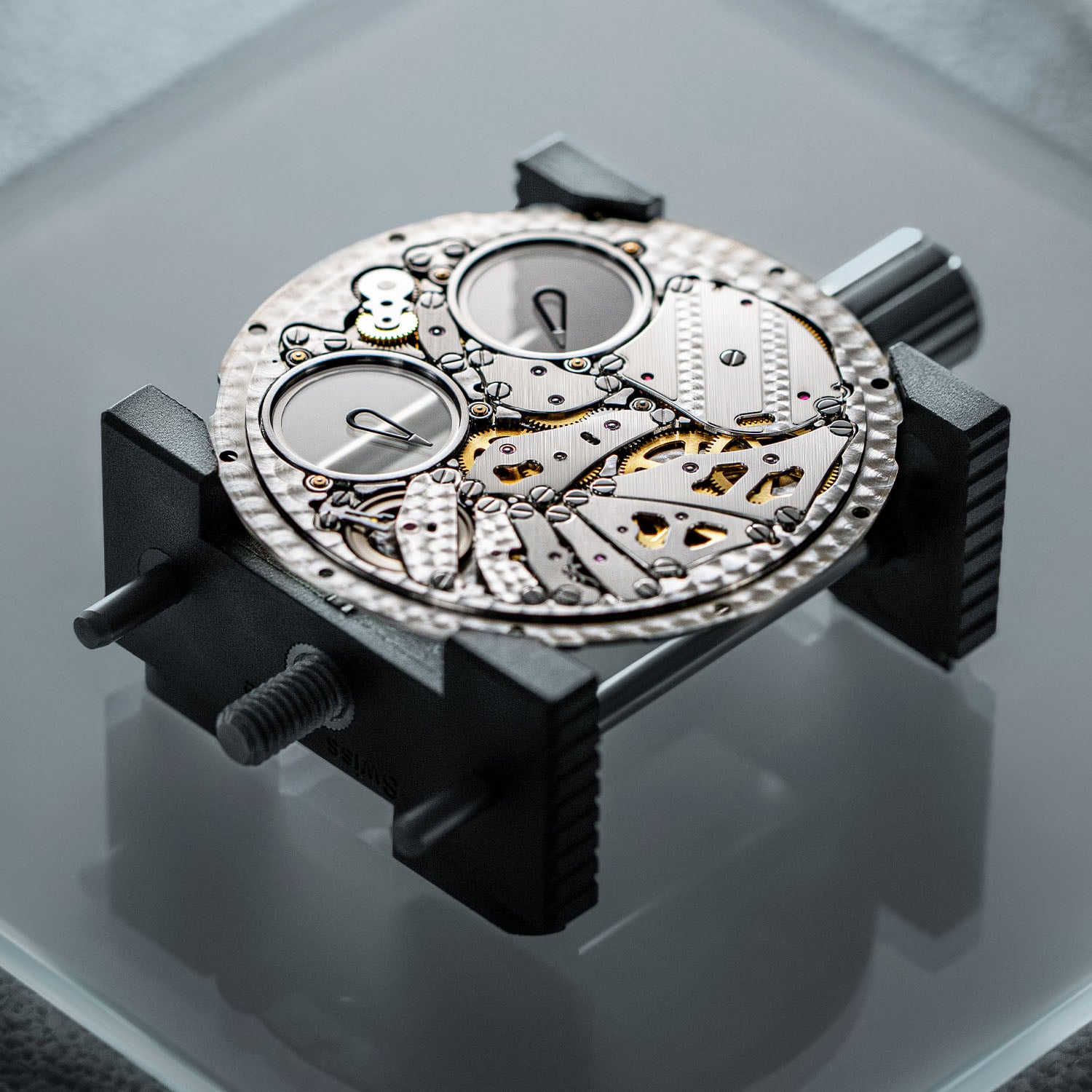
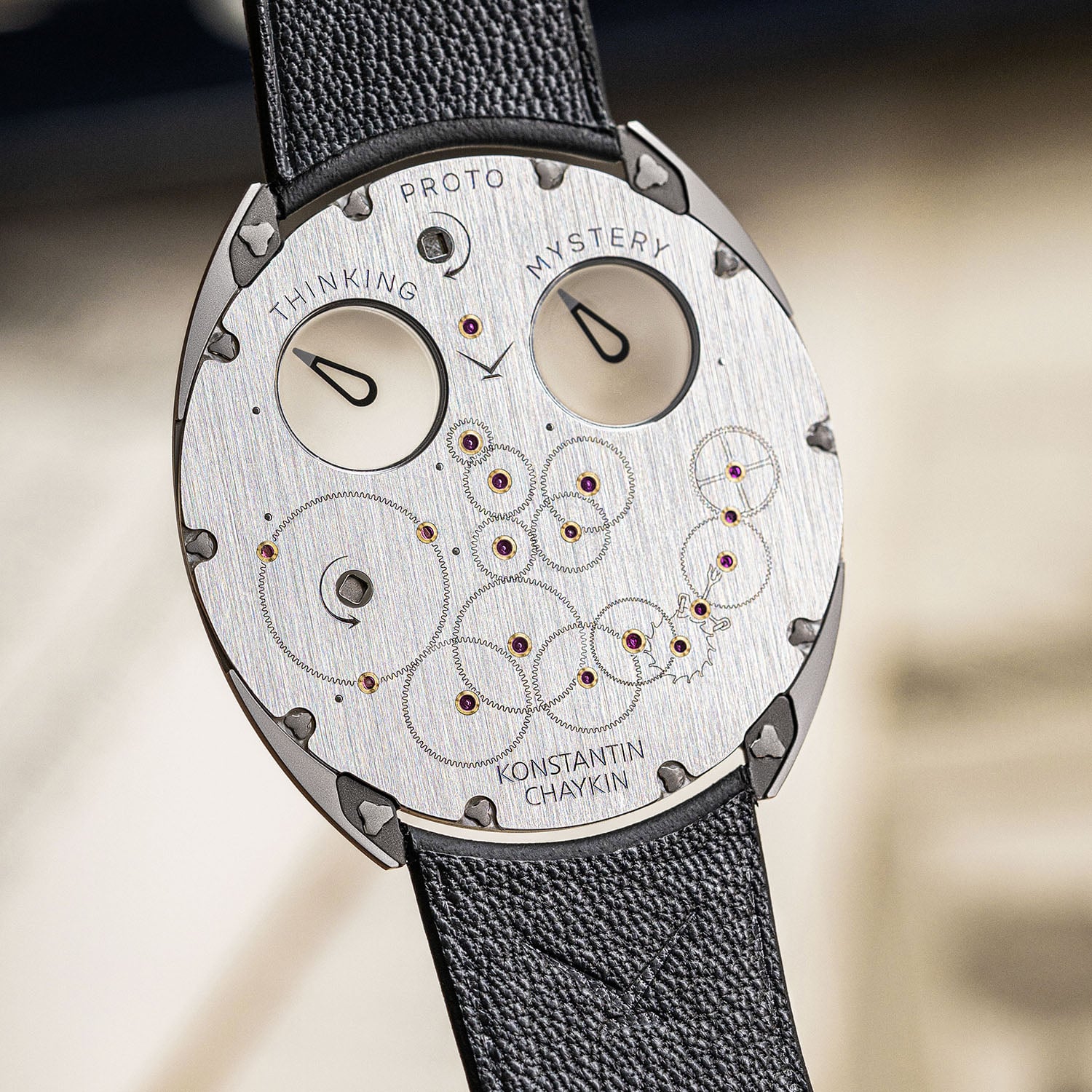
Despite the extreme constraints, you maintained the “wristmon” aesthetic. How difficult was it to balance the whimsical character of your brand with the cold, hard requirements of a record-breaking movement?
As said, one is a consequence of the other, which is why such a successful synergy resulted.
You designed a specific “carrier” case for this watch. Does this imply that the future of ultra-thin watchmaking is modular rather than standalone?
I do not agree that this interpretation fully reflects the technical essence of my development. For example, early thin pocket watches — until about 1850 — had neither a crown nor a remontoir mechanism. In these movements, winding and setting the hands were done with keys, and it was considered normal for the keys not to be an integral part of the watch. I invented the carrier case as an additional, fully mechanical tool that allows the watch mounted on it to be worn, or simply used as a separate tool for winding and setting the hands of an ultra-thin watch. The ThinKing is completely autonomous, like a normal mechanical watch — it can be wound with a key, just as in the past. Consider the ultra-thin Richard Mille RM UP-01 watch — it also has no crown and is wound with a special key, which is also used to set the hands. This is one solution, but I do not think it is the only one. I have ideas for implementing winding and hand-setting in ultra-thin watches in various ways, including schemes with integrated remontoir mechanisms. Therefore, my design, as implemented in the ThinKing, is just one possible option. Aesthetics are key for me, as it is impossible to remove anything from the ThinKing design, and there is no urge to add anything. In particular, I appreciate the ThinKing’s lack of protrusions. Therefore, to maintain an extremely minimalist design, I considered it sensible to have a separate key and an additional dedicated tool for winding and setting the hands. The owner of the watch will decide what is more convenient for him to use.
What have been the main challenges for materialising your concept and prototype into serial production with this 12-piece limited edition?
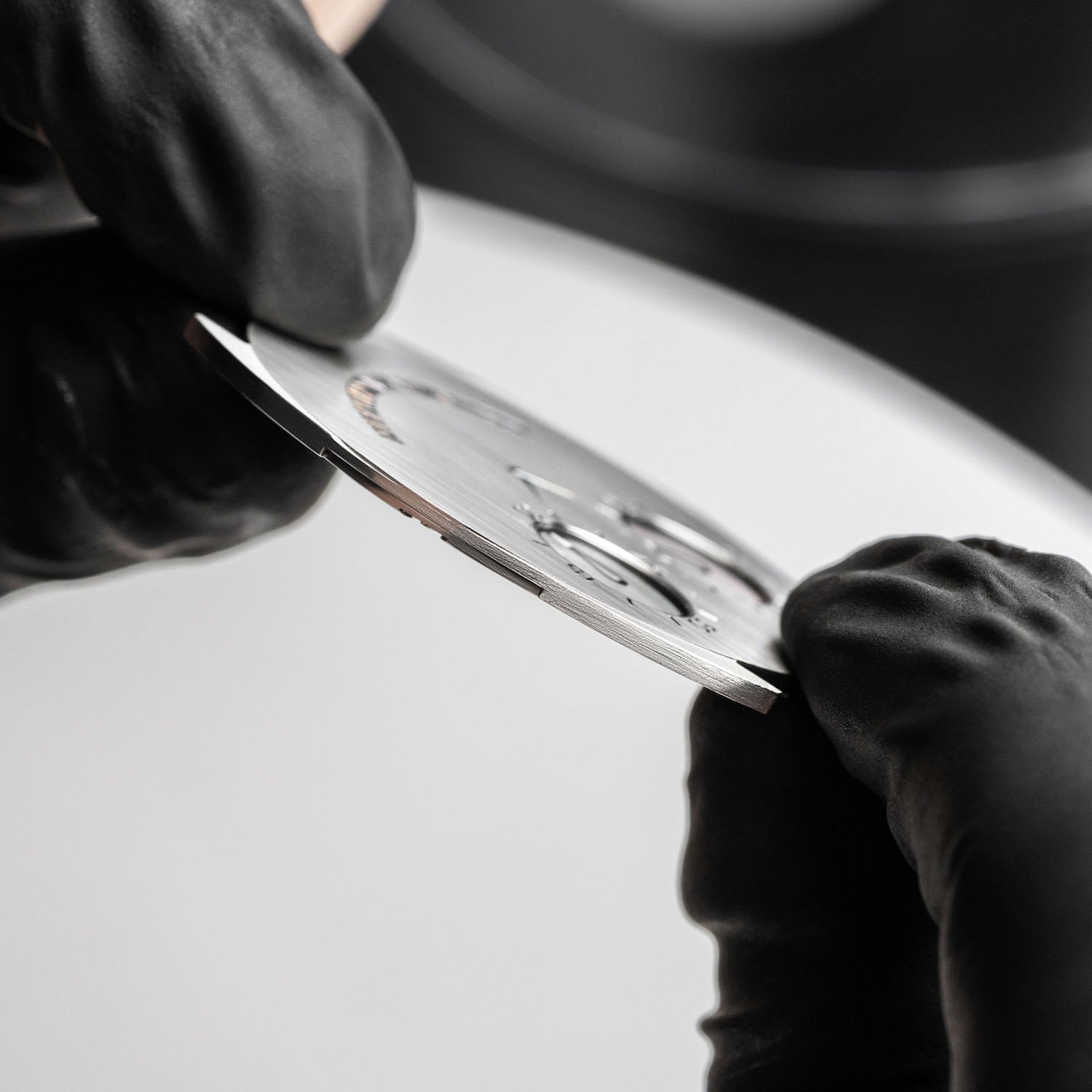
The challenges were immense. Producing a single piece and producing a series are vastly different processes. By launching the limited-edition ThinKing Mystery, I aim to demonstrate that achieving a record is no accident. Attaining the record required a complex research process involving an extensive study of effective solutions and combinations: case material, metal-milling methods, heat treatments, and various fitting and finishing techniques. Producing the watch in a series is a different matter. While it is possible to disregard economic considerations to achieve a record — for example, producing five parts and keeping only one that meets the extremely high precision requirements, discarding the rest — this approach is unacceptable for series production. Therefore, when launching a series, it is necessary first to develop a production concept and a detailed sequence of actions. The process must be designed so that virtually every component, from milling the part blanks to the finished components, meets all necessary requirements while maintaining extremely tight tolerances. For parts that require fitting — an inevitable occurrence given current technology — production must be organised in the correct order, taking into account step-by-step assembly and fitting. In practice, this is an extraordinarily complex process, which had to be developed and documented in technical regulations to ensure that all component operations are carried out strictly in accordance with the regulations’ stringent requirements. This process presents a real challenge for highly complex parts, such as the caseback, whose production route involves 40 different inspection points.
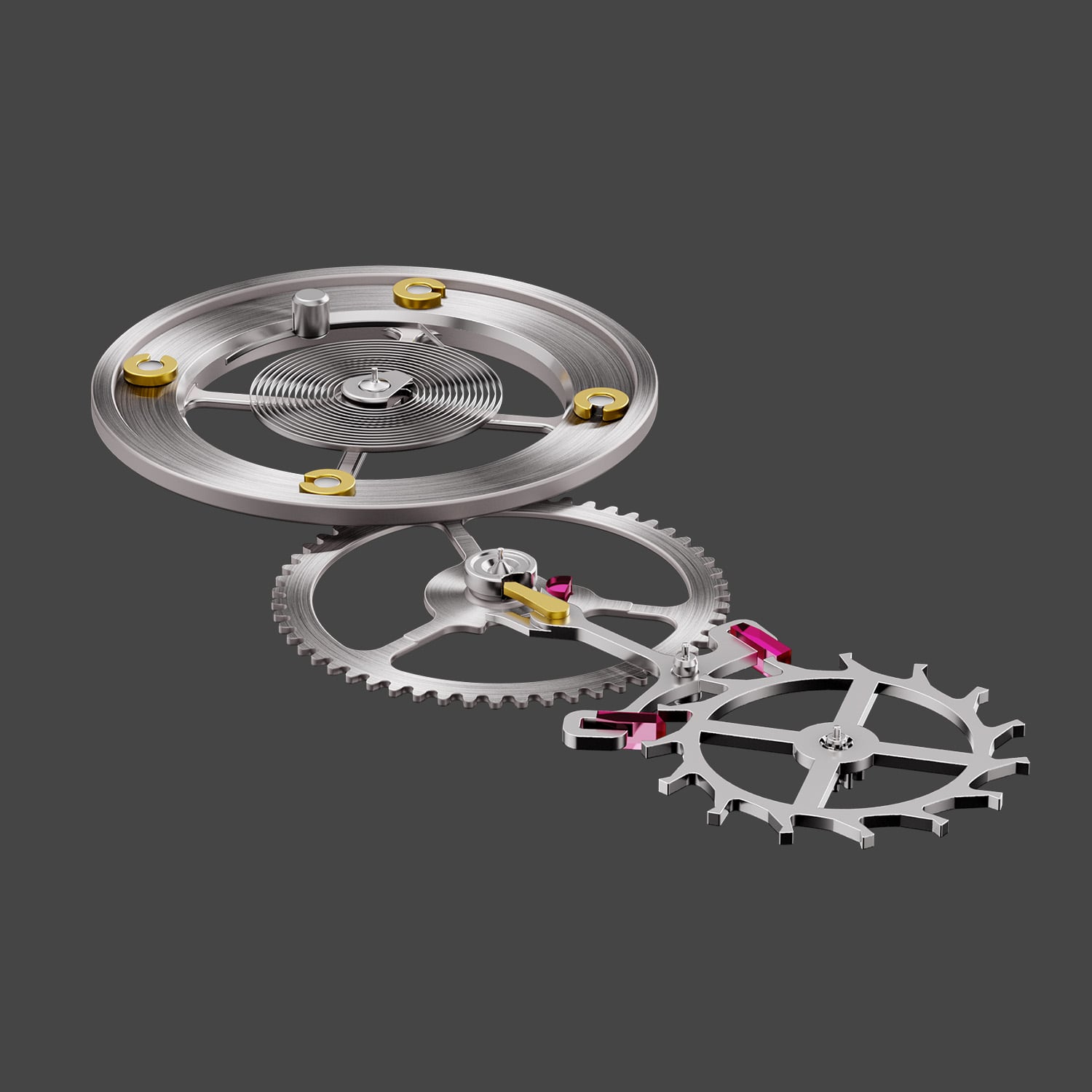
To achieve a 1.65mm thickness, you had to rethink the balance wheel and hairspring. Can you tell us about the innovations within that specific subsystem? What is the daily rate deviation achieved?
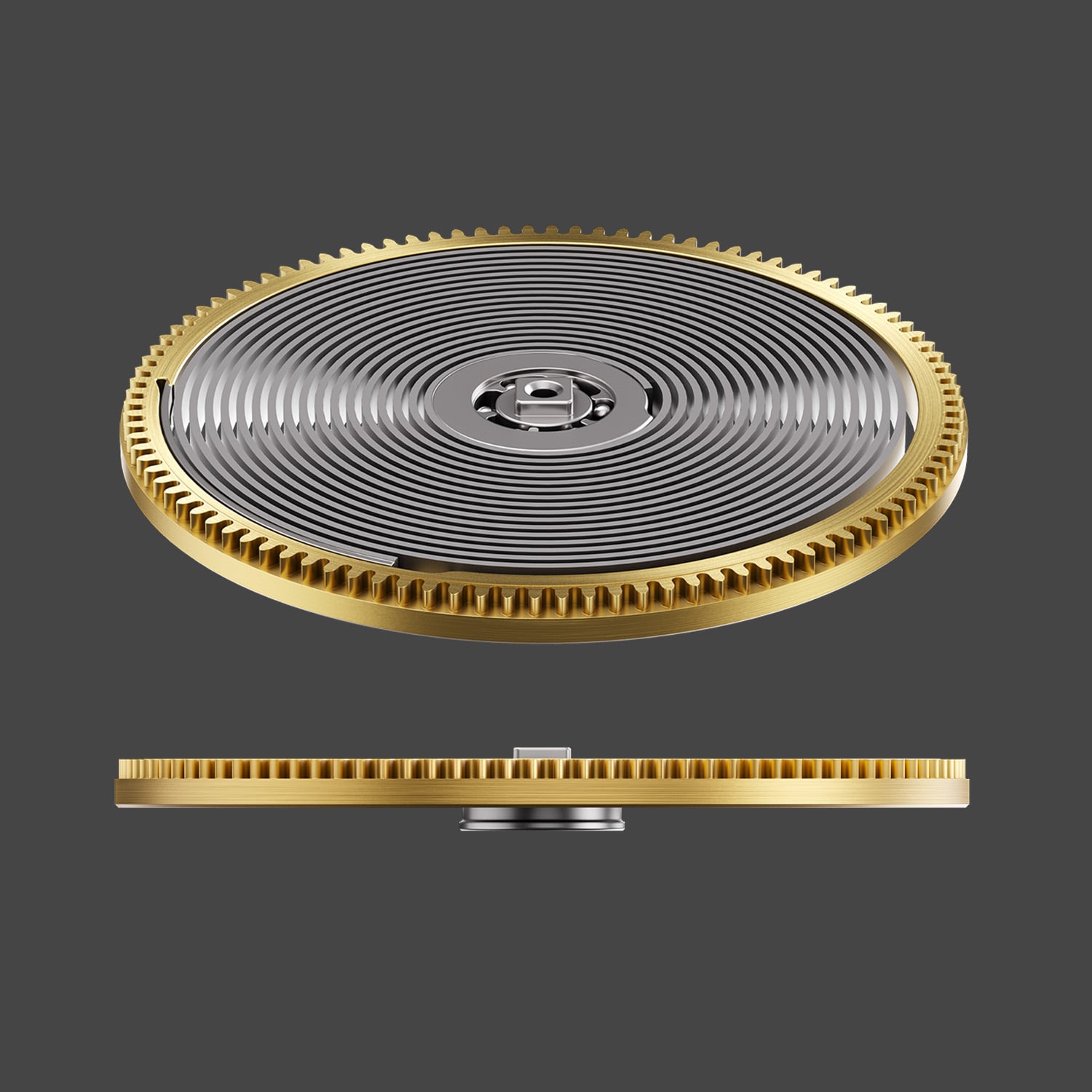
We have now achieved a range of -15 to +20 seconds per day with an amplitude of approximately 270 degrees. This was a highly challenging endeavour, as we were working from a design that split the classic balance wheel and hairspring into two parts, based on the principle of separating functions: the first balance is actually a separate roller with a toothed rim, and the second balance, attached to a hairspring, also has a toothed rim. I chose this technical solution to minimise the watch’s thickness, and I believe it is the key innovation at ThinKing. Considerable effort went into sourcing materials for these components and selecting their optimal geometric characteristics to ensure the proper functioning of this complex oscillating system. We also had to carefully consider the geometry of the balance wheels and how the entire assembly fits into the movement. This was a major, lengthy undertaking, and this stage could not be overlooked. During production, we encountered some unpleasant surprises; for example, the very small distance between the balance shafts made poising an extremely complex operation. This required the development of a special, unconventional poising machine, as traditional tools were unsuitable. Additionally, static electricity had to be addressed, as it can introduce significant errors.
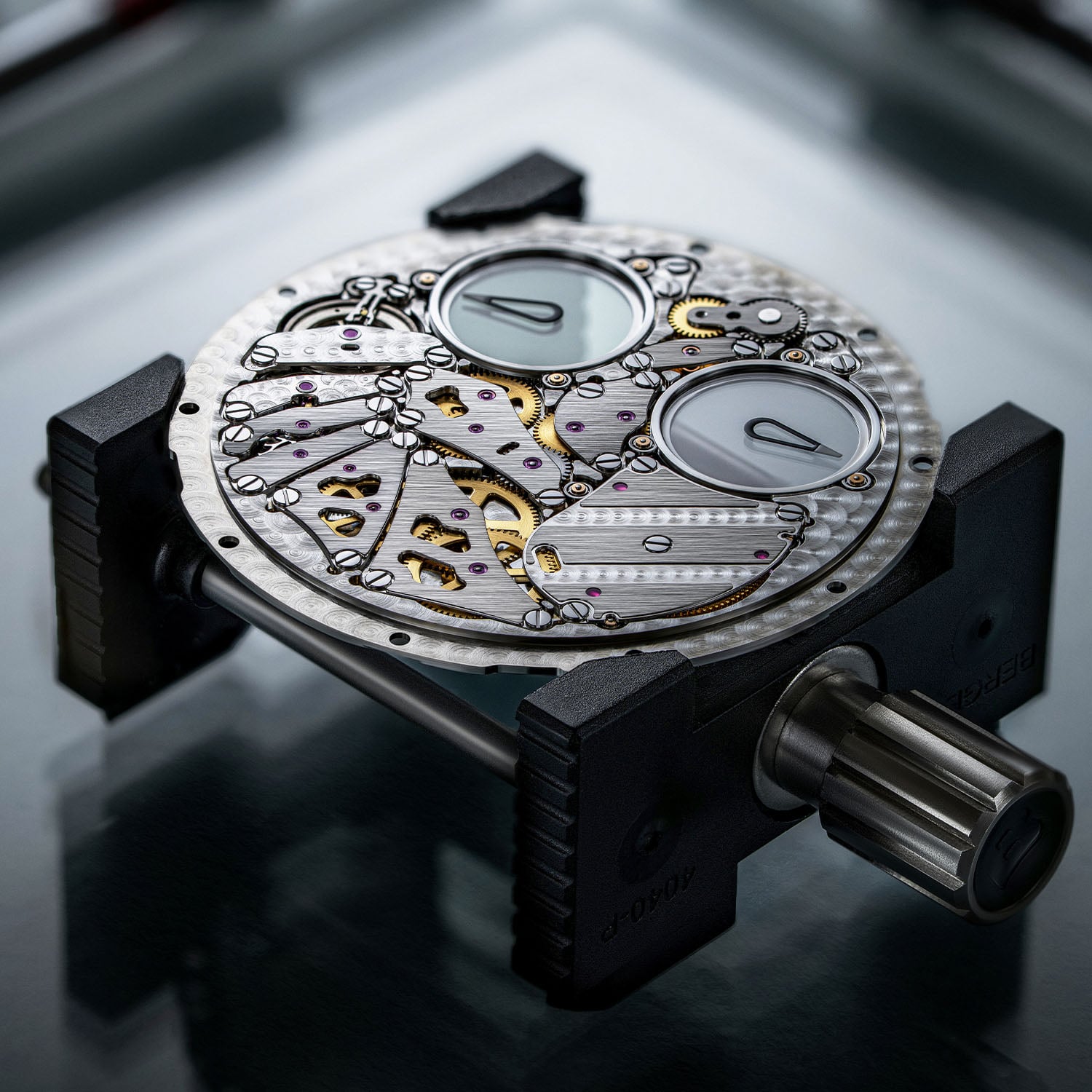
You also utilised special materials. Can you tell us about this and the implications with regard to the production and the design of the Thinking Mystery?
Without specialised materials, this project could not have been completed successfully. For example, the case is made from a precision alloy developed in Russia that is non-magnetic and hard, with a hardness of 62 units. For the balance, we used a combination of aluminium alloy and a tungsten-containing heavy alloy to achieve the required moment of inertia.
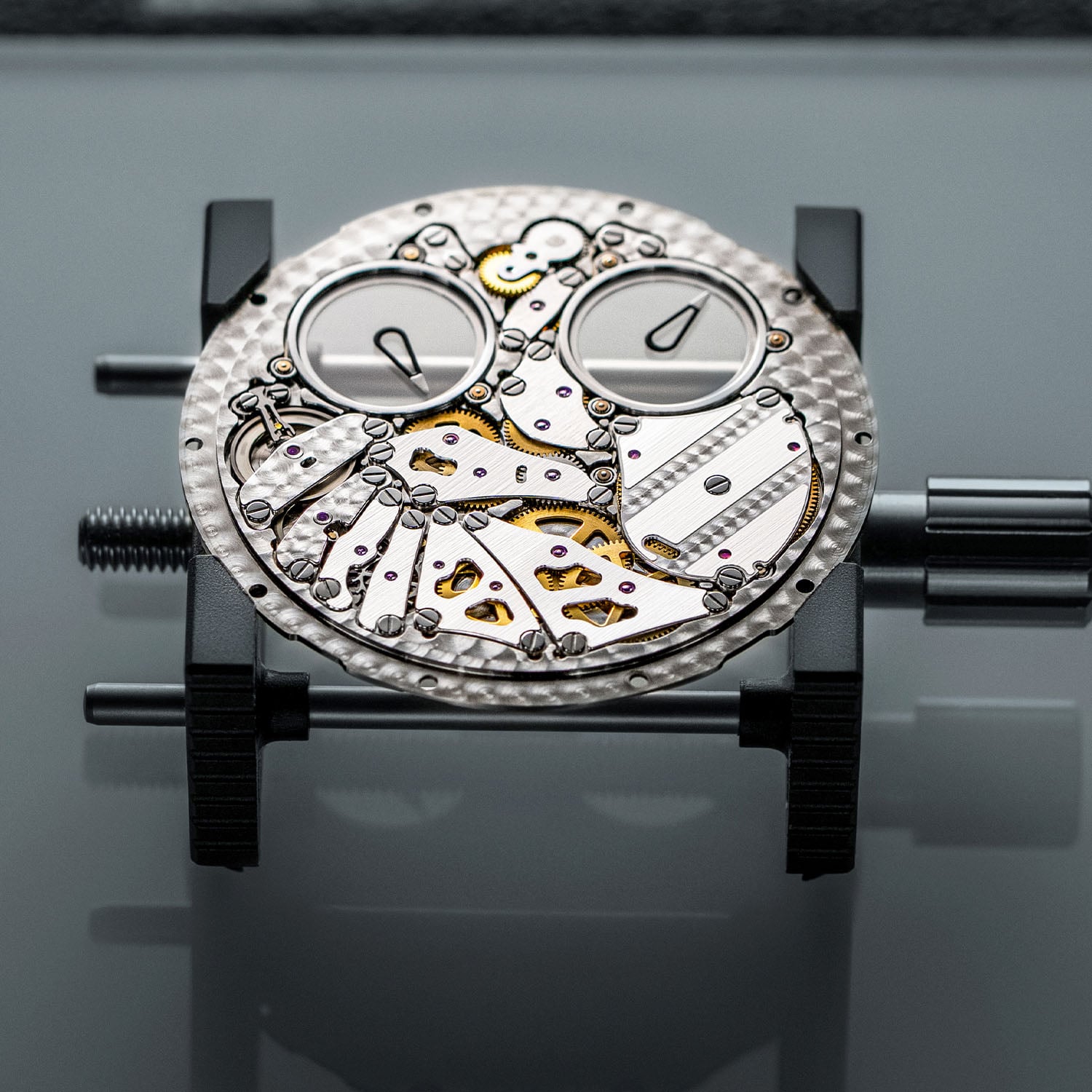
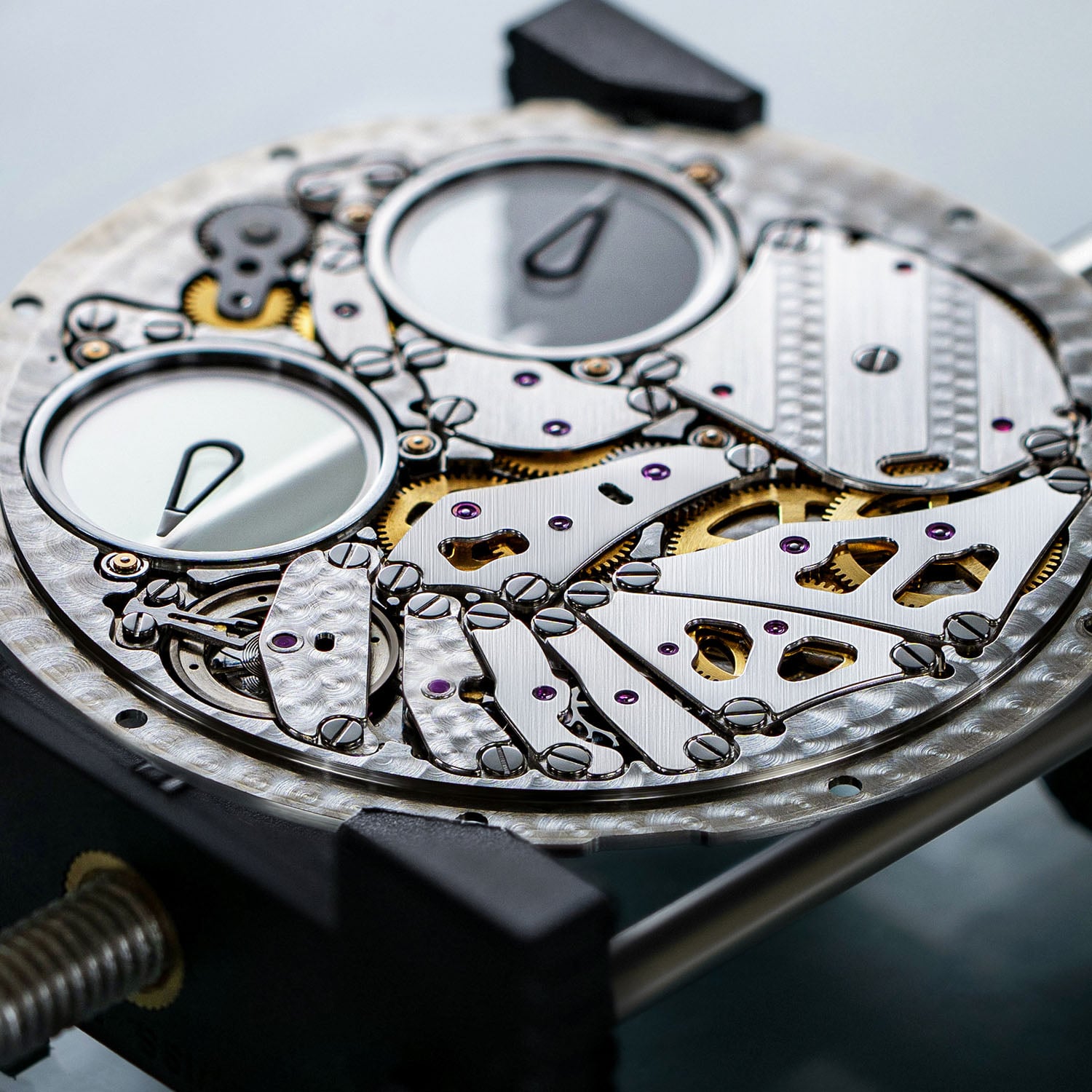
With such thin gears and a shallow mainspring barrel, how did you ensure a functional power reserve without the components warping under tension? What is the power reserve delivered?
To prevent deformation under load, we used special materials. In addition to what I have already mentioned, we used bronze instead of brass for the wheels. The barrel bridge, an area subject to high loads, is equipped with reinforcing ribs. The ultra-thin barrel developed for the ThinKing is highly efficient. It provides a good power reserve — we state 38 hours, but the actual figure is closer to 42 hours.
One does not immediately think of this, but adapting a strap to such a thin watch is a challenge in itself. Can you tell us about this?
Indeed, this is true. I would note that the development of the ThinKing focused less on the strap adaptation system and more on the crucial issue of durability. It was essential to design the strap so that, when stress occurs — for example, when fastening the strap — almost all of that stress is absorbed by the strap rather than the case. Consequently, each of the two strap halves, specially developed for the ThinKing, incorporates two elastic elements. The first is a pre-formed titanium end piece that attaches the strap to the case. The second is an elastic insert made of a special rubber. Both elements limit the stress that can be applied to the ultra-thin case. The strap is attached using screws, which requires an uncommon procedure: each screw is tested to ensure it does not break and the watch does not fall off the wrist.
In the pursuit of 1.65mm, what was the most heartbreaking moment in the workshop? Was there a specific component that broke repeatedly during the R&D phase?
In fact, there were no simple steps. For example, after assembling the first prototype and getting it running, it became clear that the balance amplitude was insufficient. We had to change the design of the double balance, including the gear ratio between the two balances. Numerous issues with the barrel design, lever escapement placement, and case design caused various problems. Perhaps the most difficult stage was developing the case parts, as we had to ensure both sufficient strength and tight manufacturing tolerances while milling and fitting extremely thin components. Another challenge was finding a material that deforms minimally during mechanical and heat treatments, as well as refining the entire manufacturing process. We successfully completed this task, including adapting the technology for serial production. Regarding breakable parts, I must say that everything broke during development; the process was not simple. Nevertheless, we managed to industrialise this truly complex technology and are moving forward with this plan.
Is a watch this thin too fragile for “real world” wear? What testing did the THINKING undergo?
We have conducted a comprehensive case testing programme. Our standard procedure involves applying a load to the side of the case and detecting any deformation — this is the first step. The second step is to check for water resistance. We guarantee water resistance up to 1 ATM, which is low by modern watchmaking standards but still quite normal for jewellery watches. This means ThinKing is suitable for everyday wear. Impacts to the case are strictly prohibited, as they can cause deformation and breakage due to the very thin construction. The hour and minute indicator discs can also break, as they are extremely thin. Compared to watches designed for active sports, ultra-thin watches are indeed fragile, but they are suitable for responsible and respectful everyday wear, without impacts or significant loads.
Now that you’ve reached this pic of thinness, where does the “Thinking” project go next? Do you believe the “Thin Wars” are over, or have you simply set a new floor that others will inevitably try to break?
No, the story is not finished. There is scope for further developments, both in reducing thickness and introducing complications. I have some ideas. ThinKing Mystery is one such step, as a mysterious display is a complication in itself. Regarding the term “war”, I wouldn’t call it a war – perhaps a race. In any case, these are intriguing engineering challenges for the entire industry.
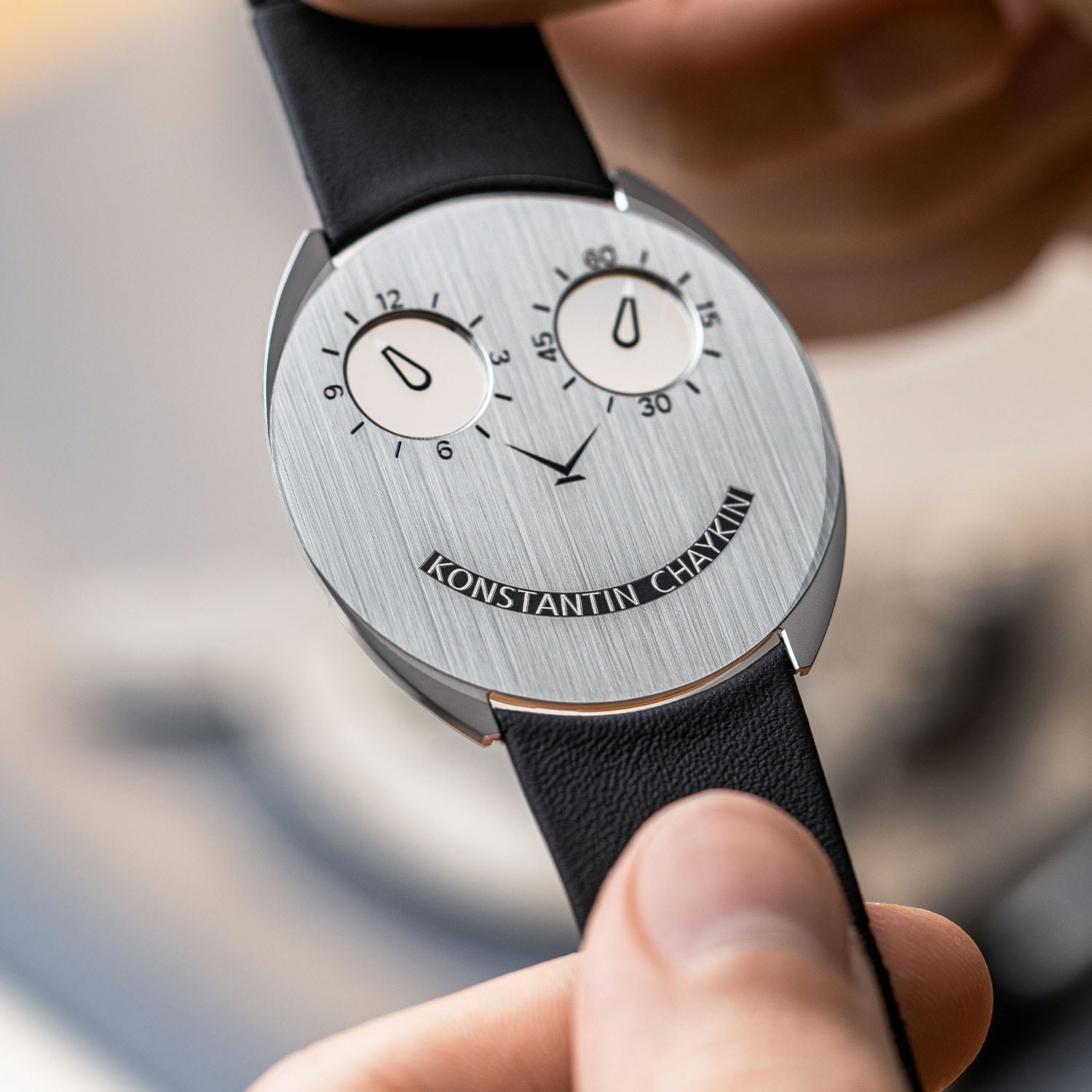
If you happen to be in Geneva in mid-April, during the week of the watch fairs, Konstantin Chaykin will be exhibiting with AHCI, offering the unique opportunity to see this truly surreal watch in person.
For more details, please visit konstantinchaykin.com

1 response
Crazy! If it was posted yesterday I probably wouldn‘t believe it exists 😉