


 Not all images were able to load for printing. Please close the print window and try again.
 Karishma Karer and Punit Mehta, Co-Founders of India Watch Weekend, One of India’s Fastest-Growing Watch Events
From a collectors’ meet to a full-scale watch weekend in India, Karishma Karer and Punit Mehta are shaping a platform that brings global brands, Indian watchmaking, and a growing enthusiast community together at home.
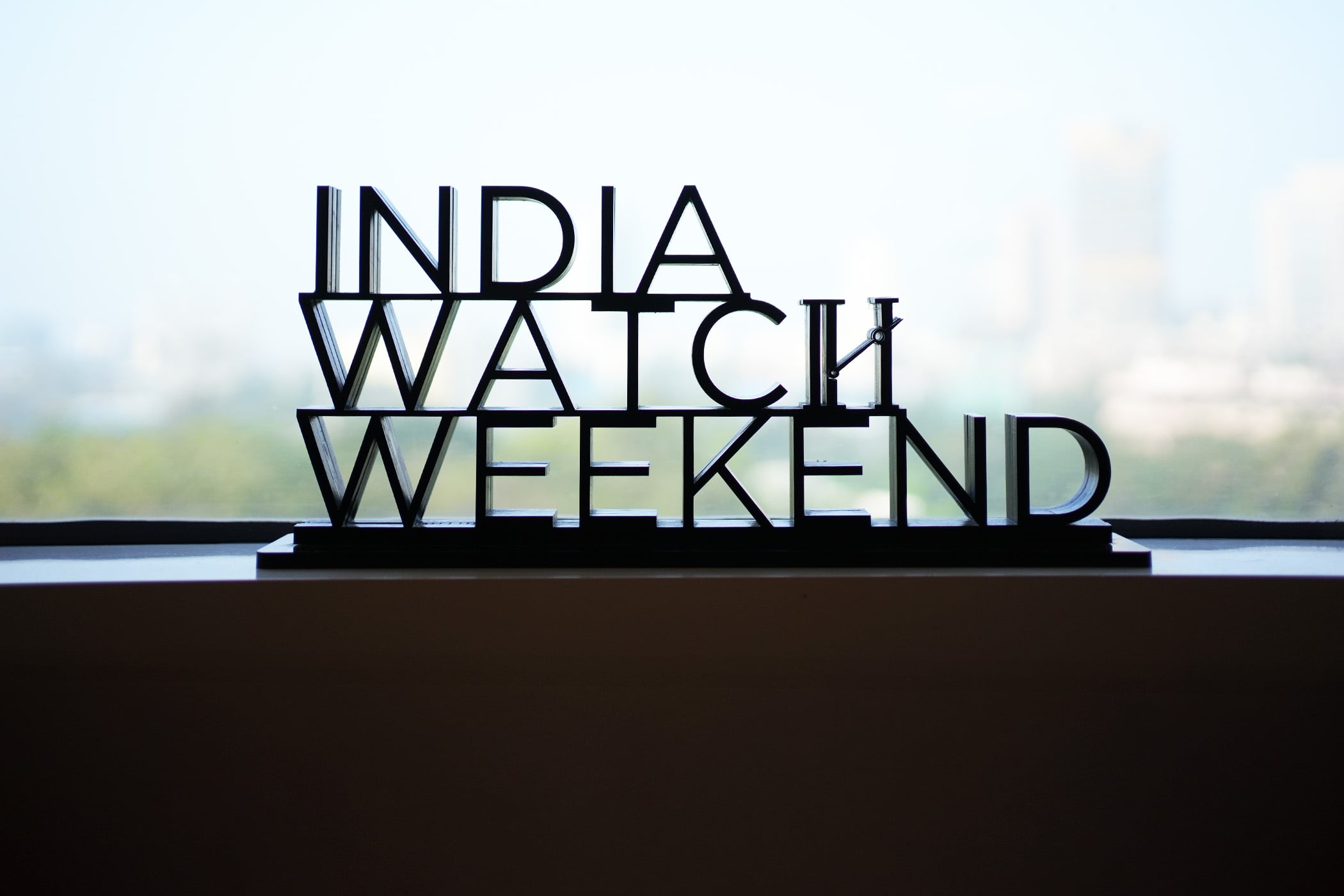
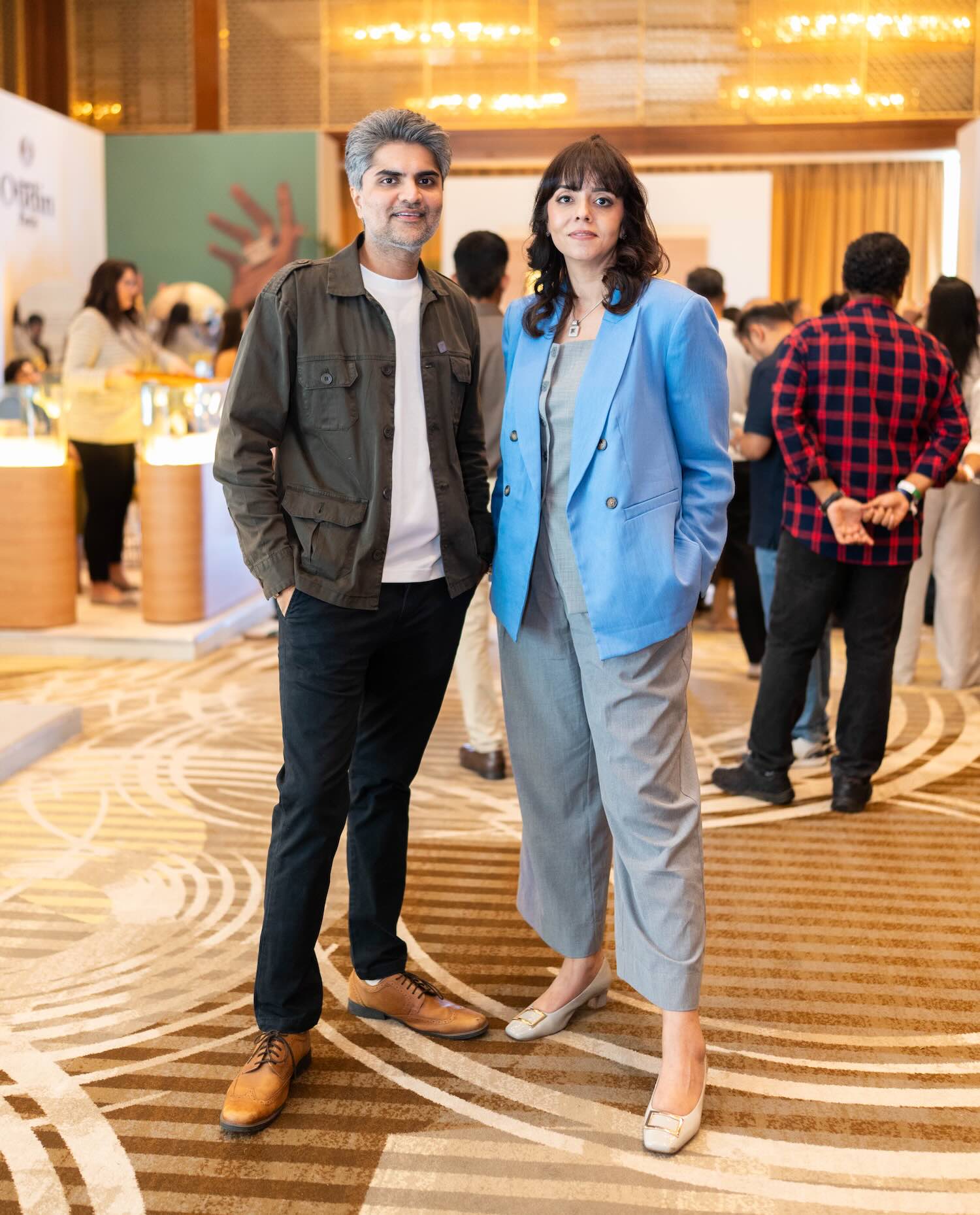
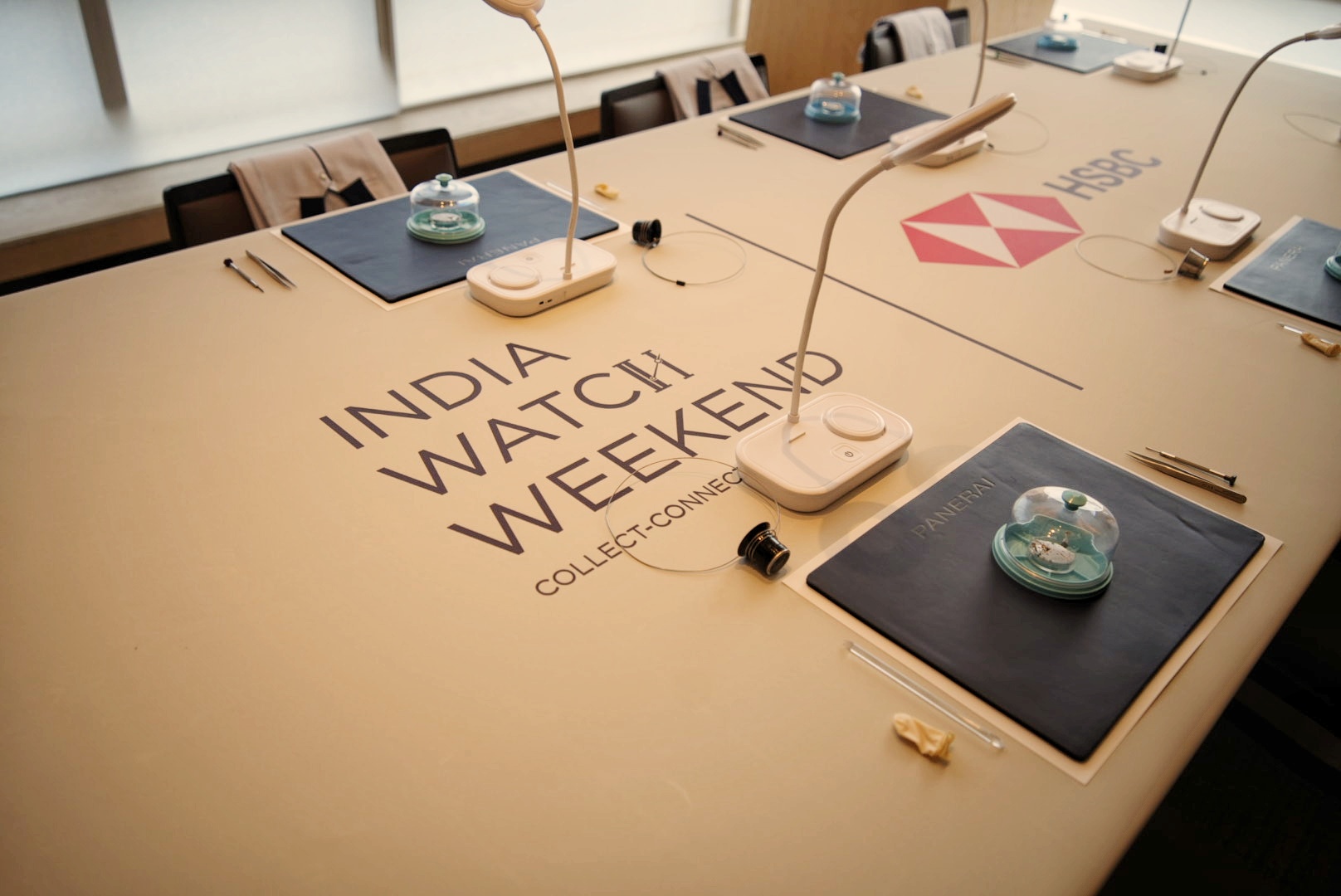
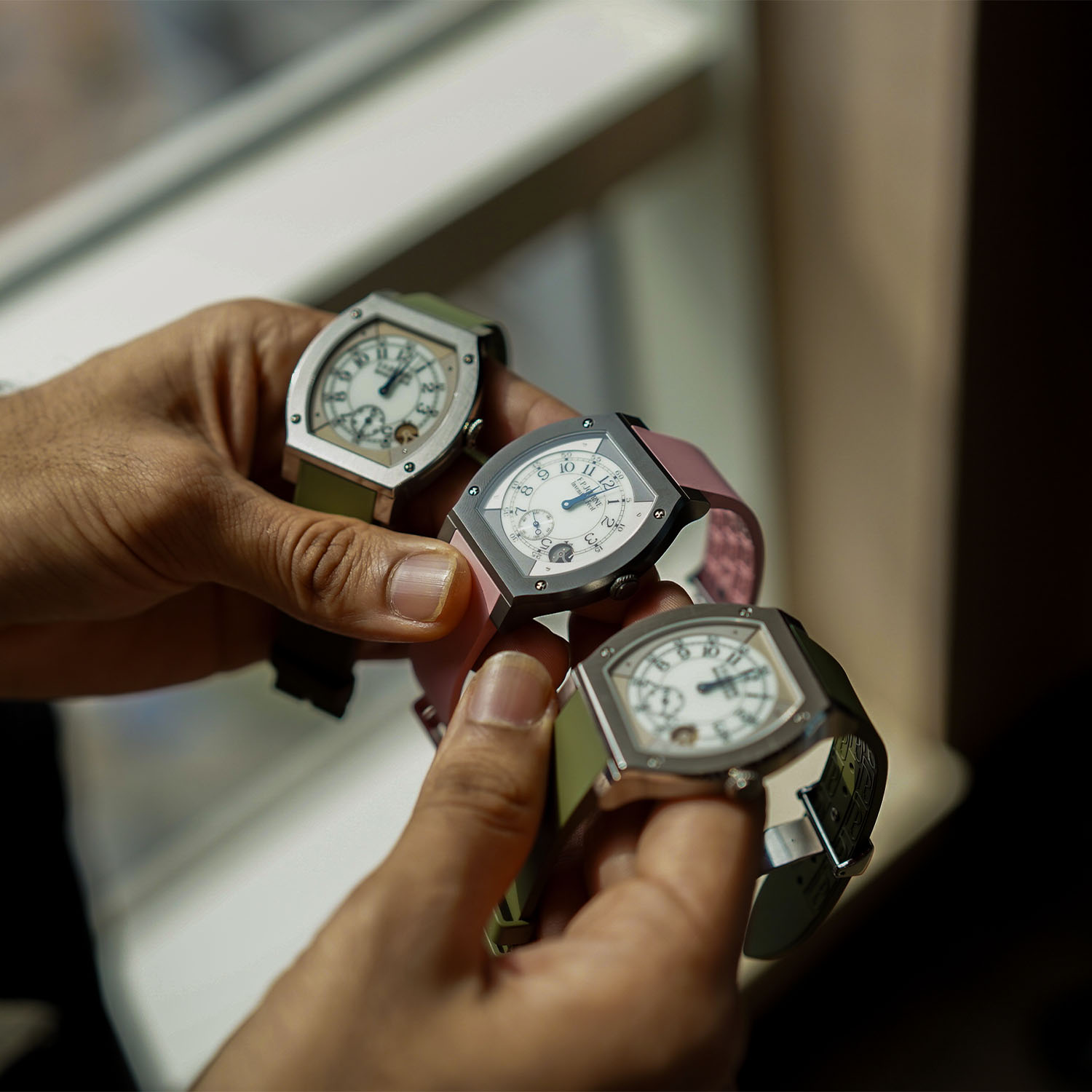
India Watch Weekend returned to Mumbai, India’s financial capital, this year for its second edition. Co-founded by Karishma Karer and Punit Mehta, the event was conceived as a space where watches could be experienced and discussed in an Indian context. Their backgrounds across watch media, brand relations, and collector communities shape the weekend’s focus on access, conversation, and learning rather than spectacle. That approach was reflected clearly in the mix of brands on the floor. Established luxury maisons such as A. Lange & Söhne, Jaeger-LeCoultre, Grand Seiko, and Panerai shared space with Indian and India-connected brands, including Titan, Nalla Neram, and Ardra Labs. India has long been treated as a market to be briefly visited, but it is now increasingly seen as a place where watch culture can be experienced more deeply. To understand how India Watch Weekend (IWW) has evolved and where it is headed next, I spoke with Karishma and Punit about the event’s idea, its growing community, and how watch culture in India is changing.
Editor’s note: This interview was conducted by Mohak Gupta, freelance journalist and writer, reporting from India for MONOCHROME.
Mohak Gupta, MONOCHROME – Karishma, Punit, now that it’s all wrapped up, how did the India Watch Weekend feel for you? Did this year meet your expectations?
Karishma Karer, Founder, The Hour Markers, and Co-founder, India Watch Weekend: Honestly, it went beyond our expectations. This was only the second India Watch Weekend, but it was the first time we had so many brands and experiences together. The responses from people were incredibly heartwarming. Many didn’t quite know what to expect, and that sense of discovery was exciting to see.
Punit Mehta, Chapter Lead, RedBar India, and Co-founder, India Watch Weekend: Absolutely. For many collectors and enthusiasts in India, this was their first real watch show. Suddenly, there were exhibitions, curated food and drinks, parties, and everything happening over one weekend. Watching people move between a panel, a brand space, a sake tasting, and then straight into a conversation about watches was a great reminder of why we wanted to do this in the first place.
Long before The Hour Markers or India Watch Weekend, how did watches first enter your lives? Was there a moment or experience that made you see them as more than just timepieces?
Punit: For me, it was very community-driven. I always liked watches, but I didn’t have people around me to really talk about them. In India, many of my friends weren’t interested in discussing watches in depth. I read a bit online, but I wasn’t fully satisfied. So I thought, why not bring a few people together and just talk about watches? That’s how it started, and over time, it grew into a community in India. Somewhere along the way, I met Karishma, and we began discussing watches more seriously. I always felt there was a lack of information from an Indian perspective. At the time, a lot of media houses were focused on print, but print alone wasn’t enough. It’s not the easiest format for deep research or regular engagement.
That’s how the idea of The Hour Markers came about. From a community perspective, we felt that media was important, but experiences were equally necessary. I started visiting international watch fairs and really enjoyed them, but I kept thinking that many people back home were missing out on this entire experience. Convincing hundreds of people to travel to Geneva or Hong Kong wasn’t realistic, so the idea became simple. Why not bring the world to India, so people here can experience it, and brands can better understand what India actually is?
Karishma: My journey is completely different. I come from watches, quite literally. My grandfather started a trade magazine focused on watches almost 80 years ago. My father launched another one around 40 to 50 years ago, and I’ve been working in this space for the past 21 years. Today, we have three print publications under The Hour Markers portfolio. With India Watch Weekend, the idea evolved very quickly. It started with a phone call from Punit. He called me and said, “I really want to do this. Why aren’t we doing this for India?” My initial reaction was that it might be too soon. But after that call, we spoke the next morning again and decided to do a pilot version.
The 2025 edition happened without any brands involved. We planned five different activities for collectors, including cars and watches, and even then, we had around 450 people with us for 24 hours. That experience made it clear that the Indian market was hungry and ready. We travel to Geneva and Dubai for great watch shows, so the question was simple: why not India? India has the audience, and India has the spending power. Brands need to start recognising that and putting India firmly on their radar.
Do you remember when the idea of starting The Hour Markers first became real? Who took the lead in saying, “Let’s actually do this”?
Karishma: There were many discussions around whether we should continue in the same direction, pivot completely, or even rethink the brand altogether. Eventually, we arrived at a clear understanding that it needed to be about education, and more importantly, transparent education. Above all, we wanted The Hour Markers to be a platform that gives people access to the world of watches, driven by curiosity rather than intimidation.
Punit: It was sometime in mid-2020, around the first or second quarter, when we first discussed it seriously. At that point, the idea went through many changes from what we initially imagined to what it eventually became. We were still trying to figure out what made the most sense and how we wanted to approach it. We also wanted to move the conversation around watches beyond just aesthetics or perceived investment value. The idea was to present watches as well-engineered products with real technical depth. In India, watches are often viewed through the lens of gifting or design, and we wanted to offer a different perspective. For us, it comes down to understanding and respecting the watchmaker’s and the brand’s work. When you learn about a watch, you begin to appreciate it differently. That curiosity builds over time, and it becomes less about simply buying a watch and more about making an informed choice.
Karishma, you come from a strong editorial background and are a member of the GPHG Academy, while Punit, you’ve been closely involved in leading a collector community through RedBar India. How did these experiences shape what you wanted The Hour Markers and India Watch Weekend to be?
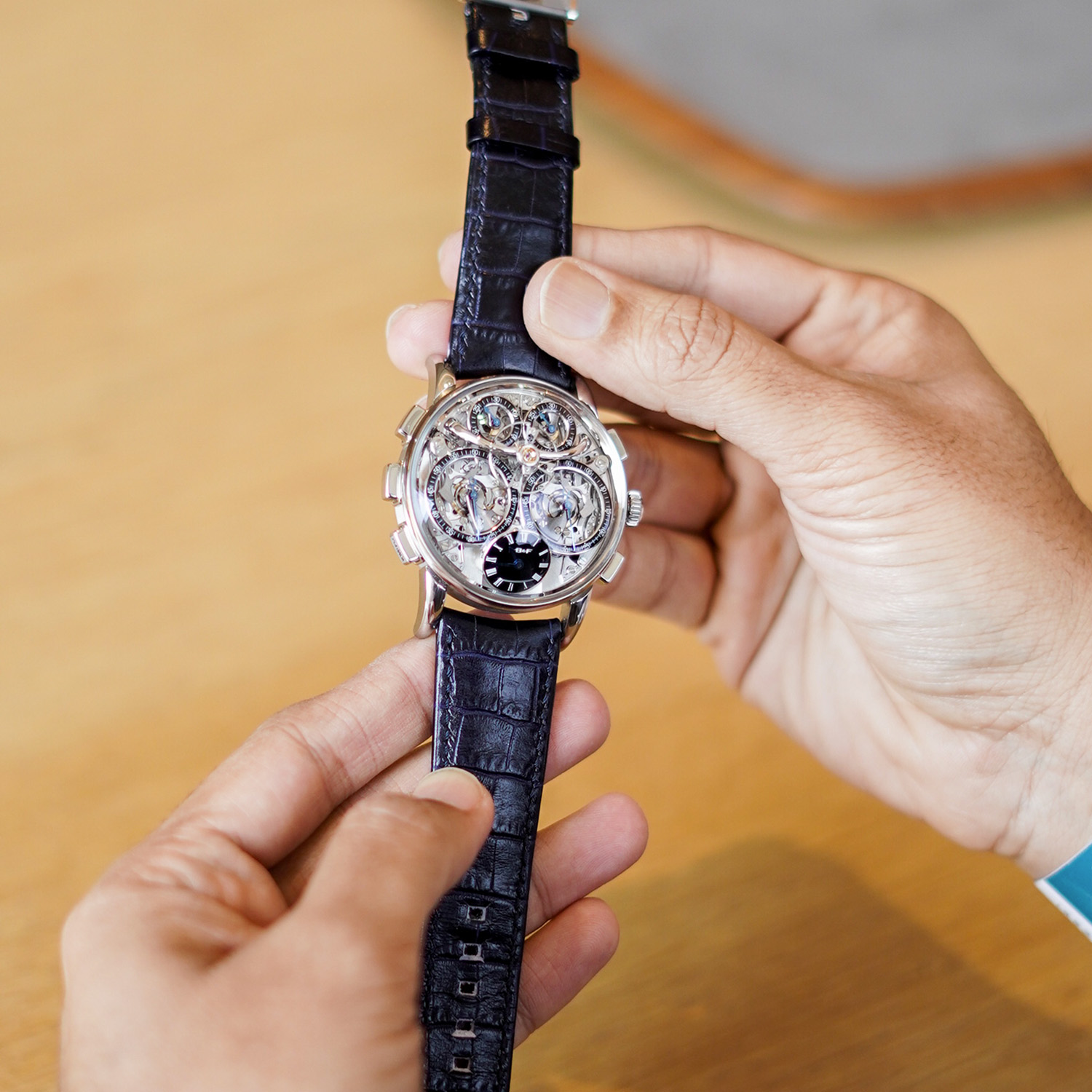
Karishma: I think it’s a very complementary mix. I’ve been associated with the watch industry for a long time, so in terms of access to brands and credibility, we have a strong foundation. Many brands came because of long-standing relationships and the credibility built over time. Brands such as Ming and Genus are not typically present in India, but they were open to participating because of the trust we have established. That said, it’s not just about bringing brands to India. It’s equally important to ensure they reach the right audience and have meaningful interactions once they are here.
That’s where Punit’s role becomes essential. He has built a strong collector community over time through the growing RedBar India chapter. There are genuine discussions and informed conversations happening within that group. He understands who truly engages with watches and who would be interested in an event like this. Together, we were able to build a very strong database. From my perspective, I understand what European, Japanese, and Indian brands expect, and I can manage that side of the conversation. Punit, as a collector, understands what collectors want to see and experience. That communication between us translates directly into how we work with brands, and it has worked very well for India Watch Weekend.
Punit, you’ve been closely involved with RedBar India for a long time. Can you explain what that community really is, how it works on the ground, and why it has become so important for collectors and brands in India?
Punit: RedBar is the name we use for the community, and it is part of the global RedBar watch collectors network that started in New York. I manage the India chapter. It’s a group of watch enthusiasts, collectors, and curious people who come together to learn more about watches, not only through brands but also through peer-to-peer learning and shared experiences. When you’re part of such a community, you suddenly have access to people across the country who share the same passion. These friendships become quite strong because you’re connecting over something that very few people in your everyday social circles may fully understand. We often refer to it as a watch family, and in many ways, it has grown beyond the RedBar name itself.
There are also smaller communities across the country that resonate with what we’re doing. As these groups come together, the community finds its voice, and brands are listening. Today, brand country managers can engage with the community far more directly and transparently. If there’s a particularly good or bad experience at a boutique, that feedback travels quickly and reaches not just local teams but sometimes even regional teams in Dubai or Geneva. Communities play a crucial role in shaping how brands think about their next steps, because consumers matter. This isn’t just my perspective as someone involved in the community. I’m hearing directly from brand heads that they’re receiving meaningful feedback from India and actively incorporating it into communication strategies, product development, and their approach to the Indian diaspora. The pace at which the community has evolved has surprised many people.
You’ve both achieved a lot within the watch world internationally, but India is a very different landscape. What has surprised you most about applying your experience here in India, and what challenges did you face?
Karishma: There were some minor challenges, and those are areas where we’ll take feedback from brands and see how we can improve going forward. But when it comes to surprises, the response really stood out for us. We were confident the event would do well, which is why we went ahead with it, but the scale of the response and the community’s reaction exceeded our expectations. What surprised us even more was that we didn’t include jewellery, fashion, or anything beyond watches, and yet we still attracted such a wide audience. People from many different backgrounds came in, not just to look around, but to engage in conversations with the brands. We also had not only the Indian heads of brands present, but representatives travelling in from Germany and other countries. The reaction from people who attended was overwhelming in the best possible way. As for challenges, there are always practical considerations with any event of this size, but nothing stood out as unmanageable or unexpected.
You’ve both attended big watch events in Switzerland and Dubai. How did it feel putting together a show like this in India?
Karishma: It definitely gave me a new level of respect for those events. I probably won’t complain about the small things anymore when I travel for them. Putting something like this together is not easy. There is a lot of coordination and expectation management involved. What also struck me was how much I would have enjoyed our own sessions if I had been an attendee. The panels we put together were genuinely interesting, both in terms of topics and the people on them. I would have loved to sit in on those discussions, but because we were organising the event, that wasn’t really possible. We also had perfume masterclasses as part of IWW, and I didn’t even get a chance to experience that because we were constantly moving between different things. That was one moment I felt I really missed out on.
The sake tasting was another fun activity. The CEO of Doxa was present, and he was so pleased with the response that he sat down with us the next day and said we should do something more interactive. That led to a Doxa gaming lounge and a foosball challenge. The winner of the foosball game actually walked away with a Doxa watch.
Punit: One thing that was both good and challenging was the level of interest. The number of people who showed up exceeded our expectations. Almost every session ended up with double or even triple the anticipated capacity. Panel discussions, quizzes, and chats were all packed.
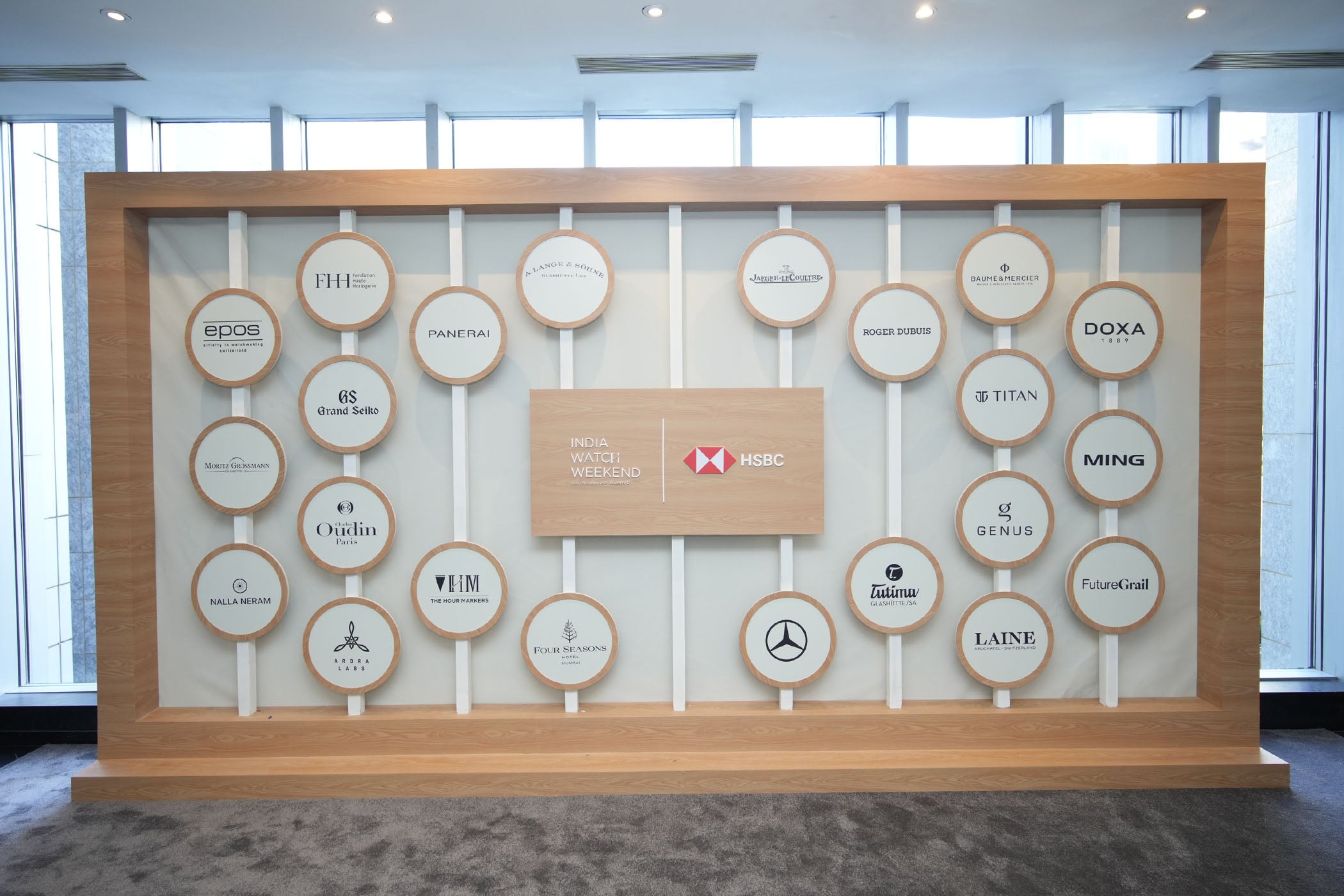
Big international watch events often focus on high-end brands. India Watch Weekend brought together names like A. Lange & Söhne, Jaeger-LeCoultre, Grand Seiko, and Panerai, alongside Indian and India-connected brands such as Titan and Nalla Neram. This year, FHH was also part of the weekend. Was this mix something you planned from the beginning?
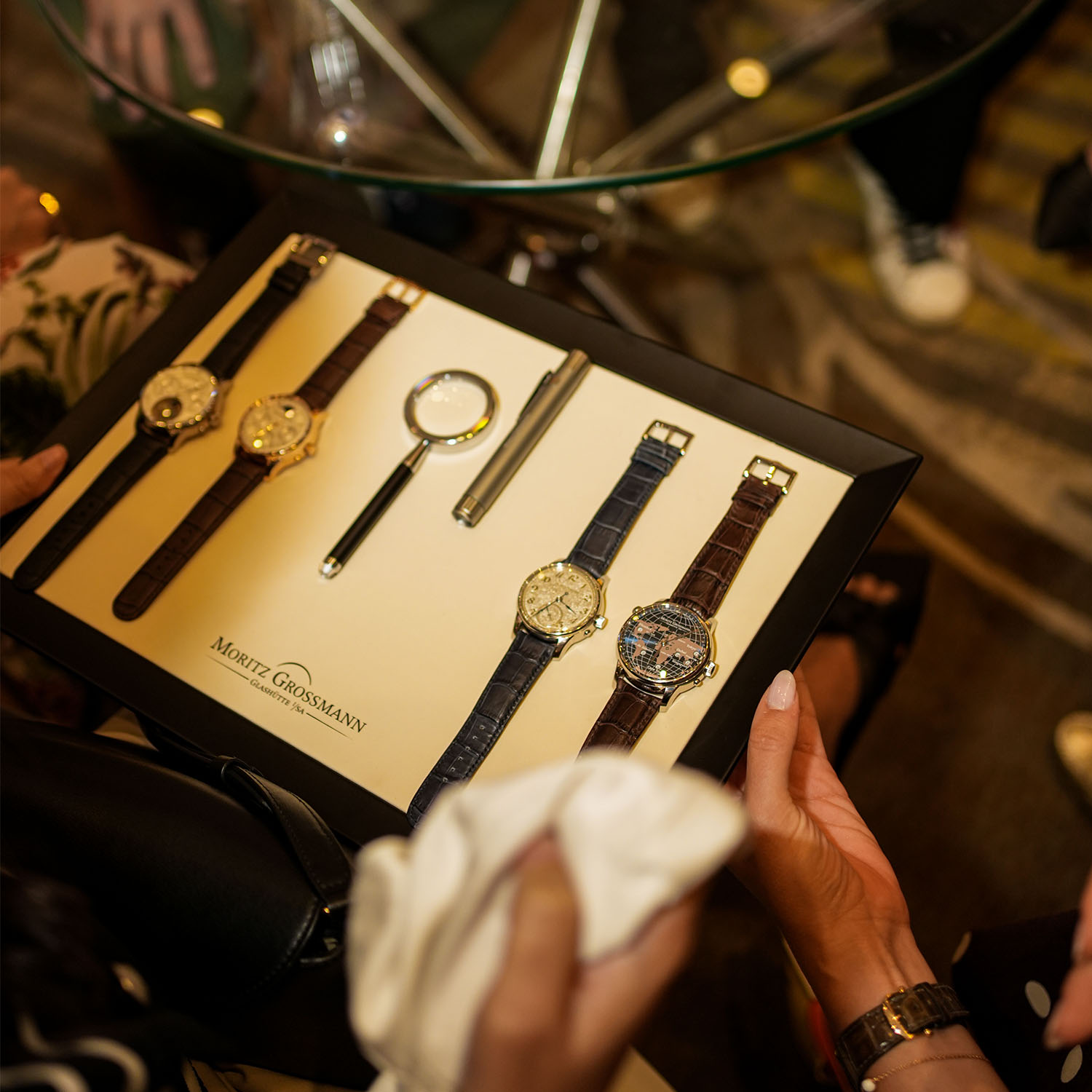
Karishma: Yes, it was absolutely intentional. We couldn’t imagine India Watch Weekend without India’s strongest brand being part of it. Titan is doing some fantastic work right now, with strong products and a lot of research and development behind them. Their space was especially memorable. When people walked in and heard the familiar Titan music that has been part of Indian television for years, it really struck a chord. You could see how deeply people connected with that. For us, India Watch Weekend has always been about balance. We want to bring the larger maisons, like the Richemont Group and Grand Seiko, but also work with brands such as Hautlence, Epos, Ming, Moritz Grossmann, and newer names like Ardra Labs and Nalla Neram. The idea is to give people something different. A thoughtful mix is essential when you are building an event like this. Also, one of our key takeaways from this year is very practical. Next time, we need to make sure exhibitors get proper lunch breaks.
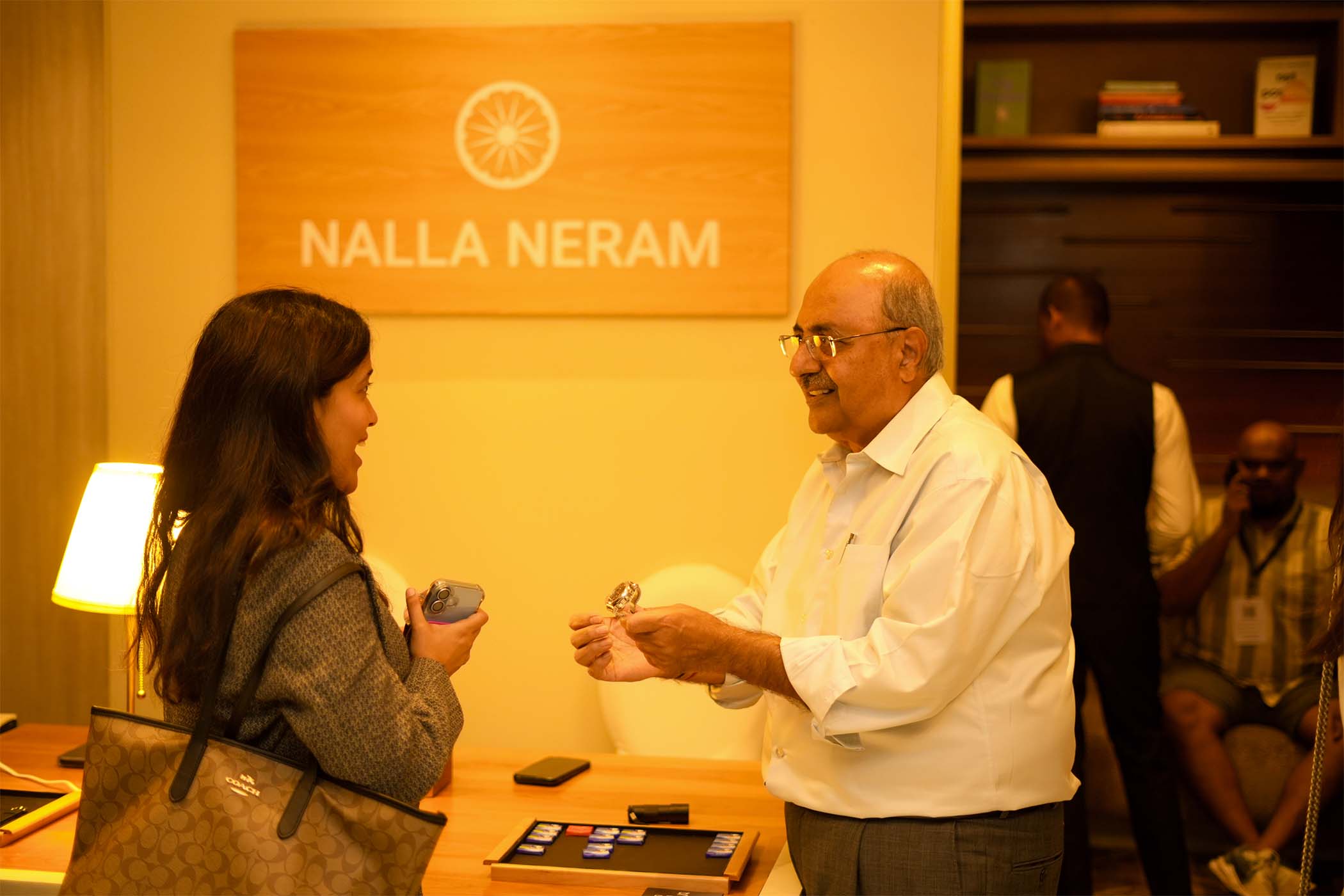
Punit: We always wanted variety, because people can buy watches anywhere. The question for us was: what value are we adding when someone comes here? A big part of that came through the different experiences we created, such as the olfactory masterclass, which was available only for a limited time and offered something genuinely new. If a brand was already present in India, we asked them to create an experience around their watches. For example, Nalla Neram showcased its first new piece launched globally at the event. Hamilton displayed both new models and vintage watches, which attracted a lot of attention. Grand Seiko unveiled a new movement in India for the first time. People were able to see and handle watches they had previously only seen online.
Nalla Neram drew a lot of interest because of the detail in its movement, while Ardra Labs caught attention with its GMT watch designed to work across one-hour, half-hour, and 45-minute time zones. It was encouraging to see how deeply people engaged. Several exhibitors told us they barely had time to step away because of the constant interest.
Both Titan and Nalla Neram are very different in scale, yet both show a strong sense of creativity in their approach to watchmaking. What do you think this says about where the Indian watch market and watchmaking in the country are headed?
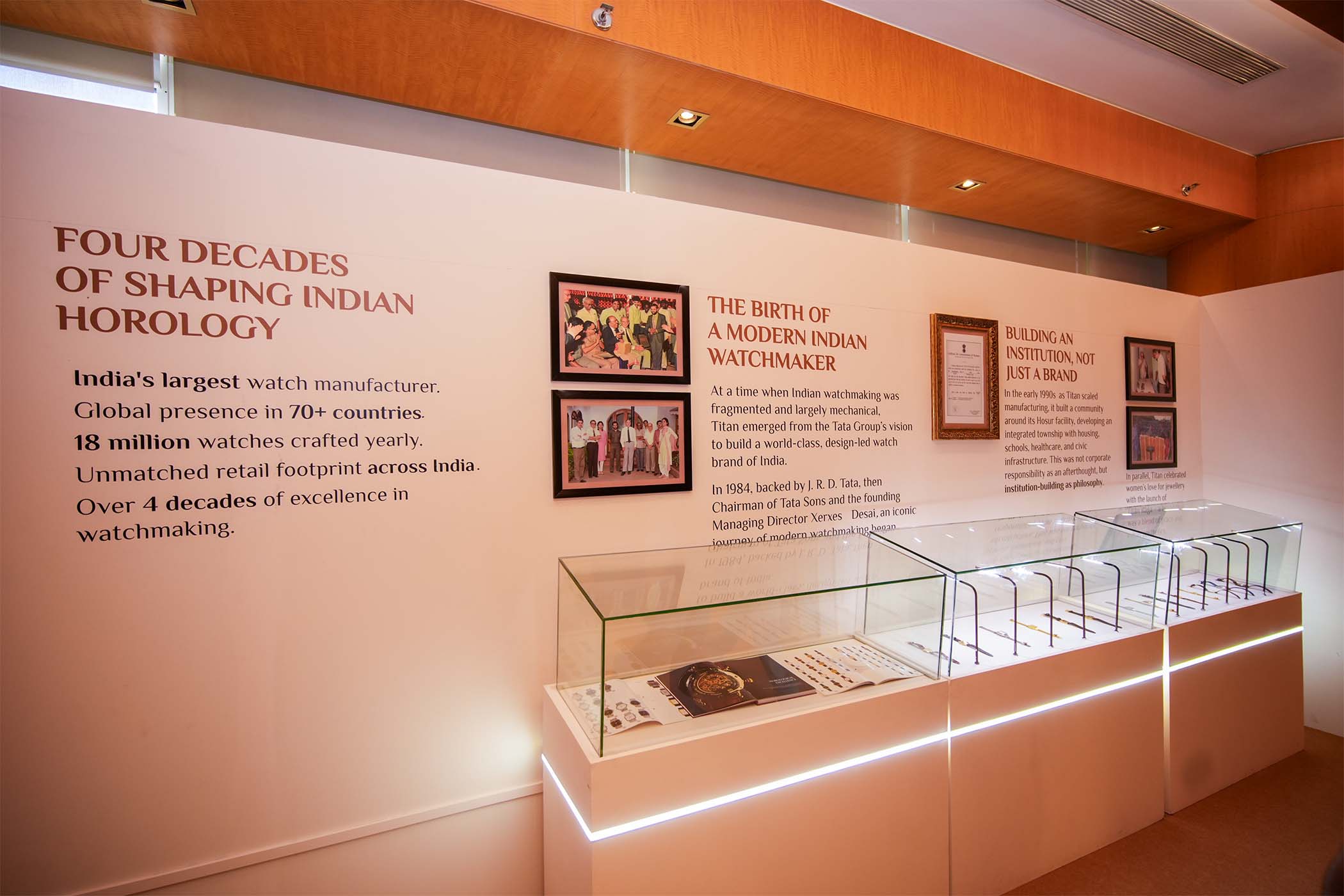
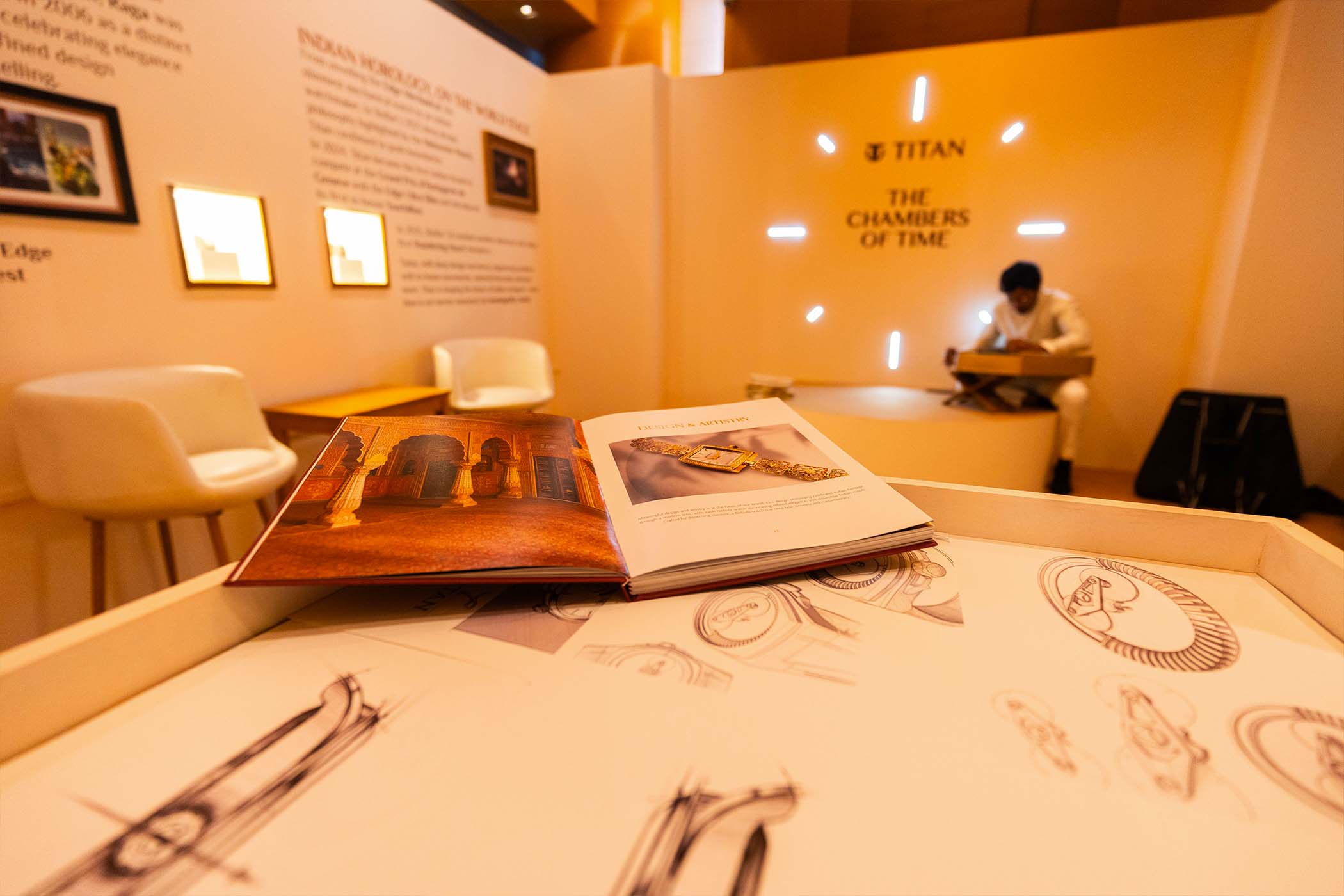
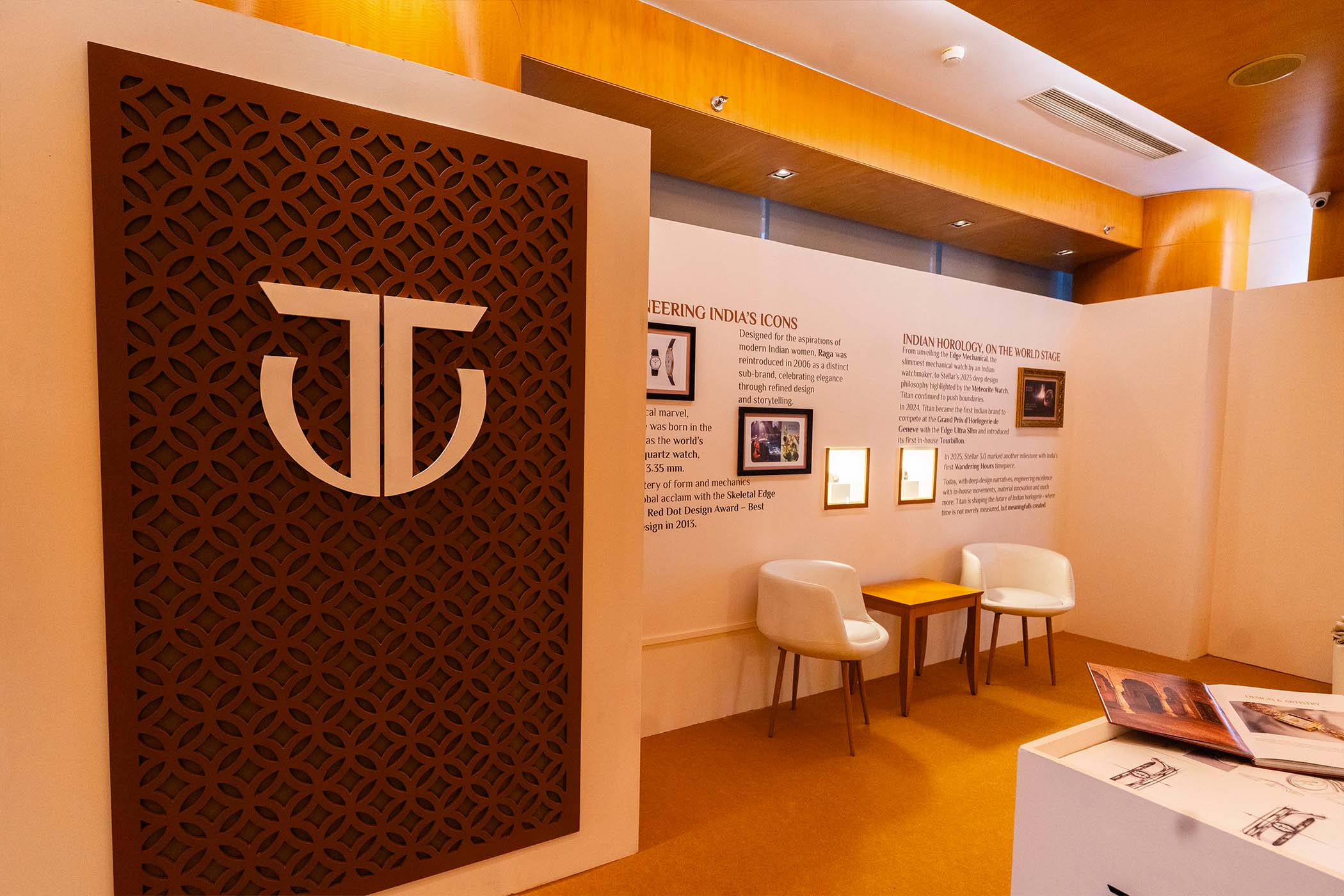
Punit: Nalla Neram is an interesting case. The founders are of Indian origin, but the brand is made in Switzerland’s Neuchâtel. That already tells you something about how Indian founders are thinking globally about watchmaking. Titan, on the other hand, was representing the full spectrum of watchmaking in India. What stood out was that they didn’t create a traditional showroom focused only on products you can buy. Instead, they curated a museum-style experience. They showed watches from their historical catalogue, pieces sourced from their museum, watches owned by collectors, and even pieces from employees’ personal collections.
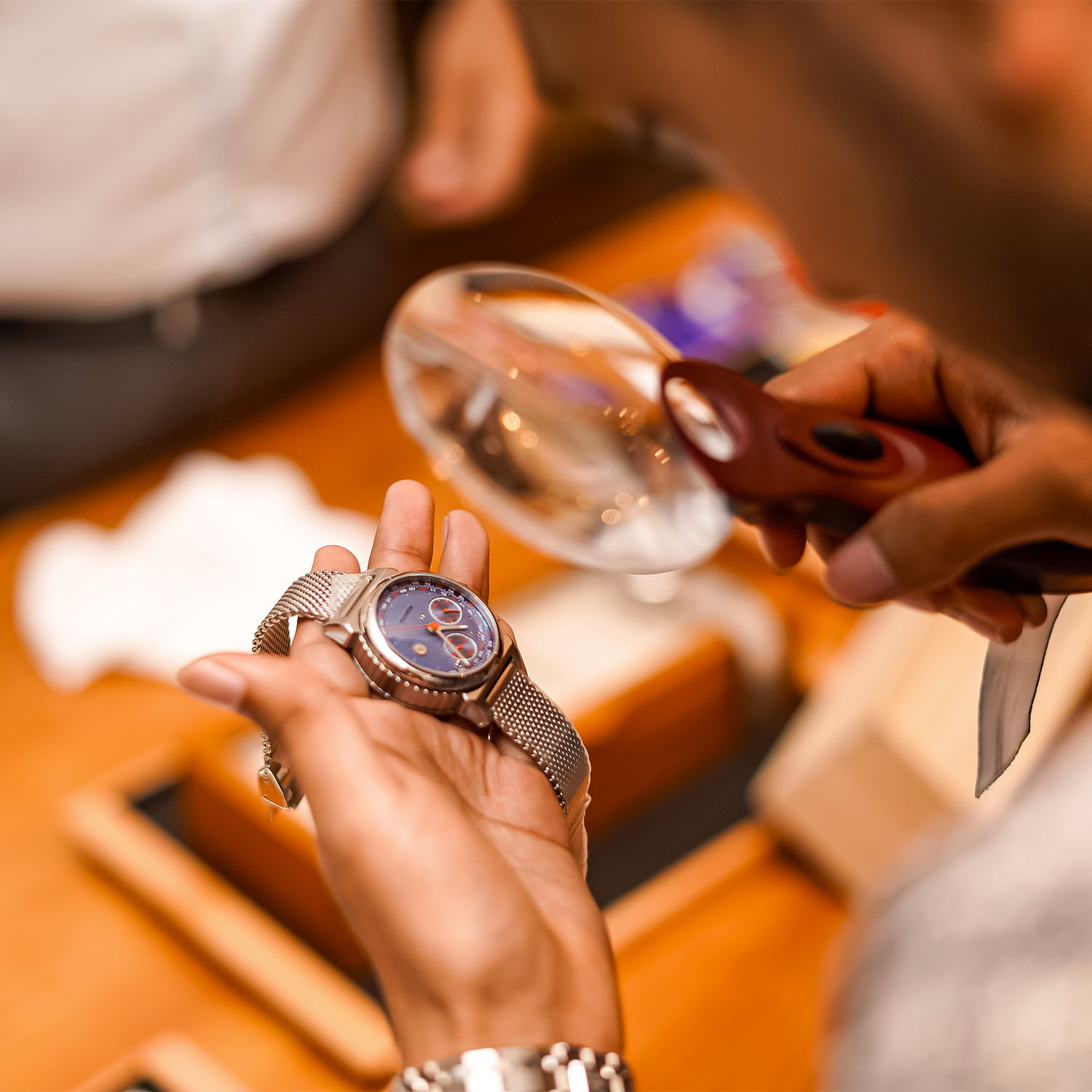
One moment that really stood out for me was seeing a Titan movement fully opened and laid out on a table under a loupe. I had never seen a Titan movement presented that way before. When a brand is given the space and genuinely invests in showcasing what it does best, that’s when things really click. Many people know collections like Raga or Nebula, often through gifting or advertising. Raga, for instance, has long been seen as a fashion accessory for women. But at the event, without celebrities or marketing campaigns in the foreground, people engaged directly with the watches themselves. They saw the product, asked questions, and wanted to know how they could own one.
What was especially interesting was seeing people move from highly technical, collector-led discussions straight into the Titan area and say, “I didn’t know this existed, but I want this watch.” Seeing, touching, and experiencing the watches made a real difference. We were very proud to have Titan there because we wanted the Indian watchmaking story to be represented by the country’s most recognisable brand. With delegates attending from over 15 countries, many of them told us they had seen Titan advertising in airports but had no idea about the depth of engineering and manufacturing behind the brand. Watching foreign delegates engage with the watches, take photographs, and genuinely explore the collection was very satisfying.
Karishma: When it comes to Indian watchmaking, Titan has done exceptional work. They truly have something for everyone, across price points and categories. From Titan Edge to Stellar, and now with more complicated pieces like wandering hours and even the launch of India’s first flying tourbillon, the range of craftsmanship on display deserves recognition. Titan has played a significant role in putting India on the global watchmaking map. A lot is happening within the company, from ceramic cases to innovative bracelet designs and flexible constructions.
By placing all of this in one dedicated space, collectors were able to slow down and really spend time understanding what Titan is doing. A lot of care also went into how the brand presented itself, from Indian musicians playing soft music to thoughtful hospitality. That attention to detail made the experience feel distinctly Indian.
India Watch Weekend is still very young. This is only the second edition, yet it is already getting attention beyond India, with top brands and FHH involved. When you look ahead, do you see this growing bigger, or is the focus first on getting the format right in India before thinking about anything else?
Punit: India Watch Weekend is very much for India. It is about inviting brands into the country and giving Indian collectors and enthusiasts the chance to experience those brands at home. At the same time, it is also an open invitation to the world. We want people to come and experience what India is today. What has been very encouraging is the support we’ve received from Indians across the globe. People from the US, the UK, Europe, the Far East, and the Middle East have supported the event in different ways. Some helped through word of mouth, others through social media, advice, introductions, or simply by encouraging people to attend. The Indian watch community worldwide has really come together around this.
At the heart of it, though, we want to stay true to what a watch weekend should be. The focus has to remain on the collector and the enthusiast, not on brands, organisers, or media. Everything we do is guided by one simple question: how do we make sure the person walking through the door has a good time and comes away having learned something? Whether the event grows bigger or stays the same size is secondary. What matters most is what collectors respond to. We may be hosting, say, 20 or 30 brands, but we are welcoming over a thousand collectors. Their feedback matters the most. Many people travelled specifically for the weekend, spending hours with us and rearranging their schedules to be there. That feedback will remain at the forefront of every decision we make going forward.
Both of you spend a lot of time telling stories through The Hour Markers watch publication, and then there is the very physical experience of India Watch Weekend. How do these two sides influence each other?
Karishma: They really are two sides of the same coin. The Hour Markers is fundamentally about knowledge and information. If you are a consumer or an enthusiast who wants to understand movements, calibres, or how watches actually work, we have tried to break that down clearly on the platform. We offer written content that people can read at their own pace, and we are also building our YouTube channel to share information in a more accessible way. India Watch Weekend grew naturally from this. I’m not sure whether to call it a by-product or simply the next step, but it made sense. In the Indian watch space, whether it’s print, digital content, smaller community gatherings, or larger events like India Watch Weekend, we’ve been able to engage across all of these formats. Together, they support each other and work hand in hand.
Big watch events have traditionally been centred around Europe. In the early days, was it difficult to get brands to commit to an event like India Watch Weekend? Do you feel brands are taking India more seriously today?
Karishma: I think brands have been taking India seriously for some time now. What was missing was the right platform. Because of our long-standing relationships with brands, there is a level of trust. I’ve been in the industry for many years, and people I worked with earlier as marketing heads are now CEOs. We’ve seen each other’s journeys, and that familiarity helps. Brands were always interested in the Indian market, and for good reason. What they needed was a platform that made sense for them to come here. India Watch Weekend helped provide that space.
Are these watch events mainly happening in Mumbai, or are you taking them to other cities as well?
Karishma: They’re happening across multiple cities. We’ve already done Chennai and Delhi, and we continue to organise pop-ups in different parts of the country. On the FHH side, The Hour Markers is the official partner of the Fondation Haute Horlogerie in India, and we are currently the only FHH partner in the country. We’re still at an early stage, and one of the goals has been to introduce a wider Indian audience to what FHH represents. There is a clear interest in this kind of knowledge and training, but unless you are already part of the watch industry, many people don’t know where to access it. We’ll be working closely with FHH to help people enrol in their programmes, take part in assessments, and eventually even become trainers themselves. FHH is a very different kind of organisation, and there is a lot of potential for how it can contribute here.
Punit: We’re also planning a roadshow with FHH, Karishma, and The Hour Markers across the country. The idea is to meet with different industry stakeholders who have shown interest and explore how FHH can help raise knowledge levels within the industry and among consumers.
This is a fun one. Watches often come with stories, whether it’s a piece you lost, broke, gave away, or simply fell out of love with. Have either of you had a watch or a moment like that which still stays with you?
Punit: There are definitely moments like missing out on a watch that was good value and then realising later that you let it slip. That can stay with you for a while, but it’s also part of the journey. That sense of regret is tied to the fun and romance of collecting. At the end of the day, watches are a passion. You do it because you enjoy it. The moment it starts causing stress, whether mental or financial, it stops making sense. A hobby should make you happy. We’ve all made mistakes along the way, but you learn to accept them as part of the process. Once you talk to enough people and gain perspective, you realise it’s all part of the fun.
Sometimes you look at your collection and wonder if you were worrying unnecessarily, or if you really needed certain watches instead of choosing something else.
Punit: That came up during one of our panel discussions on how to start a watch collection. I was moderating the session with two very experienced voices: one from FHH and another, a former Patek Philippe curator and museum engineer. Even I was learning a lot from that conversation. What became clear is that there are many ways to approach collecting. There is always a balance between the emotional and the commercial side. Sometimes it is ninety per cent emotional and ten per cent commercial. Other times, that balance shifts. It really depends on the person and where they are in their journey. When I open my own watch box today, I can see watches I probably didn’t need. I recognise those as mistakes, but I also see them as part of the journey. Over time, those decisions matter less. What stays with you is the experience and the enjoyment. I do not believe there are real mistakes in watch collecting. There is only evolution. There is no universal rulebook. It is always about the individual and their connection with the watch.
Looking back at this year’s India Watch Weekend, were there any watches or moments that really stood out for you compared to the first edition?
Punit: There were many moments, honestly. Just having so many exhibitors and brands present meant there were countless watches to experience. What really stayed with me, though, were the reactions from collectors. People kept saying things like, “There’s so much to see, two days aren’t enough.” Those moments were less about individual watches and more about what was happening around them. Collectors connecting with watchmakers, brands coordinating with each other, conversations starting at the bar and continuing late into the evening. Seeing all those connections form in real time was very rewarding. Some of the experiences also stood out. The FHH quiz was something India had never seen before. The chats and panel discussions were genuinely engaging, with guests from both the corporate and watch worlds speaking very openly and honestly.
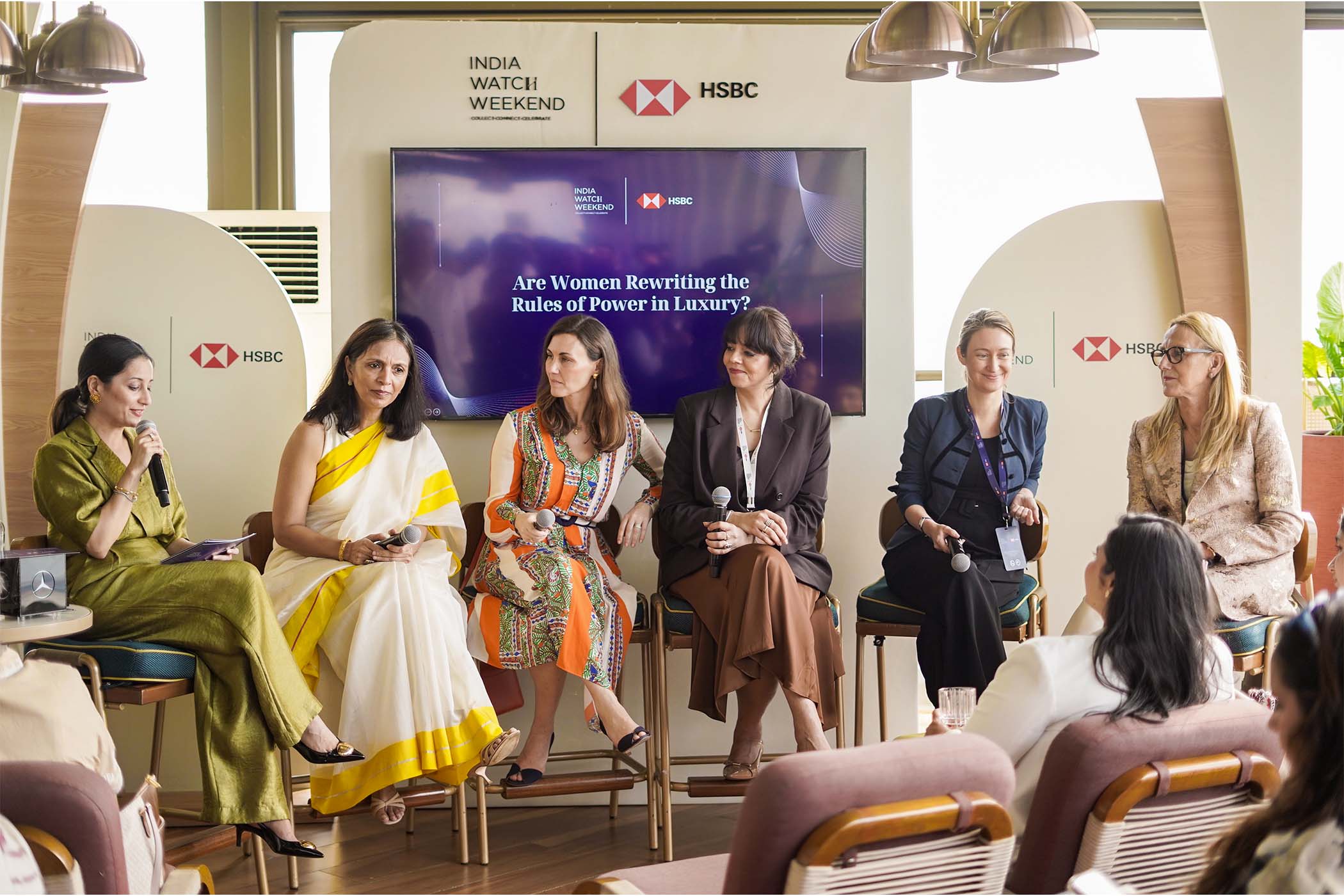
Karishma: One moment that really stayed with me was seeing CEOs playing foosball together at the table we had set up. If you think about it, that kind of interaction doesn’t usually happen at watch events. To be honest, a lot of it is still a blur because we’ve only just come out of it. Another highlight for me was the panel on women’s leadership. We had women leaders from across the watch industry, along with a founder from the furniture space. It was a powerful conversation, with thoughtful and very real questions from the audience. If I had to sum it up, what stood out most for me about India Watch Weekend is how human it felt. It’s one of the most human watch events I’ve personally attended.
Thank you, Karishma. Thank you, Punit. I really appreciate your time.
Karishma and Punit: Thank you.
For more details on upcoming events, check out thehourmarkers.com/events.


1 response
Huge respect for this duo. That kind of inclusive, passionate energy is what makes communities thrive. ???