
 Not all images were able to load for printing. Please close the print window and try again.
 The One-of-a-Kind Mercedes G-Class That Entered The Dakar Rally Four Times Can Be Yours!
Only two were ever built, but this is the sole survivor!
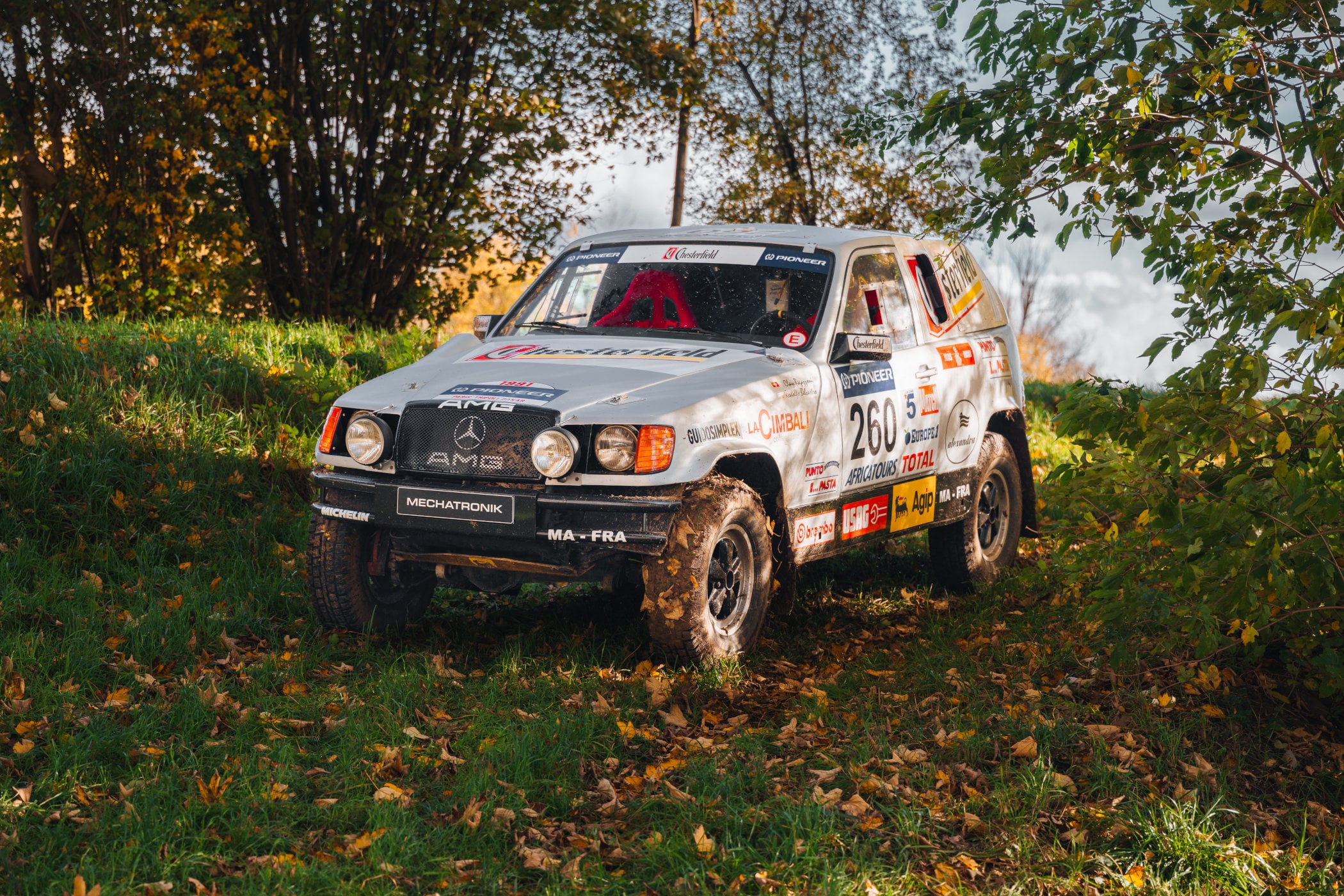
Every year, in early January, my racing heart beats a little faster for a very simple reason. It’s the men and women who bravely try to conquer the desert on two, four or more wheels for days on end. Travelling thousands of miles through the toughest terrain, it’s not for the faint-hearted. And with the 2026 edition of the legendary Dakar Rally in full swing, I happened to stumble upon a rare and ultra-cool Dakar classic! It’s one of only two cars ever built, based on the Mercedes-Benz G-Class (also known as the G-Wagon or Gelände) and has participated in the event no less than four times! It looks mighty cool, probably will survive pretty much anything you throw at it, and was piloted by a proper racing legend: Clay Regazzoni. And better yet, it’s in a running and driving condition, and can be yours! This is the wild 1980 Mercedes-Benz G 600 TE AMG!
Dakar Legends
The Dakar rally is not only legendary in its own right, it has also made legends out of countless participants, both of the human and of the mechanical kind. Names like Stéphane “Mr Dakar” Peterhansel, who won the event a staggering 14 times (6 times on a motorbike, and 8 times in a car), or Ari Vatanen, who won 50 individual stages! (tied with, surprise-surprise, Peterhansel). But it goes well beyond Dakar records alone, exemplified by Jean-Louis Schlesser, who won the 1999 and 2000 Dakar editions in a buggy he built himself, beating the works teams of Mitsubishi and Nissan.
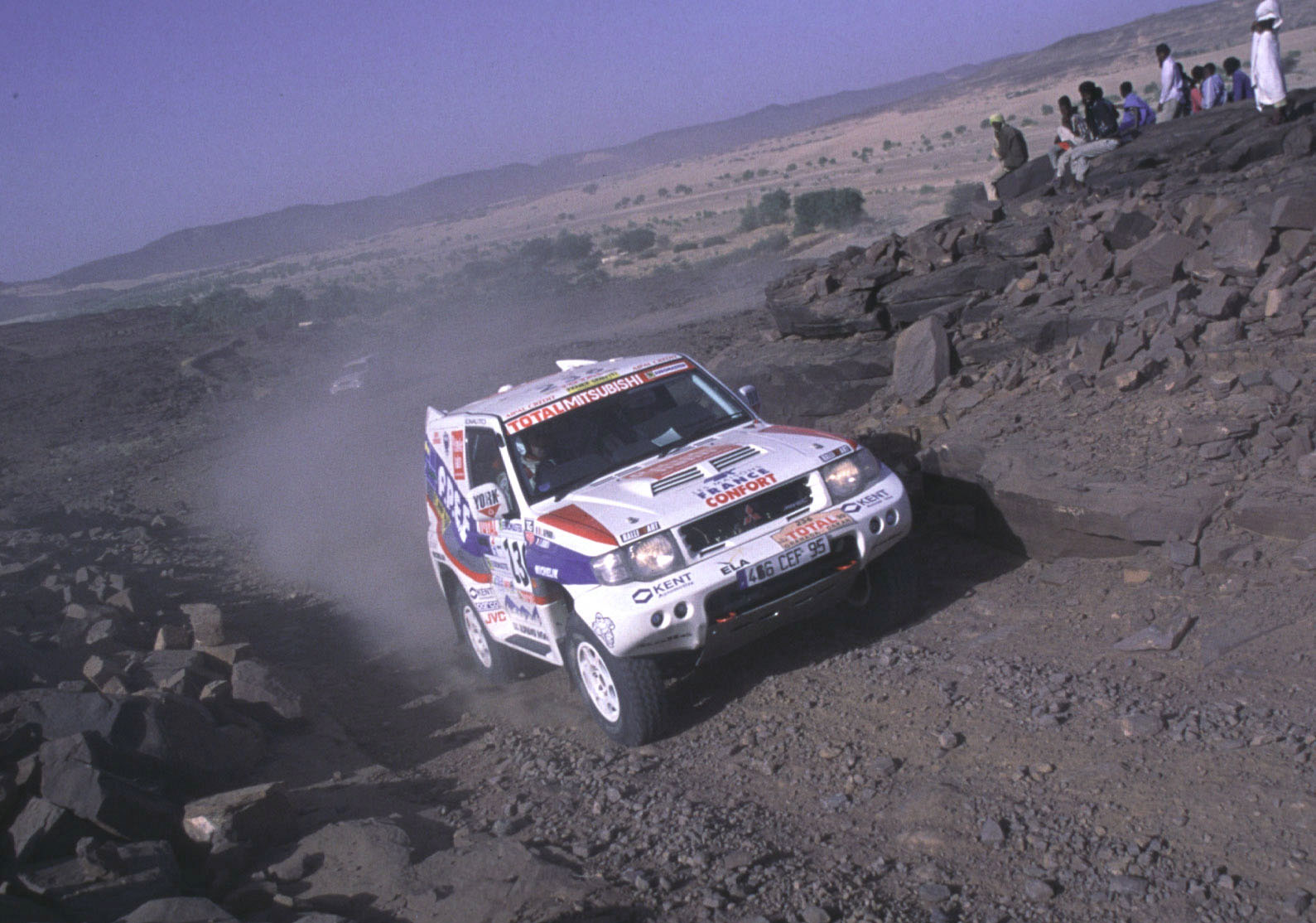
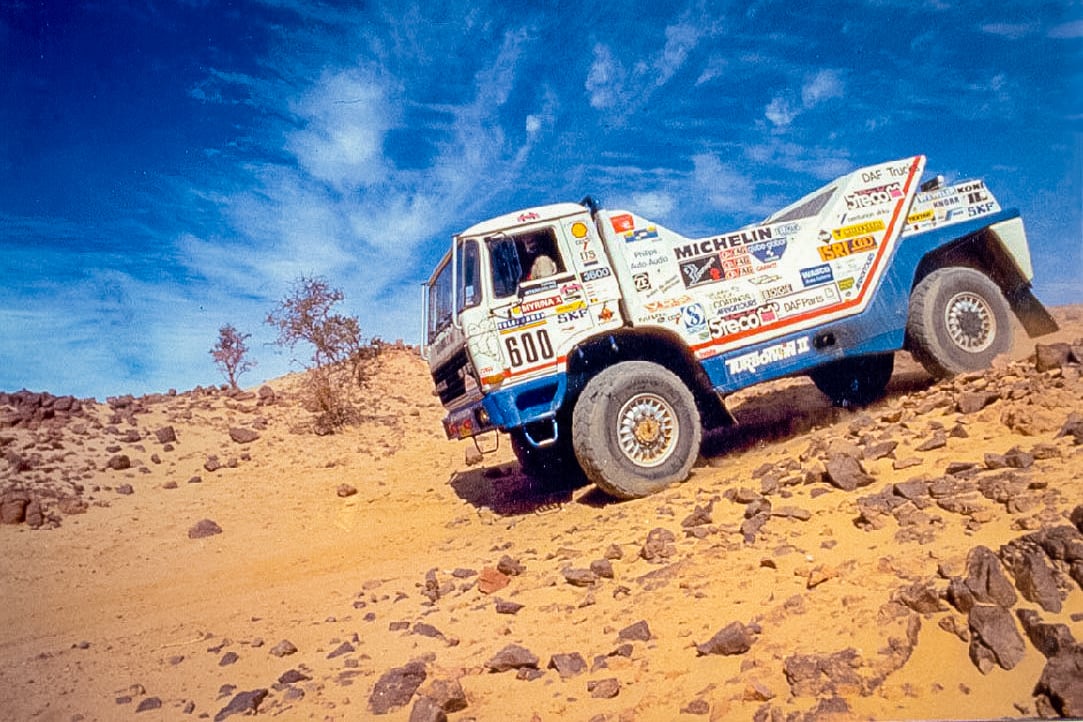
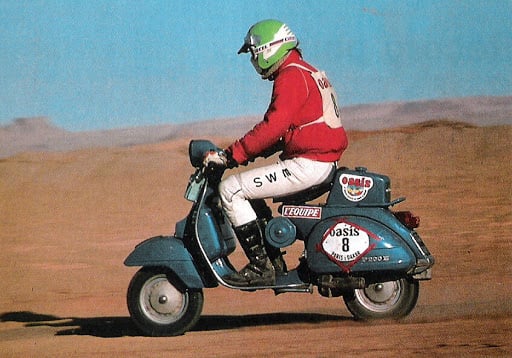
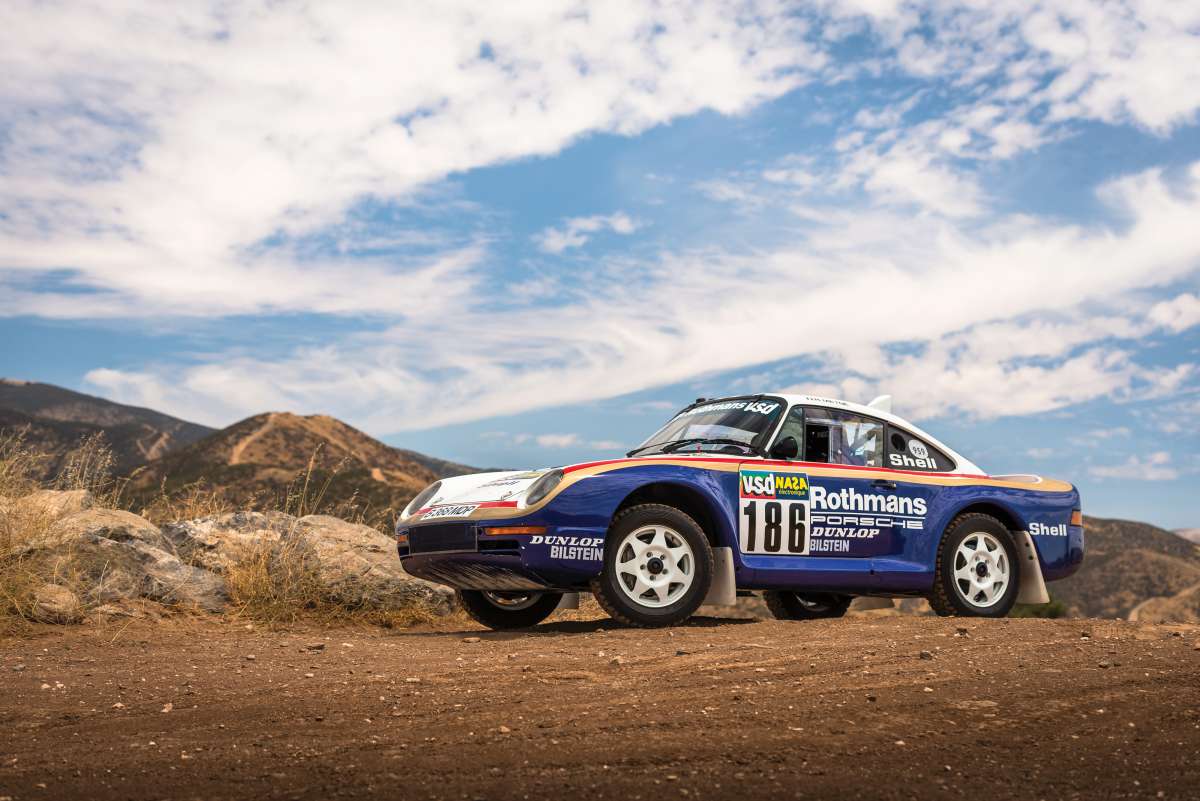
When it comes to cars, the Dakar again created legends. The Mitsubishi Pajero in all its iterations, Jan De Rooy’s 1,200bhp twin-engined DAF 95 TurboTwin X1, the Rothmans-liveried Porsche 959, and plenty of others immediately come to mind. Go down the rabbit hole a little deeper, and cars like the Rolls-Royce Corniche by Thierry de Montcorgé make an appearance, as well as a Vespa Scooter, a twin-engined Citroën 2CV and even a Toyota Land Cruiser with an actual chip fryer in the back have all competed in the gruelling event. But the Mercedes-Benz G 600 TE AMG is perhaps one of the coolest to ever do so!
G-Wagon in Disguise
If by uttering the words G-Wagon or G-Class you get visions of tarted up ultra-luxurious high-street toys driven by the rich and famous, I can’t blame you. After all, in today’s fast-paced and often “look at me” world, it’s what we see in movies, TV shows and even in the streets. But there was a time when a G-Wagon was nothing more (or less) than one of the very best off-roaders ever made. The lineage of the G-Wagon goes back to 1972, when Mercedes-Benz started the development of a military utility vehicle designed to tackle even the most brutal types of terrain. Together with Steyr-Daimler-Puch, they came up with the Gelände (Terrain, in German), which entered production in 1979. That same year, a civilian version would also be introduced. And although still very capable as an off-roader, it was also quite a utilitarian and spartan car, with few luxury amenities on board.
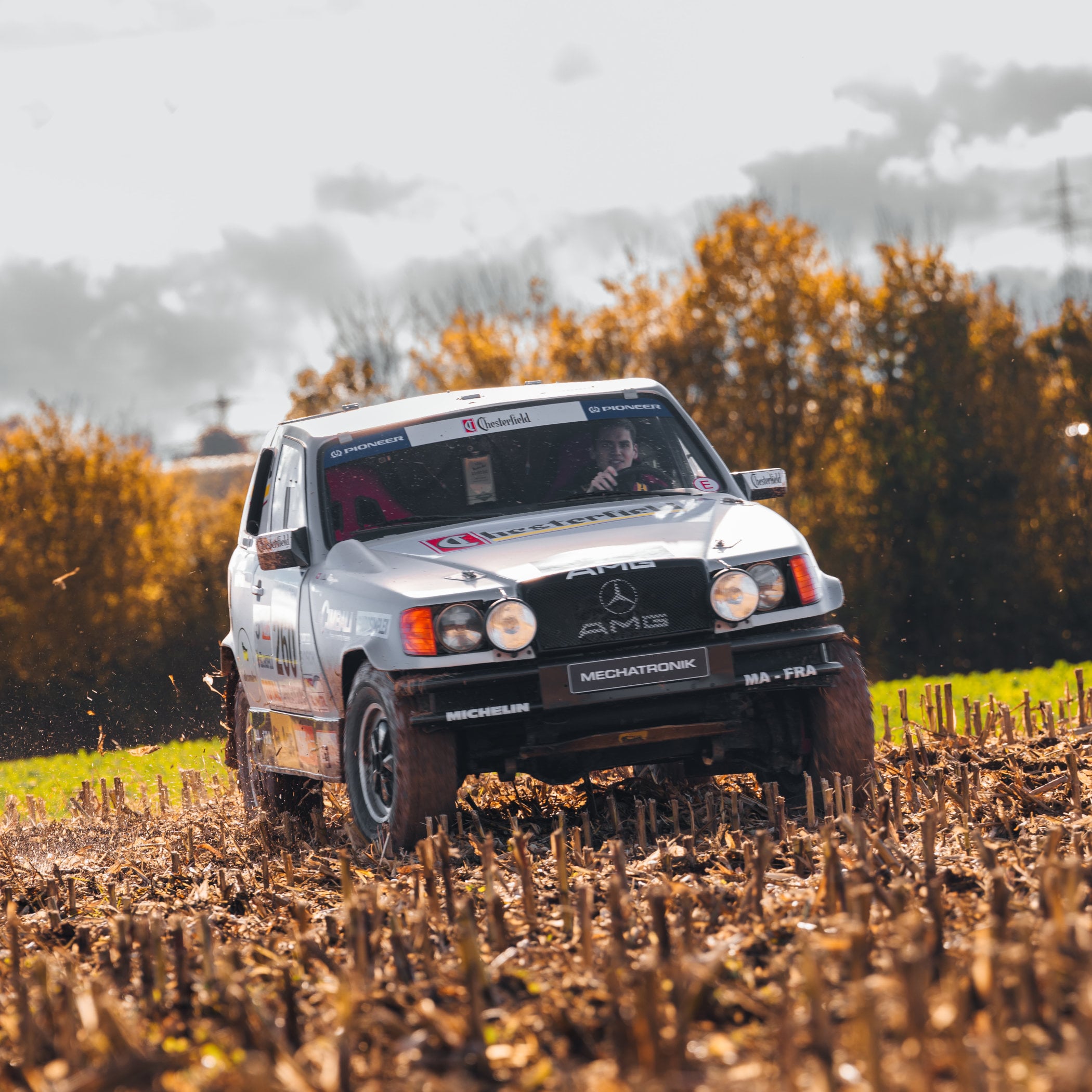
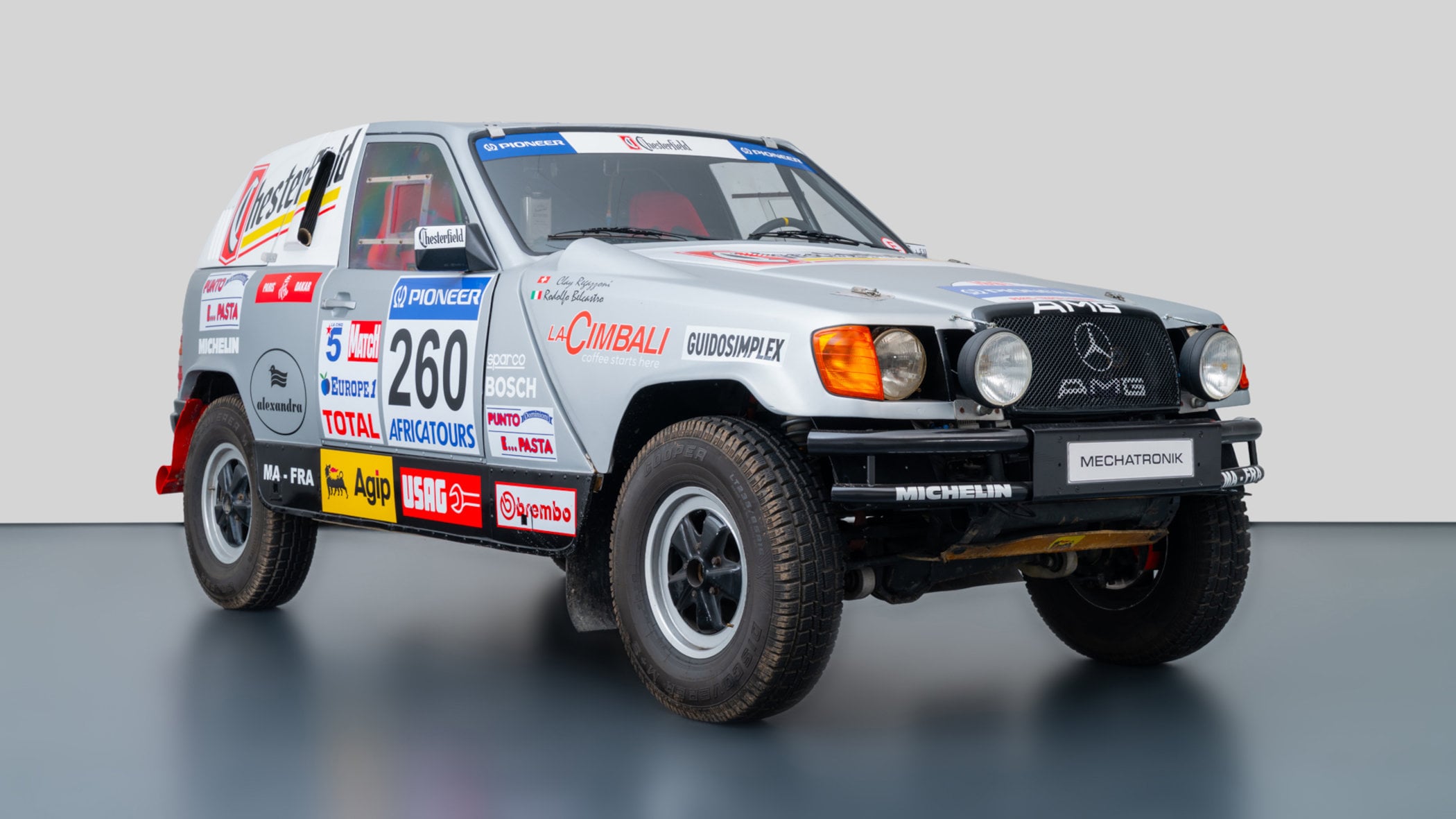
Over time, it grew to almost cult-like status and eventually became a proper luxury vehicle frequently seen in music videos and movies, or driven around by celebrities. The G 600 TE AMG, though, started life as a rough-and-tough first-gen Gelände, but it has been extensively modified for a very clear purpose: to conquer the harshest environments imaginable. And that includes the Dakar rally, which it has done not once, but four times! The result of a collaboration between Mercedes-Benz and AMG, separate companies back then, it used a production-based 1980 Gelände and turned into something ultra-cool, of which only two have ever existed, and this one is believed to be the sole survivor.
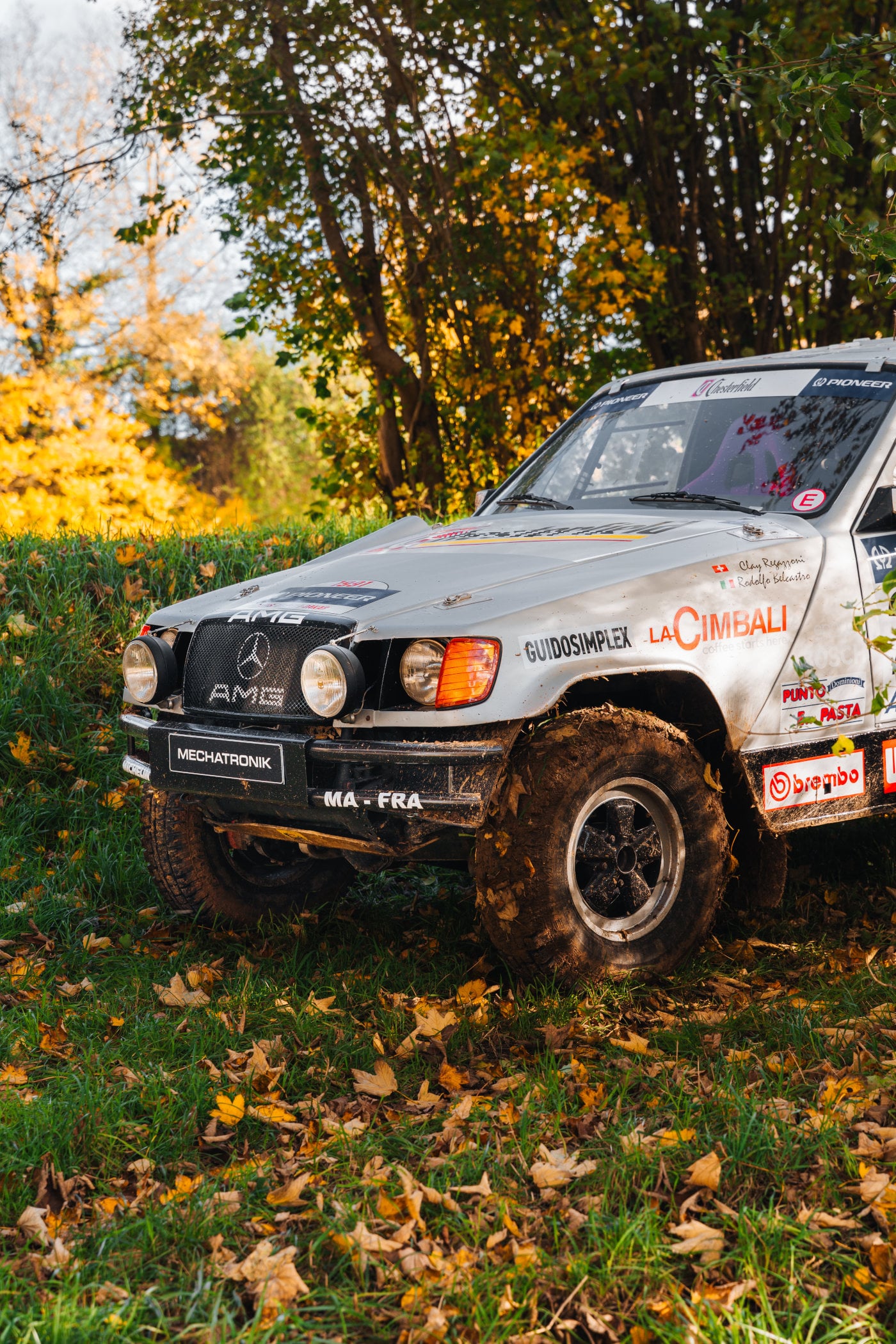
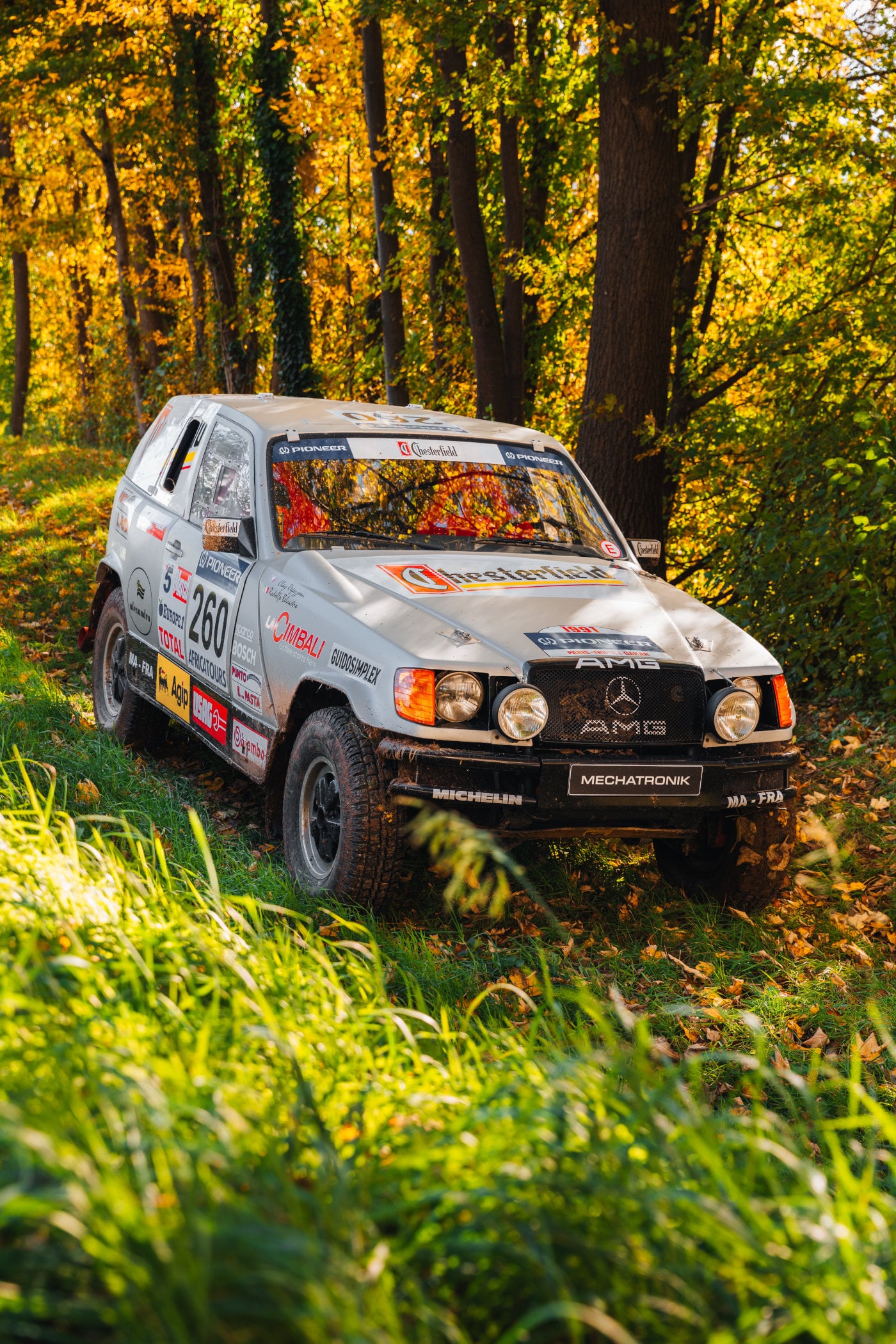
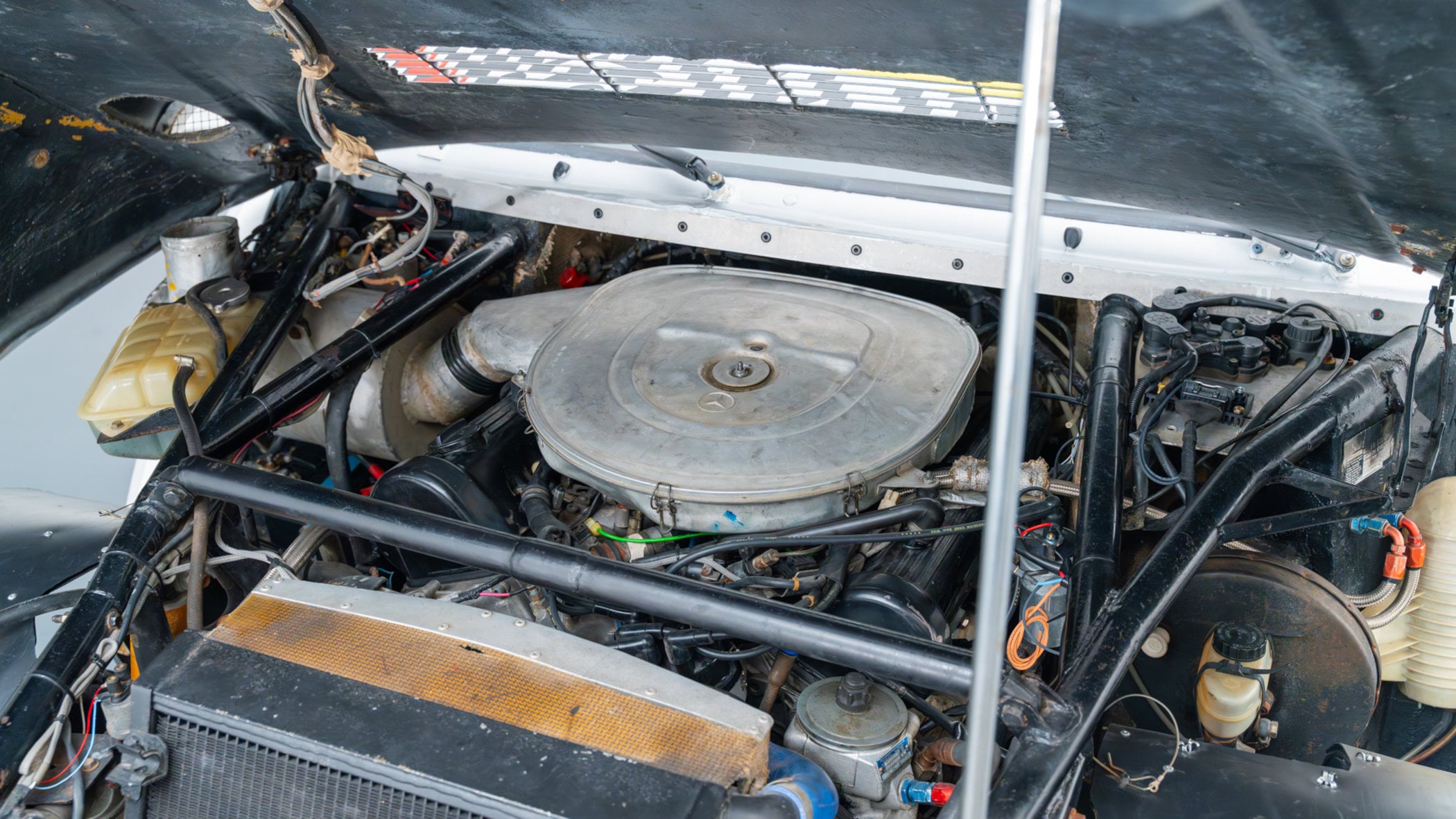
Modifications include the monstrous V8 from the Mercedes-Benz 126-series S-Class (the M117, for all you hardcore Merc-enthusiasts), then the most powerful production engine by Mercedes-Benz. The engine was enlarged to 6 litres of capacity, and produced 331bhp and 520Nm of torque, a considerable amount of power in a rally car at the time! It was also placed as far back as possible to benefit weight distribution and improve its centre of gravity and handling. Naturally, the chassis and other drivetrain components were beefed up to not only deal with the new power unit, but also to tackle rocks, gravel, sand and whatnot. A roll cage was installed, and a full safety system to comply with the Dakar’s regulations. A massive fuel tank with a capacity of 450 litres was also installed, just to quench the thirst of that big beast of an engine.
Initially, it used a classic G-Wagon style body, although made out of fibreglass, kevlar and aluminium instead of steel to save considerable weight. It made its competitive debut in the 1989 Paris-Dakar rally. Its first outing didn’t go according to plan, as an incident caused a breakdown later on, and the car retired from the event. A year later, it turned up to the start again, but this time with a remodelled exterior.
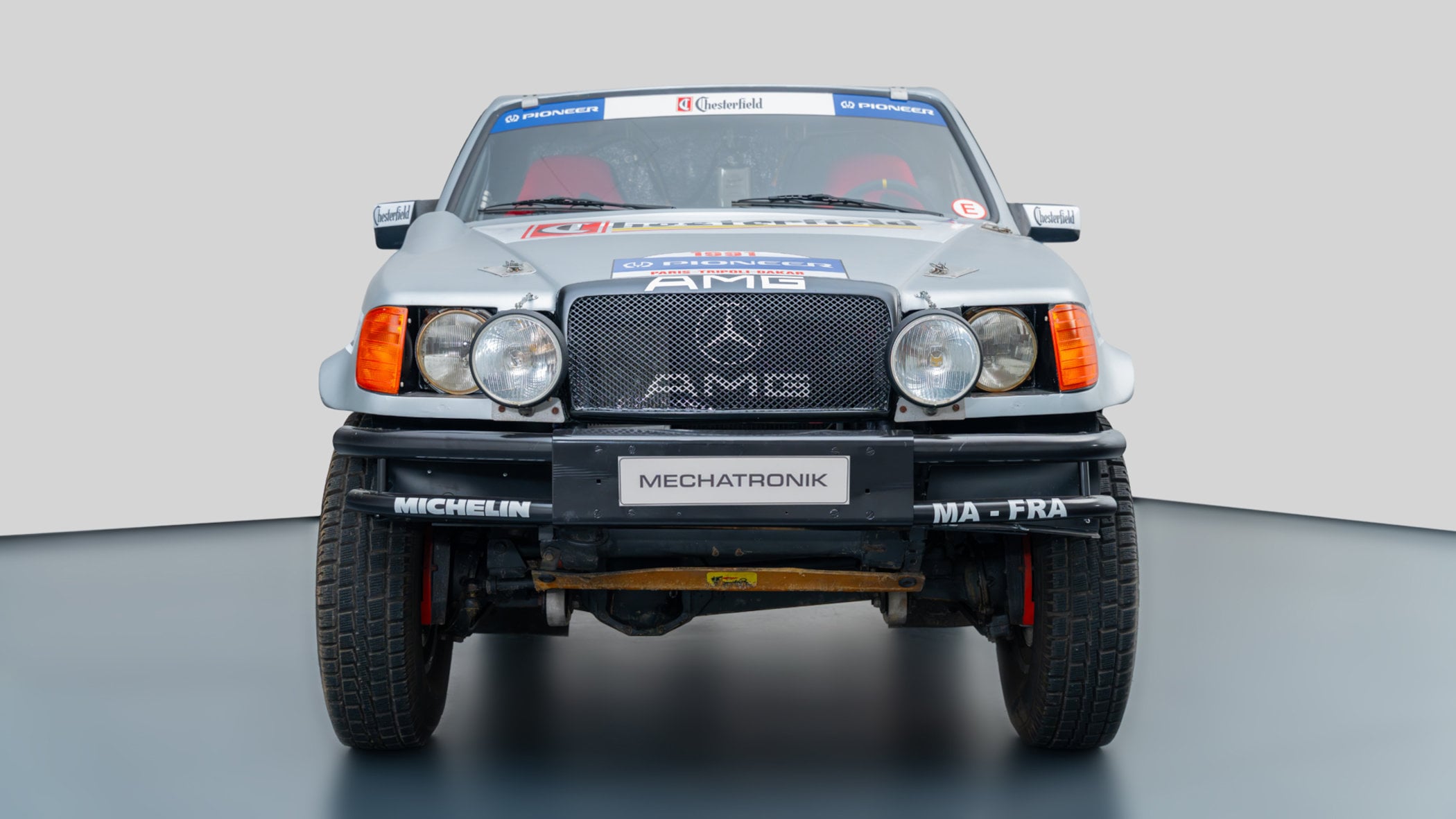
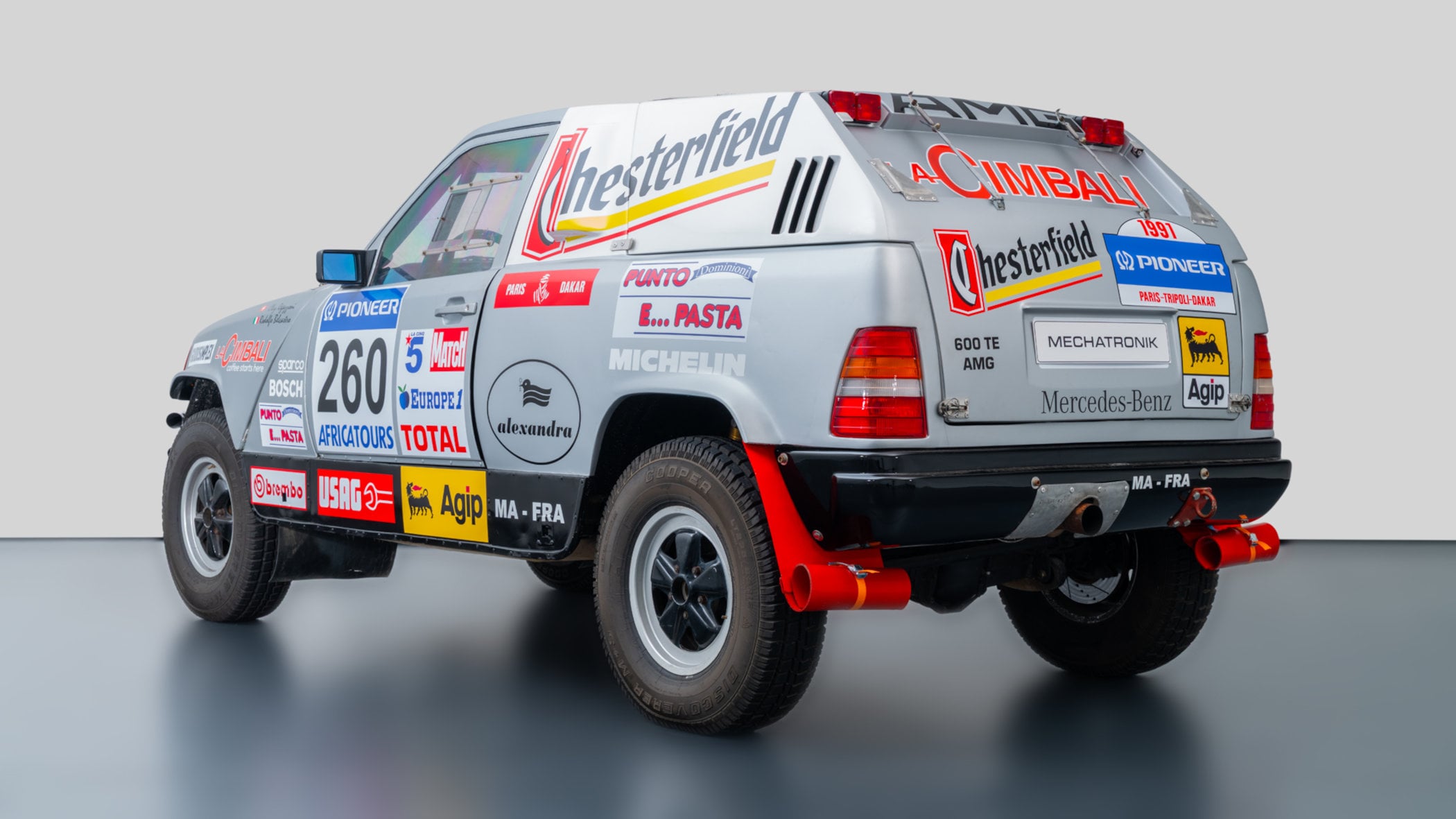

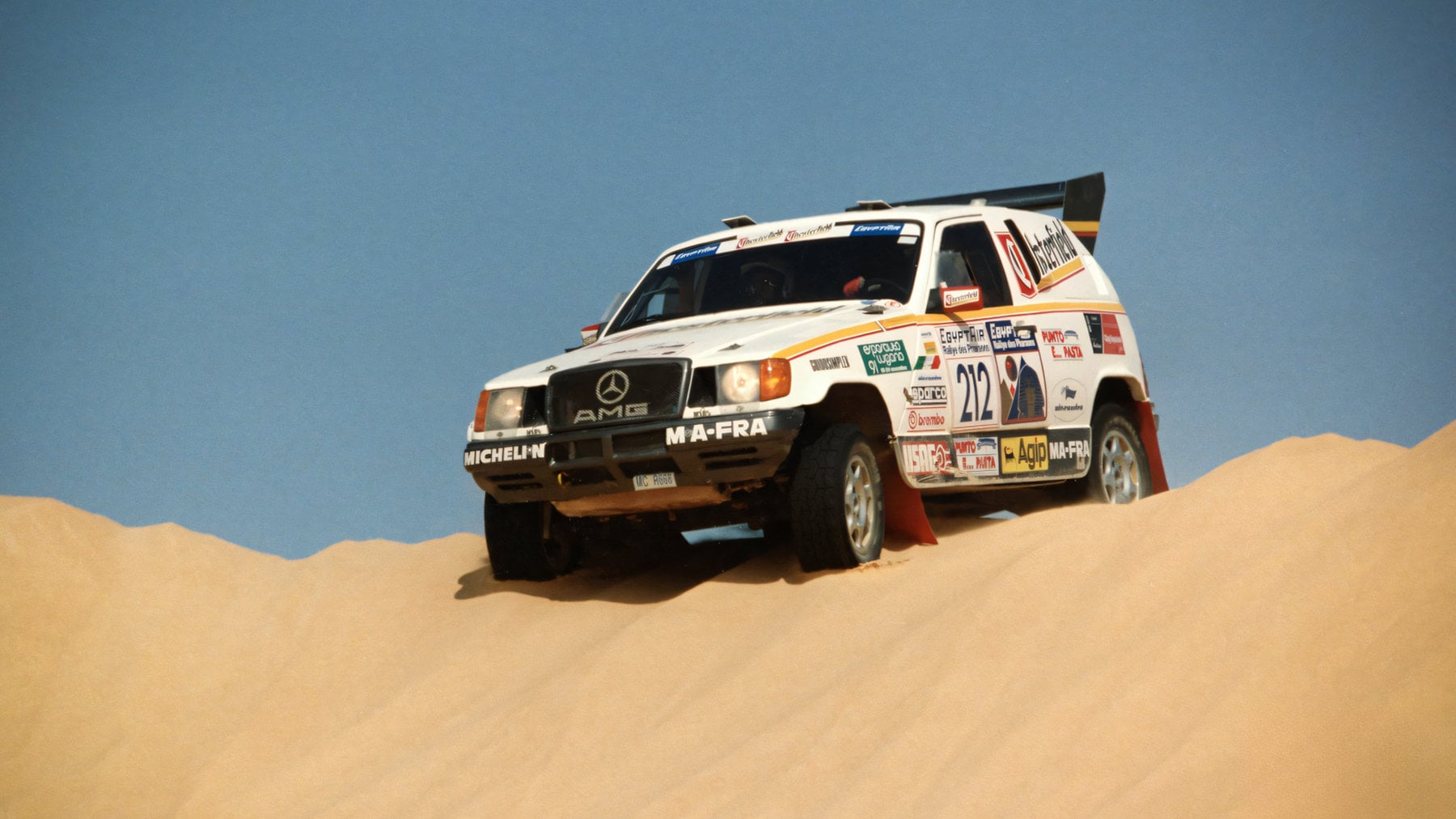
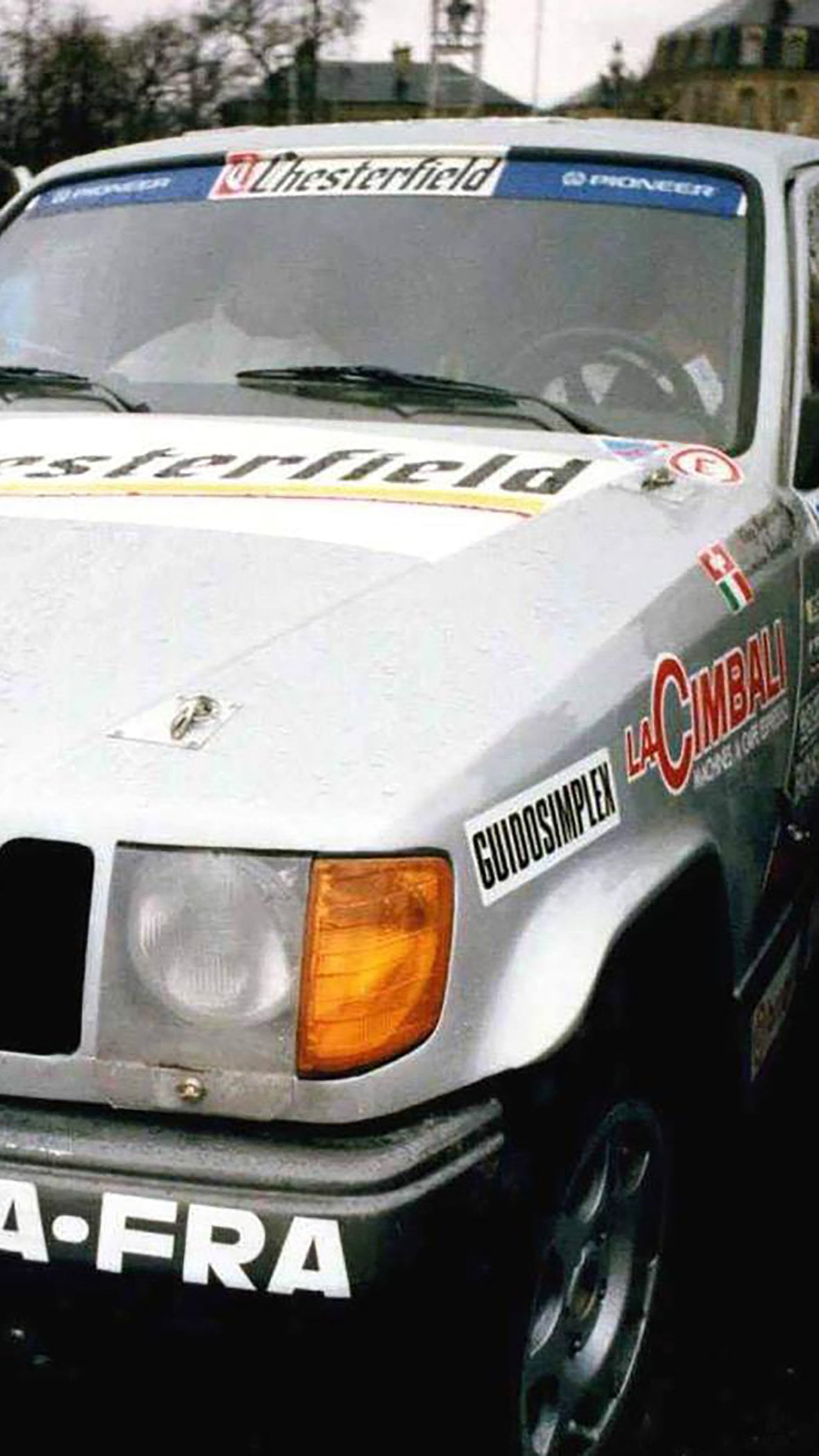
Gone was the boxy Gelände shape, which was replaced by the slightly more curvy and streamlined exterior you see here. The most notable change, perhaps, is the big S-Class radiator grille up front and the new rear cover. Then, in 1991, an unfortunate defect in the harbour of Marseille, from where the Paris-Dakar made the crossing to Africa by ferry, meant a very early retirement. The car’s latest entry in the Dakar rally was in 1992, but it wasn’t the final stage of its career. During its competitive life, it also competed in other endurance rallies, such as the Rally of the Pharaos (see below) and the Baja Espana.
Piloted by a true Legend
As mentioned in the intro, this car is very closely related to one of the F1 greats, Swiss racing driver Gianclaudio Giuseppe “Clay” Regazzoni. Making a name for himself in Italy in the early-1960s racing Austin-Healey Sprites, Mini Coopers and other lightweight stuff, he switched to open-wheel Formula-type racing in 1965. Moderate success landed him a deal with Tecno, who supplied him with a car for the 1967 F3 season, and eventually moved him up to Formula 2. By 1970, he had switched to Ferrari, and together they won the 1970 European Formula 2 Championship, and it was time for the big leagues.
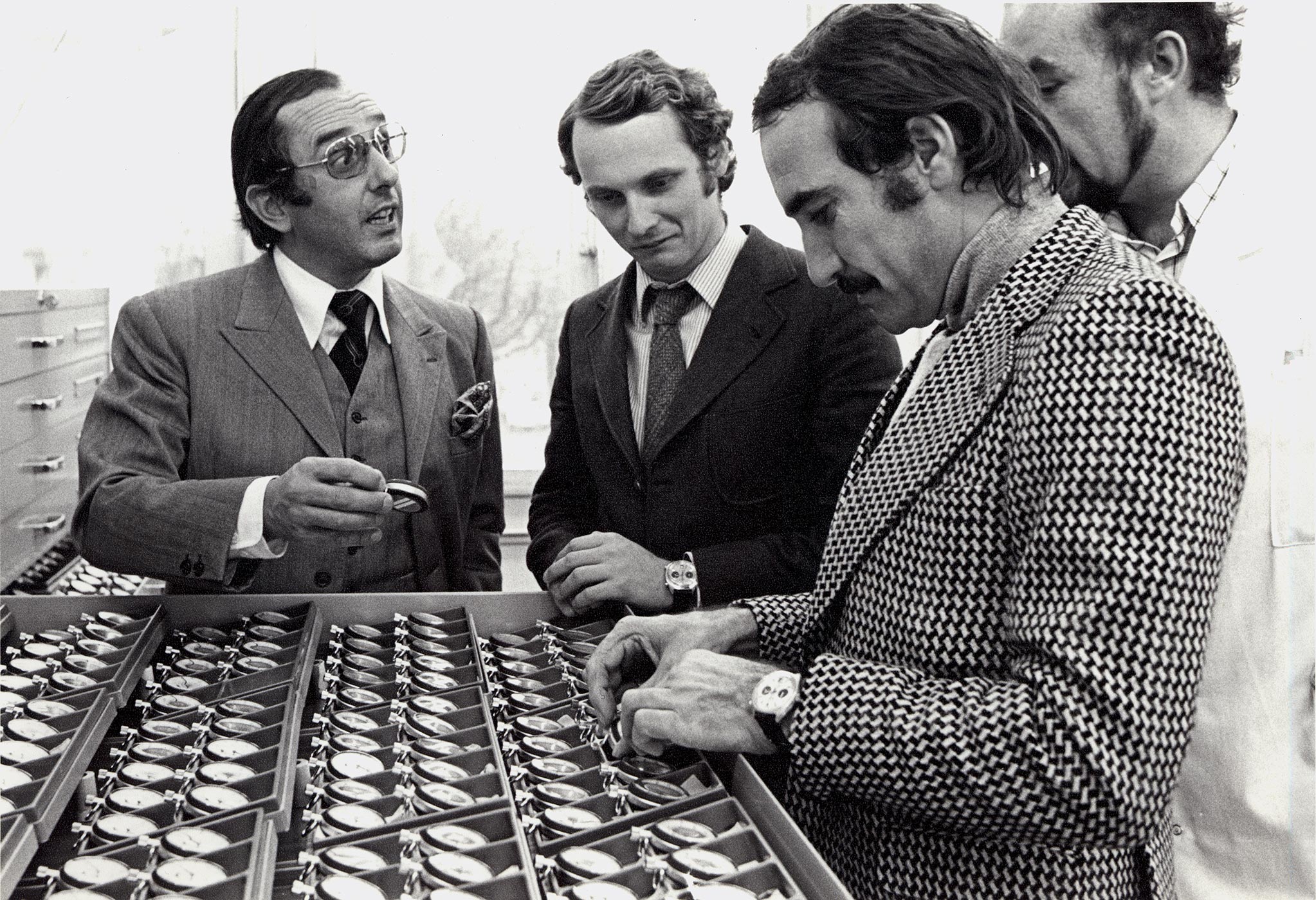
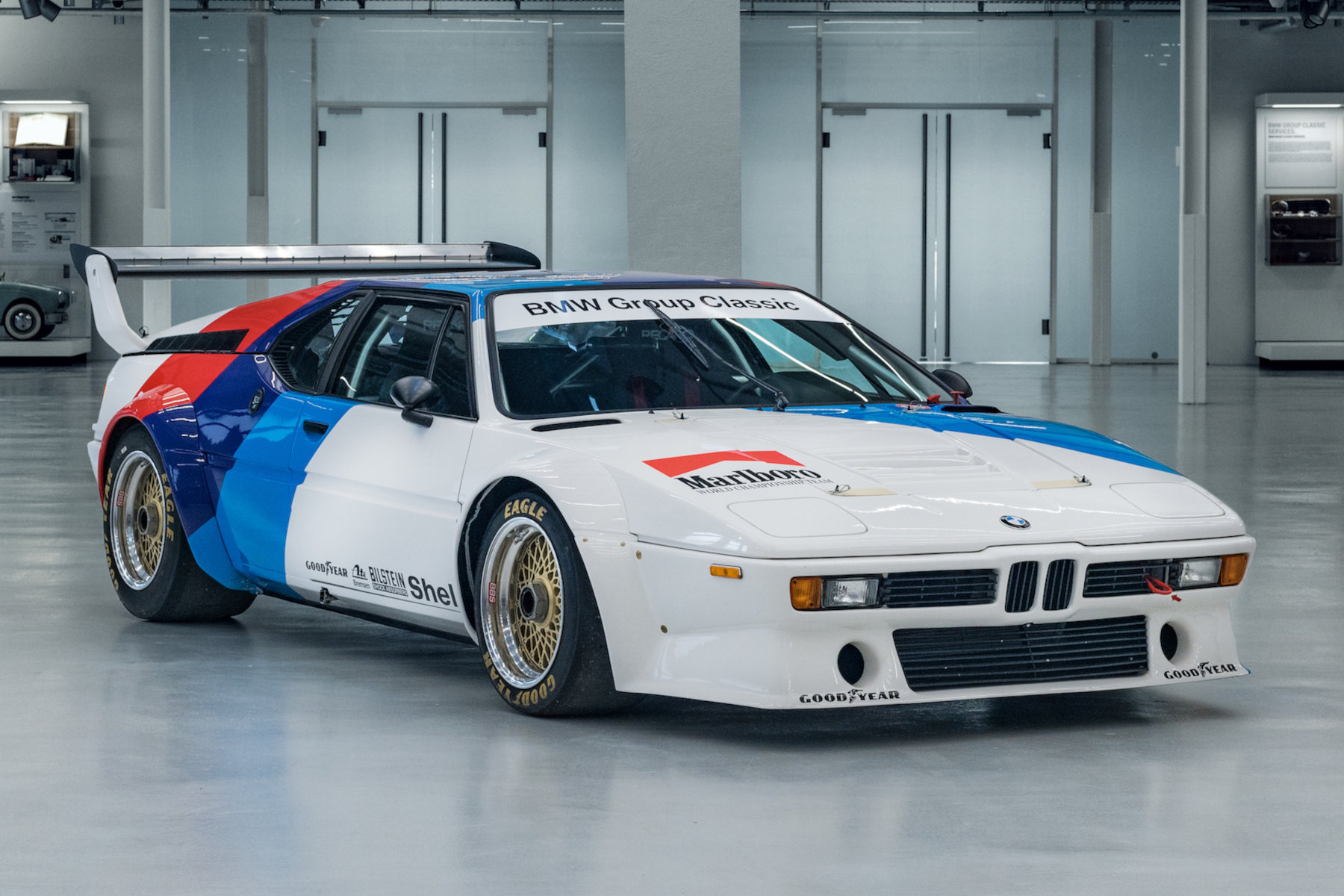
He raced in Formula 1 for various teams, including two stints with Ferrari (1970-1972 and 1974-1976). Over the course of a decade, he won 5 races and finished on the podium 30 times in total. He finished third in the 1970 championship and second in the 1974 season, both driving for Ferrari despite a stint with BRM in 1973. Outside of Formula 1, he also competed in the BMW M1 Procar Championship, raced at Le Mans (although only once) and other endurance events with Ferrari, winning the Monza 1000km race in 1972.
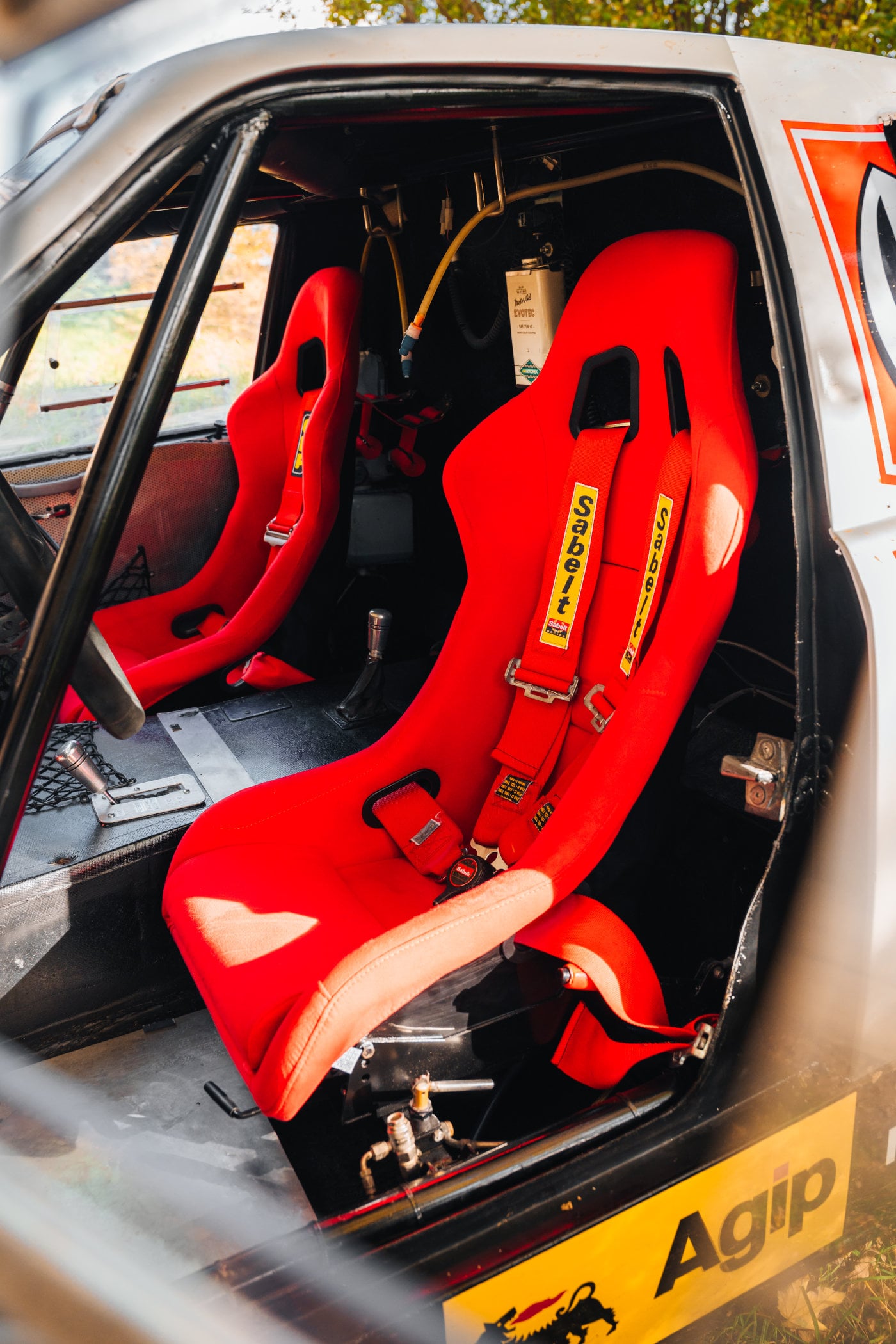
During the 1980 United States Grand Prix, driving for Ensign at the time, Regazzoni’s brake pedal failed, which sent him off at high speeds and into the stricken car of Ricardo Zunino. The resulting crash left him unconscious for several minutes and ultimately paralysed from the waist down. Although it ended his F1 career, Regazzoni wasn’t done with racing. Despite his misfortune, he was determined to race again, regaining his license and ultimately becoming one of the first disabled drivers in top-level racing series using hand-controlled cars. If you work out the timeline, that also means he piloted this G 600 TE AMG with hand controls, which are believed to be visible in the image below and to the right. His work and perseverance also paved the way for other disabled drivers. Clay Regazzoni raced on into the early 1990s and passed in the year 2006 following a crash in his Chrysler Voyager.
Mechatronik
The Mercedes-Benz G 600 TE AMG that Regazzoni used on his four Dakar adventures stayed with him until his unfortunate death. His family then sold it to someone who entered it into various classic rally events, such as the 2008 Transafricane Classic. The car was converted to regular pedal controls at one point in time and is now in running and driving condition, and up for sale with Mechatronik, a specialist car dealer near Stuttgart, Germany. It’s listed with an asking price of EUR 499,000, which sounds like quite the sum of money for sure, but there’s not a second one in existence! Plus, the fact that it was built by Mercedes-Benz and AMG, competed in the Dakar, and was raced by Clay Regazzoni, adds a lot to its cool-factor!
For more information, please visit Mechatronik.de.
Editorial Note: The information used and images portrayed in this article are provided by and used with permission of Mechatronik, or part of our own database, unless stated otherwise.