
 Not all images were able to load for printing. Please close the print window and try again.
 Land Rover Takes the Mad Defender Octa to Dakar, as it Unveiled the Defender D7X-R
The legendary off-roader, now more often scouring the High Streets rather than the Highlands, returns to competitive rallying as it enters the 2026 Dakar!
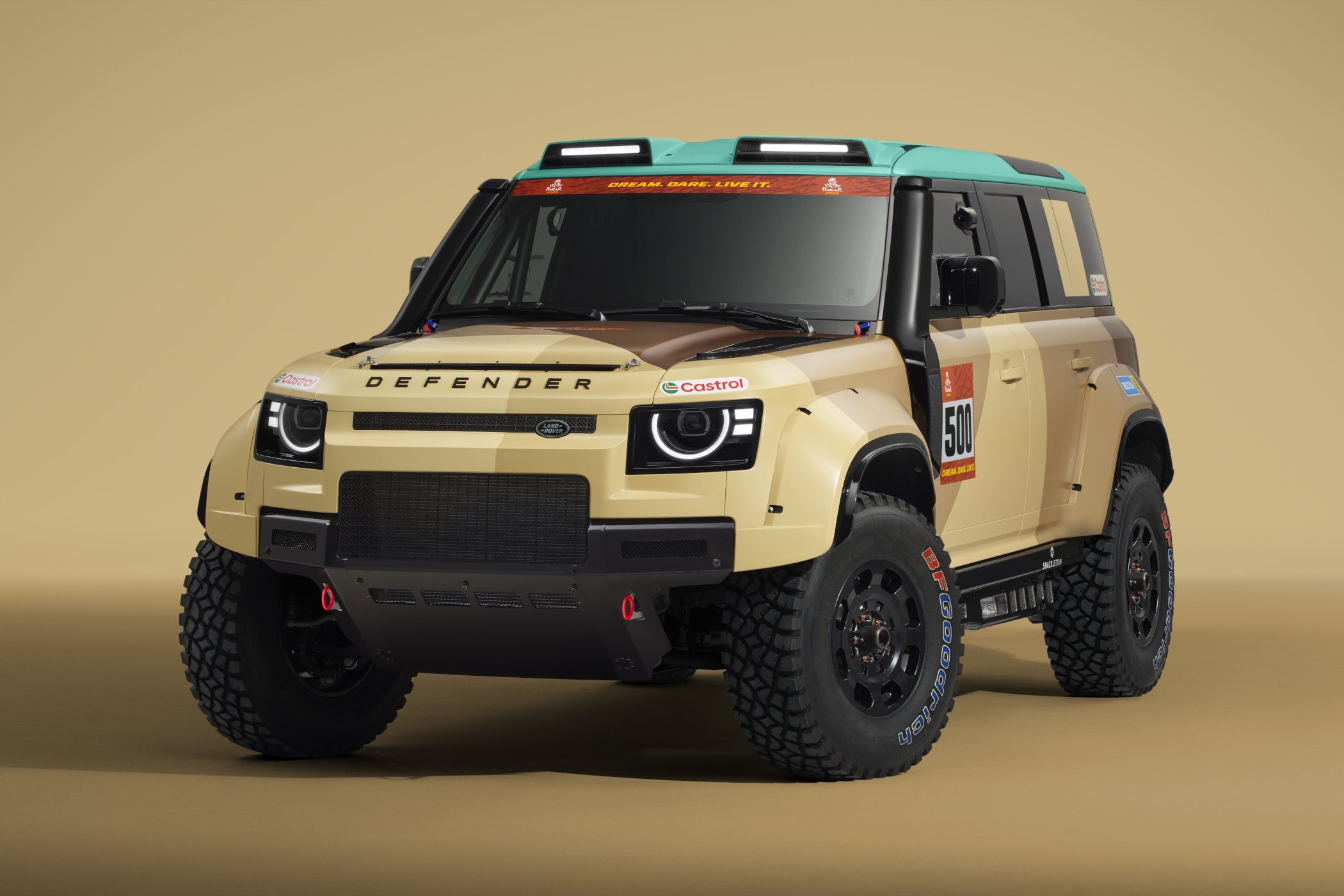
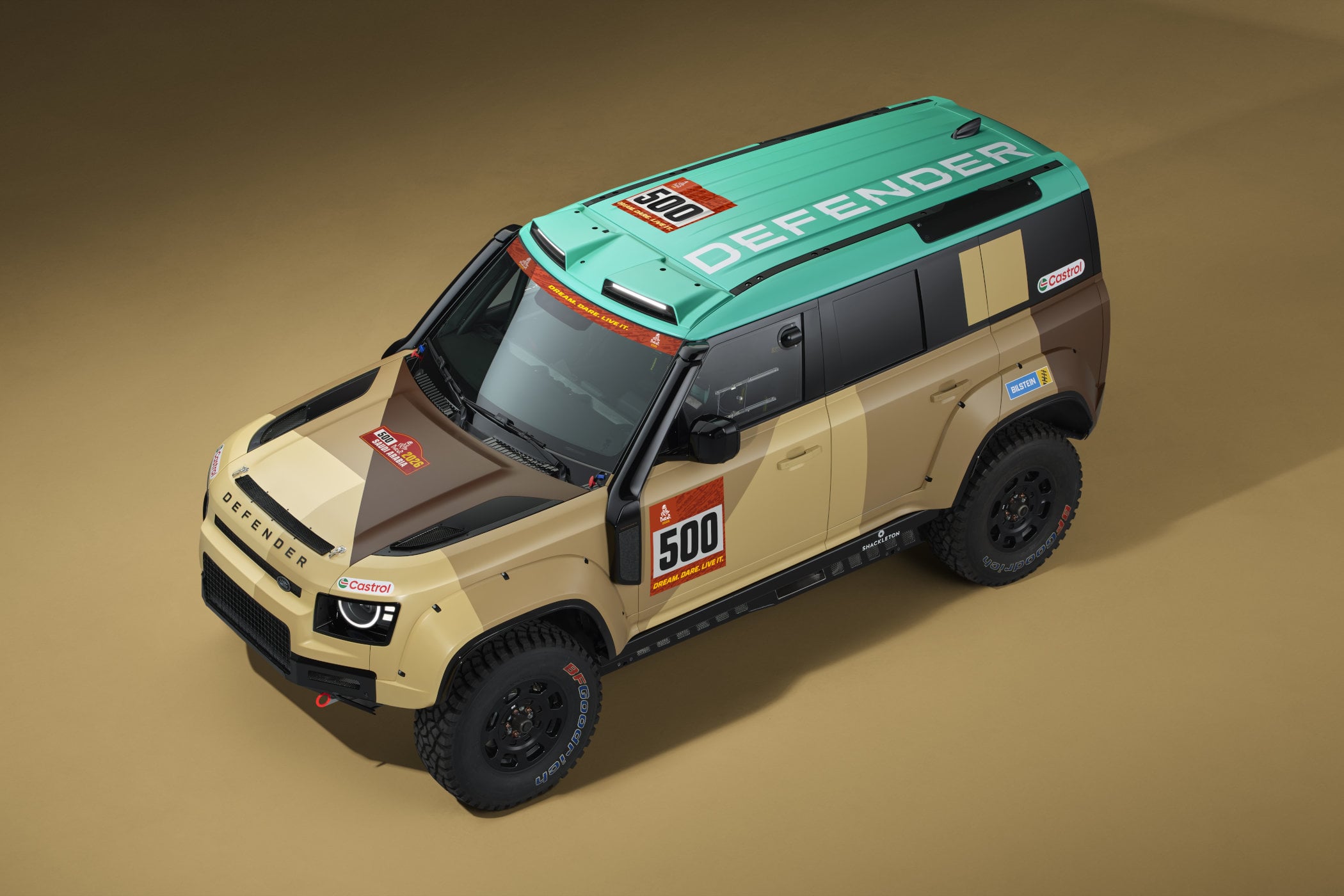
It’s almost that time of the year again, when the bravest of the brave flock to Saudi Arabia for the annual Dakar Rally adventure. Held almost every year since 1979, it originated as a point-to-point off-road event from Paris, France, to Dakar, Senegal. While the rally faced issues in the mid-200s that forced the organisation to move to South America, and later to Saudi Arabia, the Dakar name stuck. Racing across the mighty Saudi dunes, rock-riddled mountain roads, and so on with the aim of making it to the finish line after 14 days and more than 8,000 km is no easy task, to put it mildly. This year sees more entries than last year’s edition, with one entry making major headlines weeks before the kick-off: Land Rover! For the first time ever, it will enter as a works- or factory team, qualifying for the Stock class with the Defender D7X-R.
An Off-Roading Legend
While currently it’s known under the name Defender, the origins of what is widely regarded as the greatest off-roader in automotive history began life in quite a humble form. Simply named the Land Rover, it made its debut in 1948 as a light commercial vehicle destined for farm work, or running around on construction sites and such. Designed by Maurice Wilks, it was a brilliantly simple machine, easily adapted to whatever was needed and capable of going pretty much anywhere.
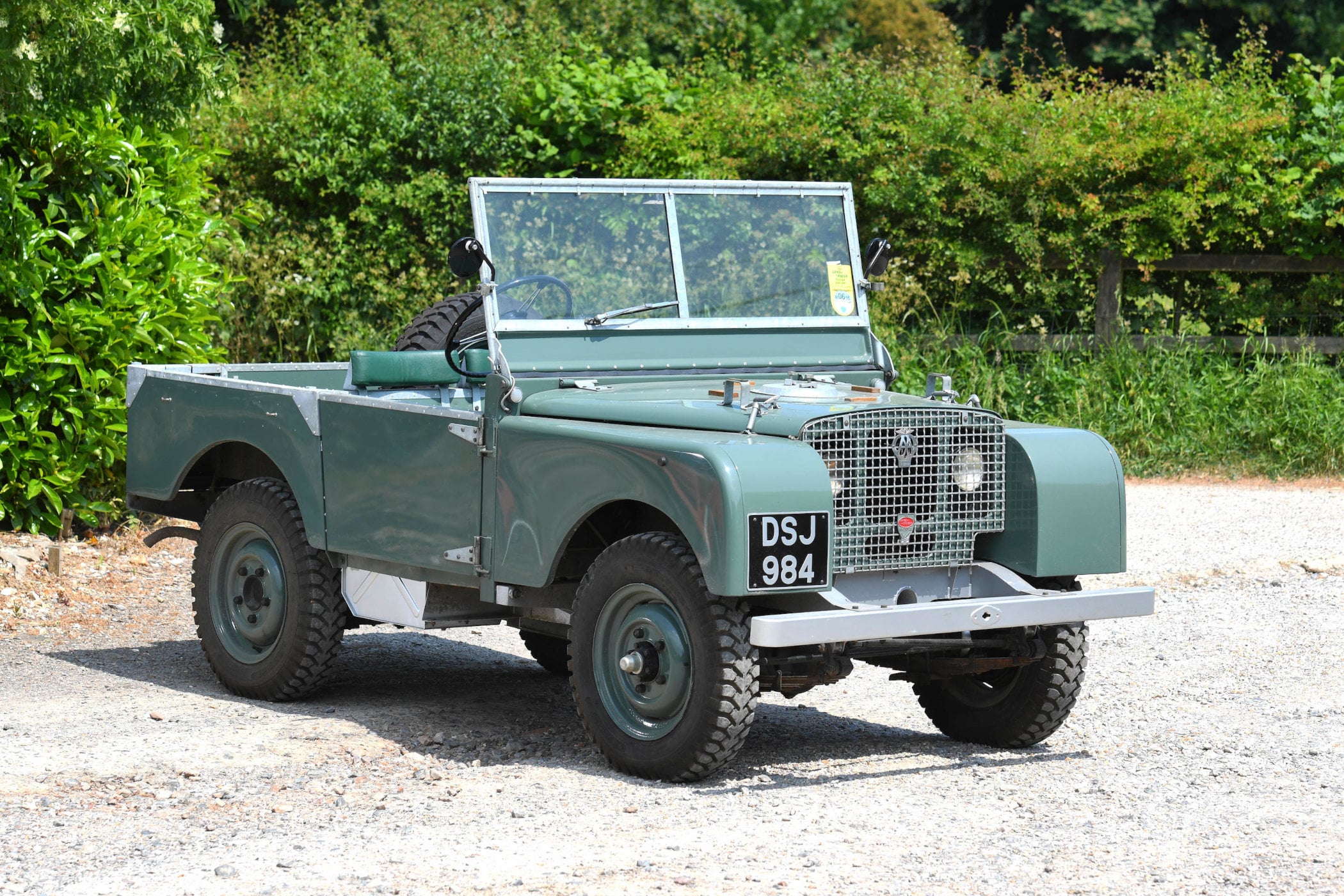
The Series 1 was in production from 1948 to 1948, followed by the Series III in 1971. During all those years, it was produced by the Rover company, as part of the British Leyland Motor Corporation, before being founded as a separate brand in 1978. Not long after, Land Rover cars were designated by chassis length, with the Ninety (90) or One Ten (110) representing short or long wheelbase models. The Defender name made its introduction in 1990 and has been around ever since. The lineage from the earliest to the very latest is easily recognisable thanks to the boxy shape.
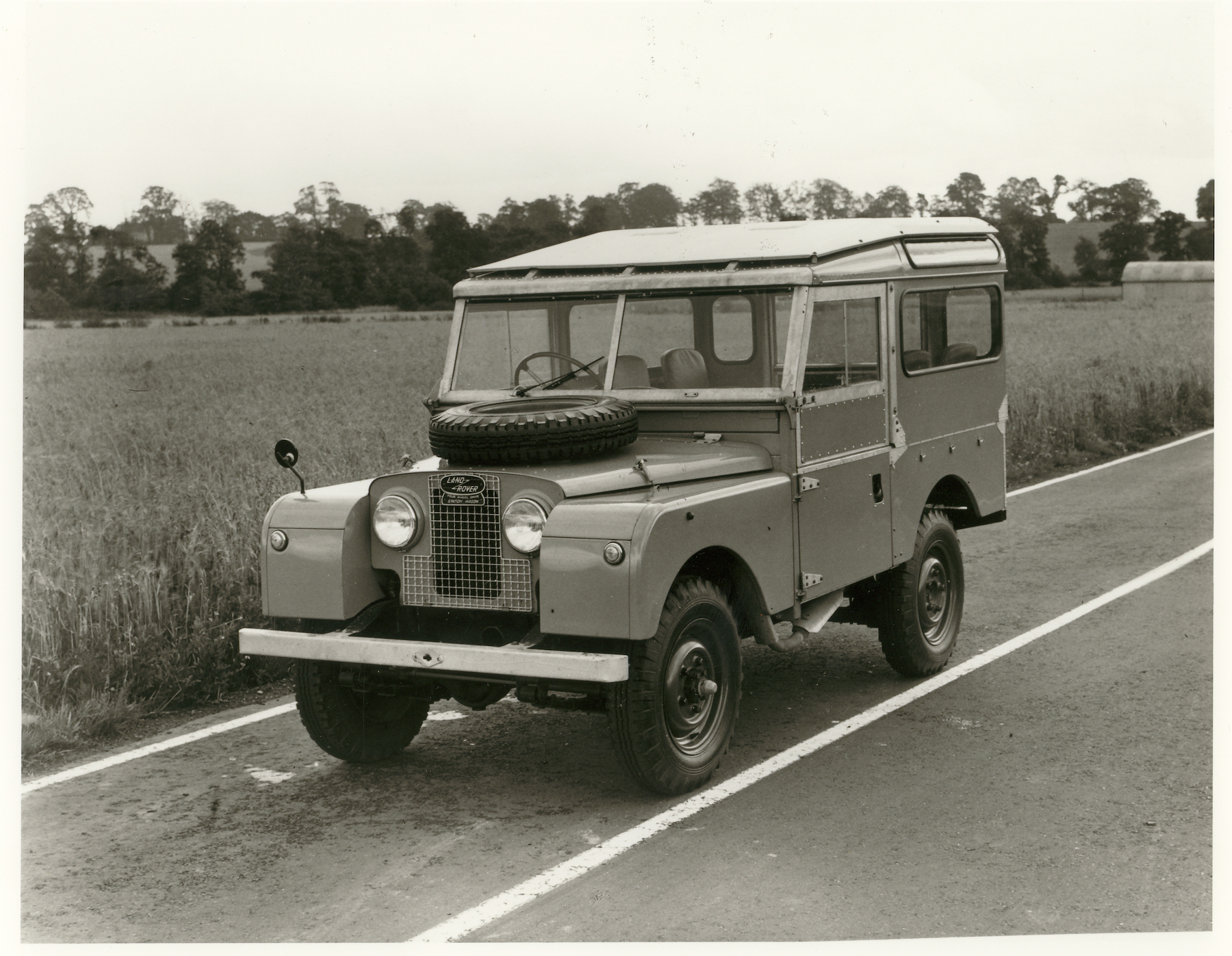
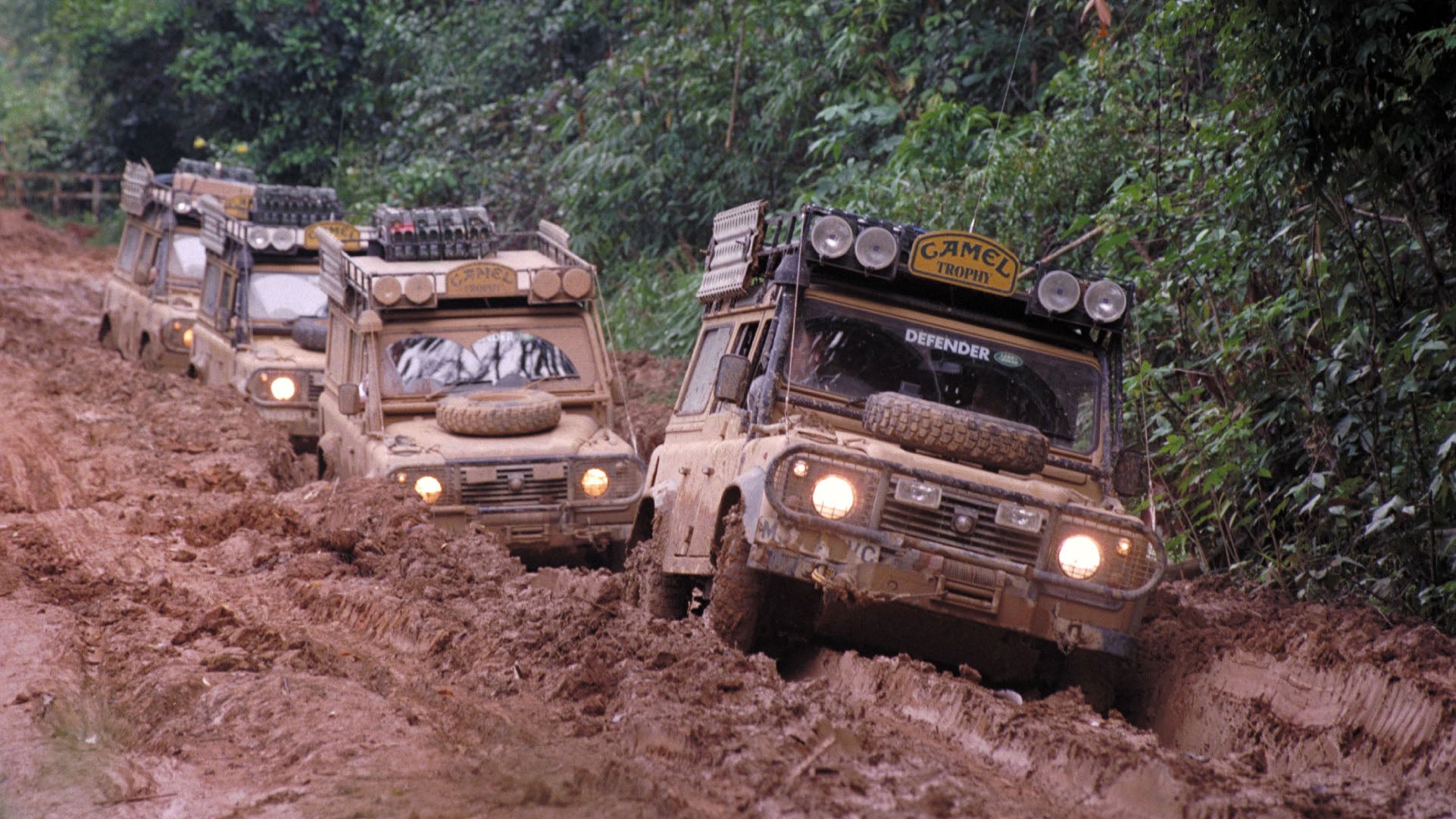
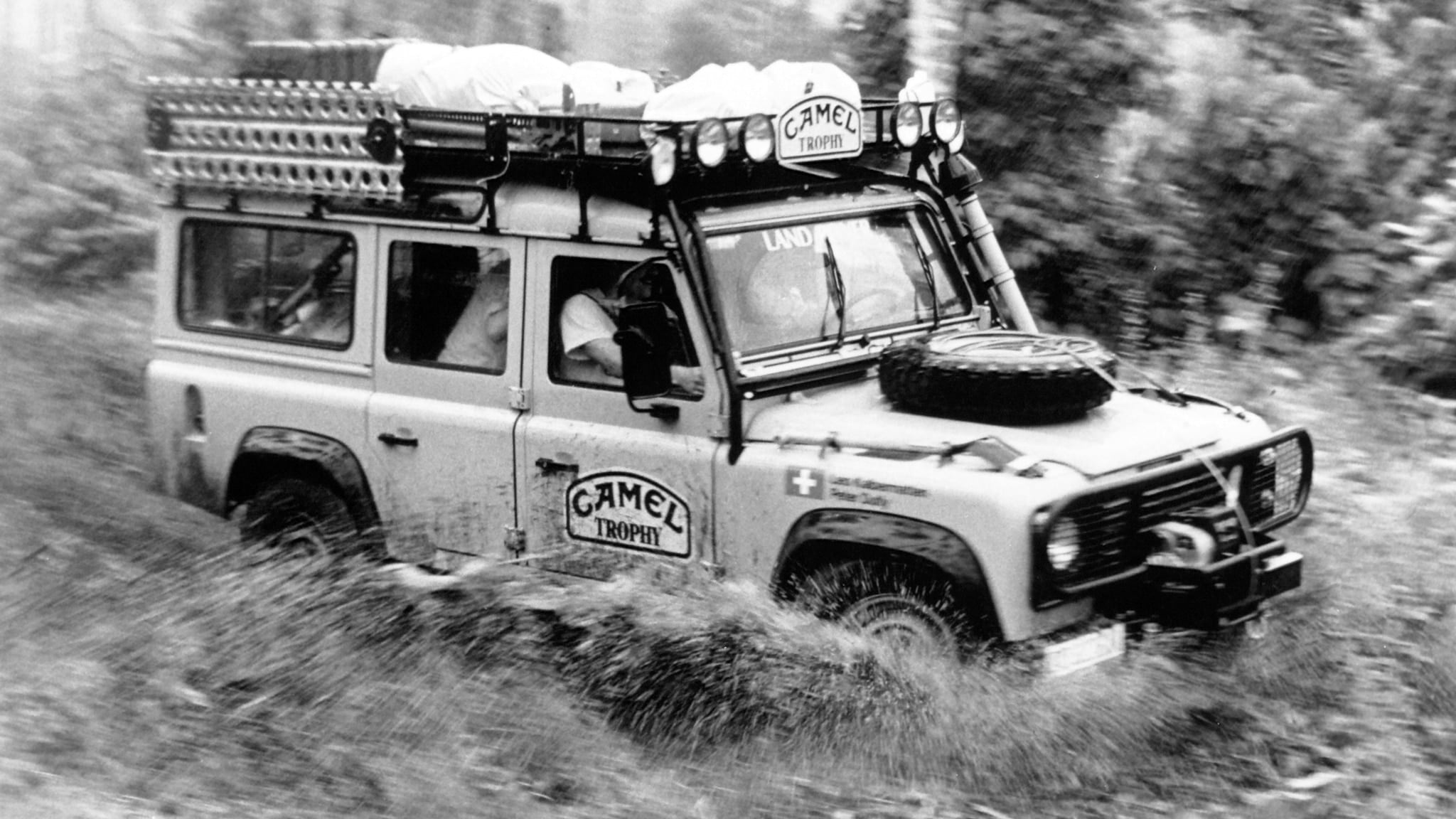
Throughout its life, the Land Rover (talking about all generations here) has done it all. It was used by countless service and defence units, ranging from police forces, fire departments, the United Nations and a whole range of military outfits around the world. From the early days, it was always a very capable off-roader, but it achieved legendary status thanks to the Camel Trophy, the G4 Challenge and of course, the Dakar Rally. After all, it was the Land Rover company that won the very first Paris-Dakar, back in 1979, with the Range Rover, a spin-off from the classic Land Rover. It then won again in 1981 with a Range Rover, and although many competitors entered with either a Land Rover or Range Rover, it never stood on the top step ever again.
The Defender’s Dakar Debut
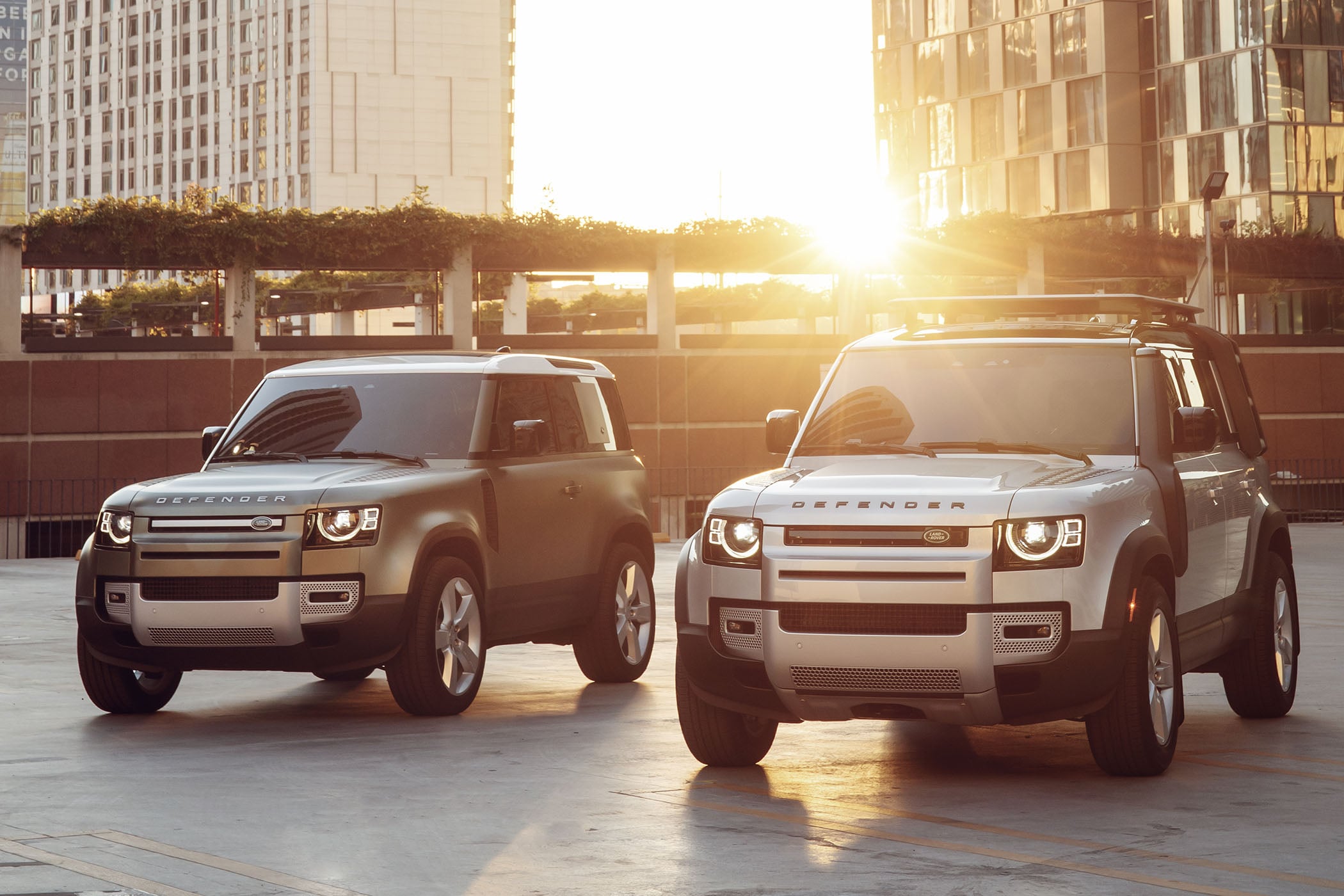
So, while it’s not really the Dakar debut of Land Rover, as a car or company, it is the very first time it will enter as a factory team with a Defender. This D7X-R is derived from the power-mad Defender Octa and built to enter the Stock class, a category that unsurprisingly fields cars that are a close to production cars as possible. The changes are kept to a minimum, pretty much aiming to meet safety and endurance standards only. And it shows, as from the outside, this Defender D7X-R looks nothing too out of the ordinary.
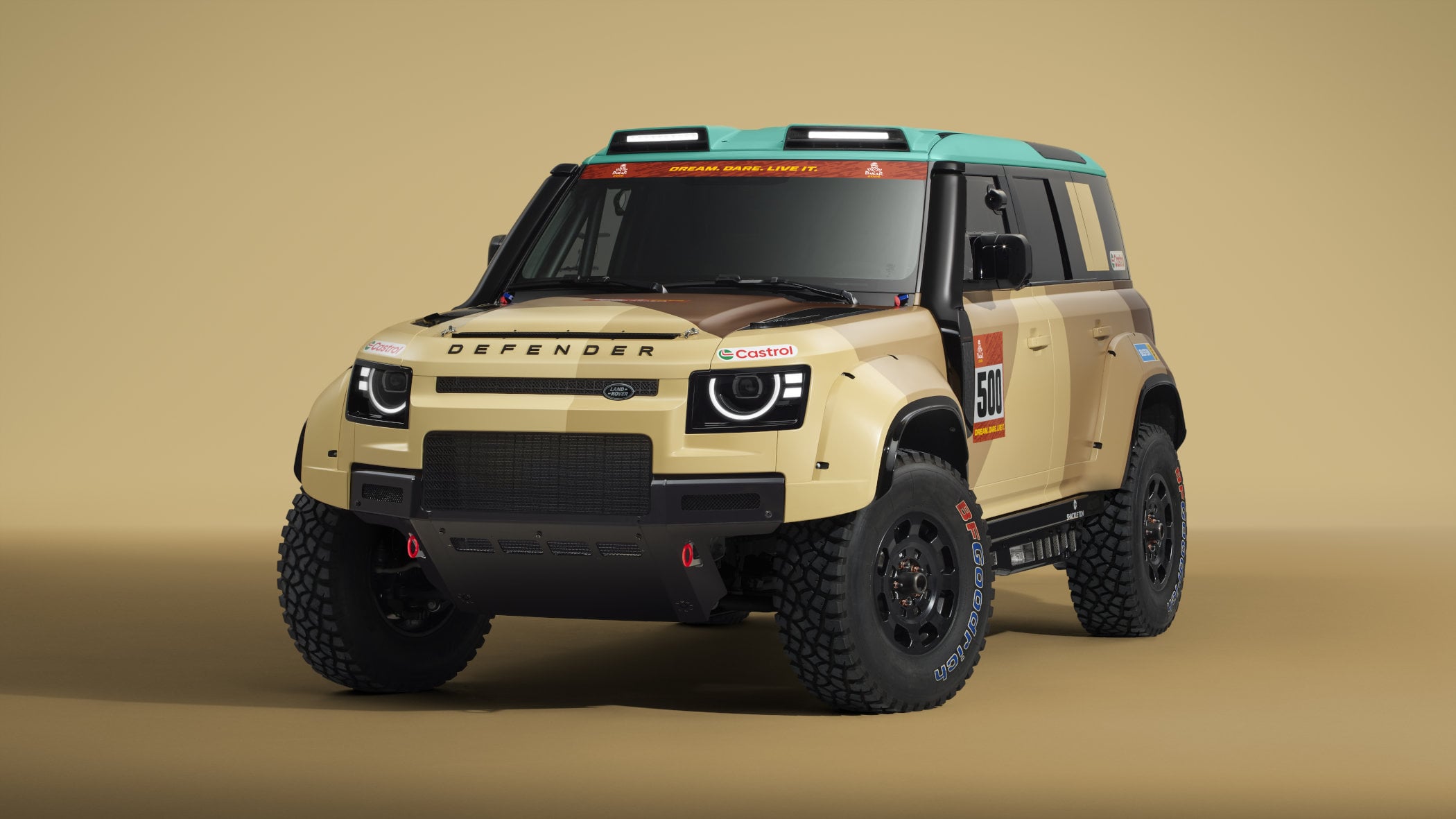
As mentioned, it uses the Defender Octa as a stepping stone. This top-of-the-line road-going Defender packs an insane 4.4-litre twin-turbo V8 pumping out 635bhp and 750Nm of torque, making it the most powerful production Defender ever. On the road, the Defender Octa can hit 100kph in under 4 seconds, and barge on to a top speed of 250kph. Sounds like absolute madness in such a big, boxy machine, but I would love to give it a go!
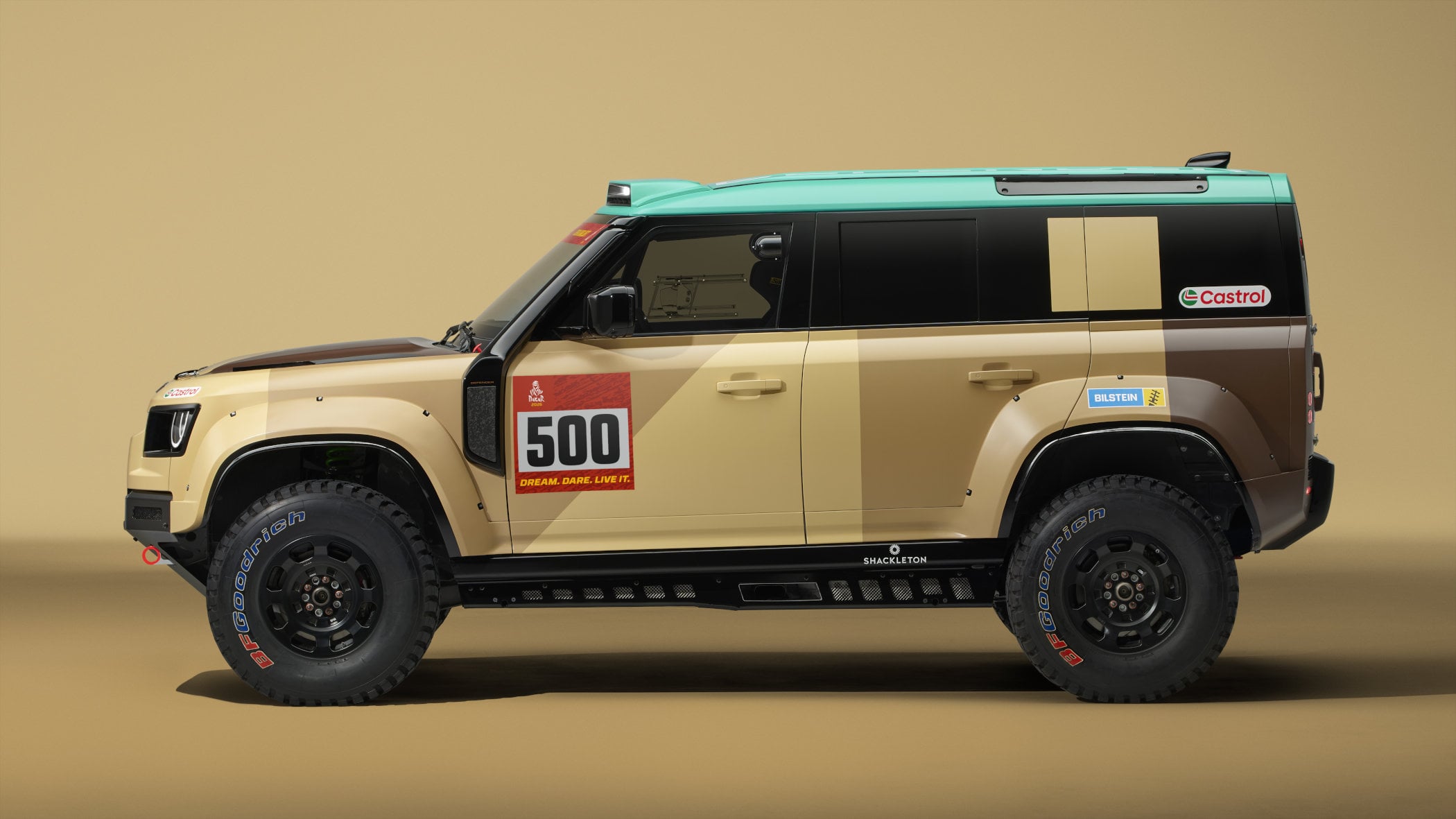
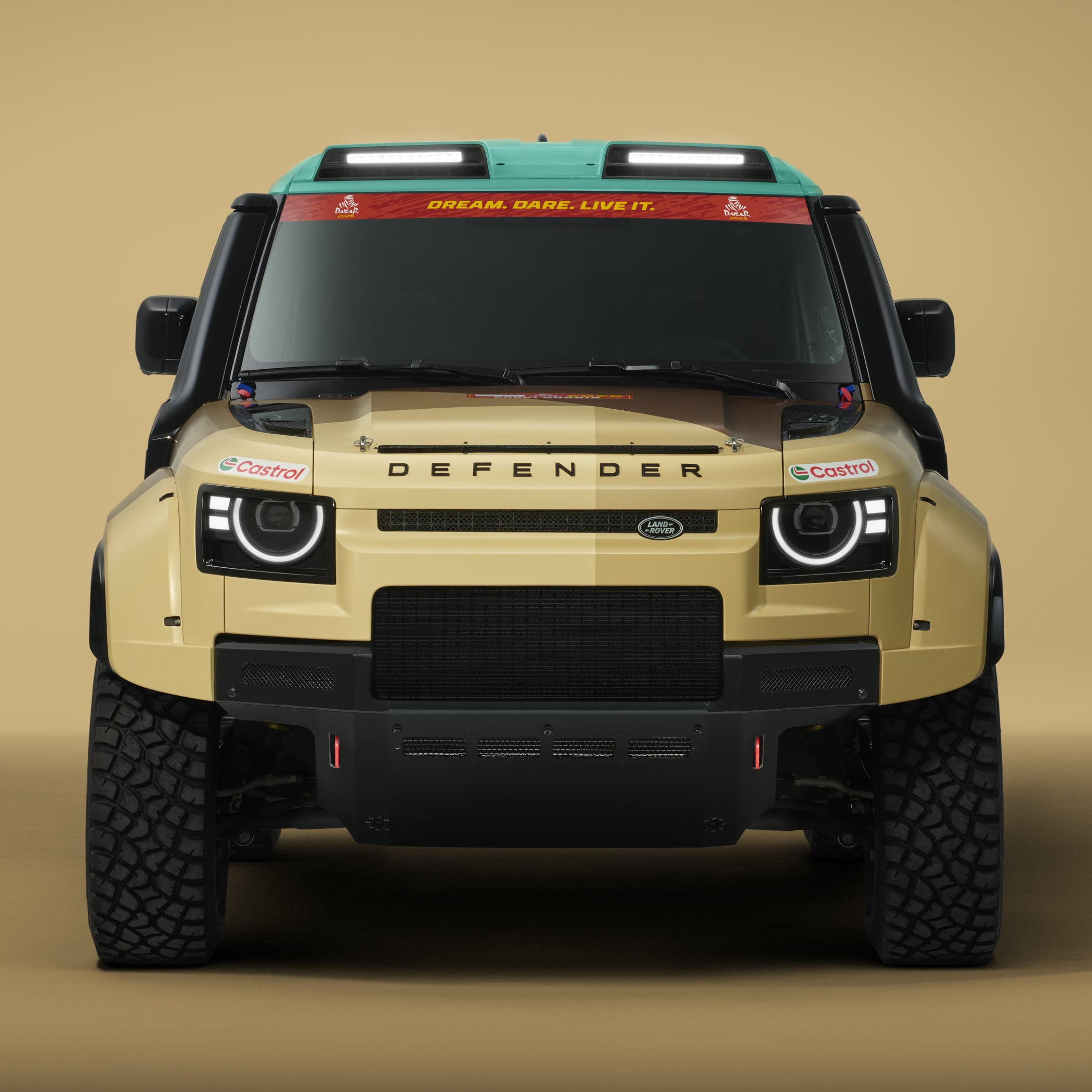
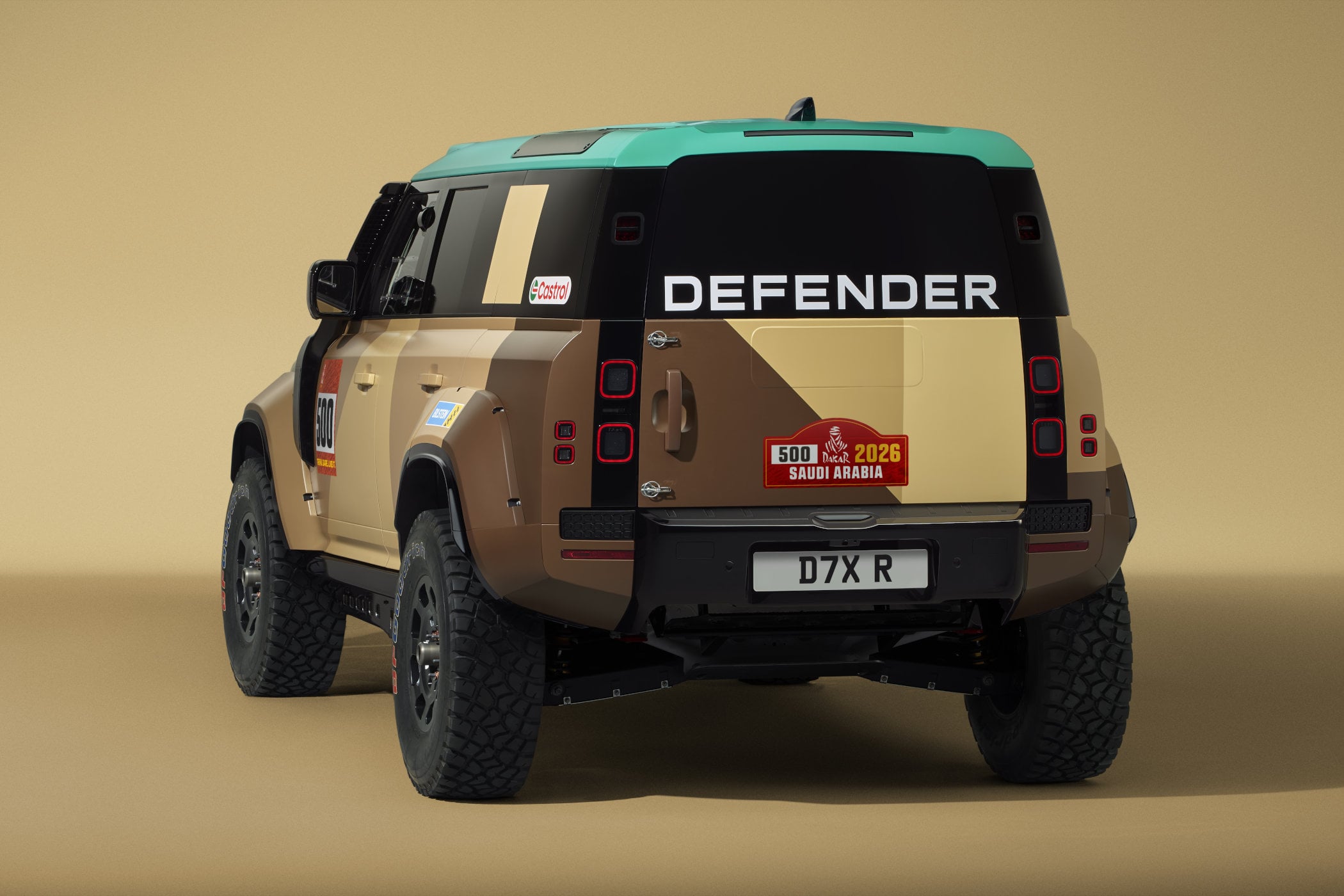
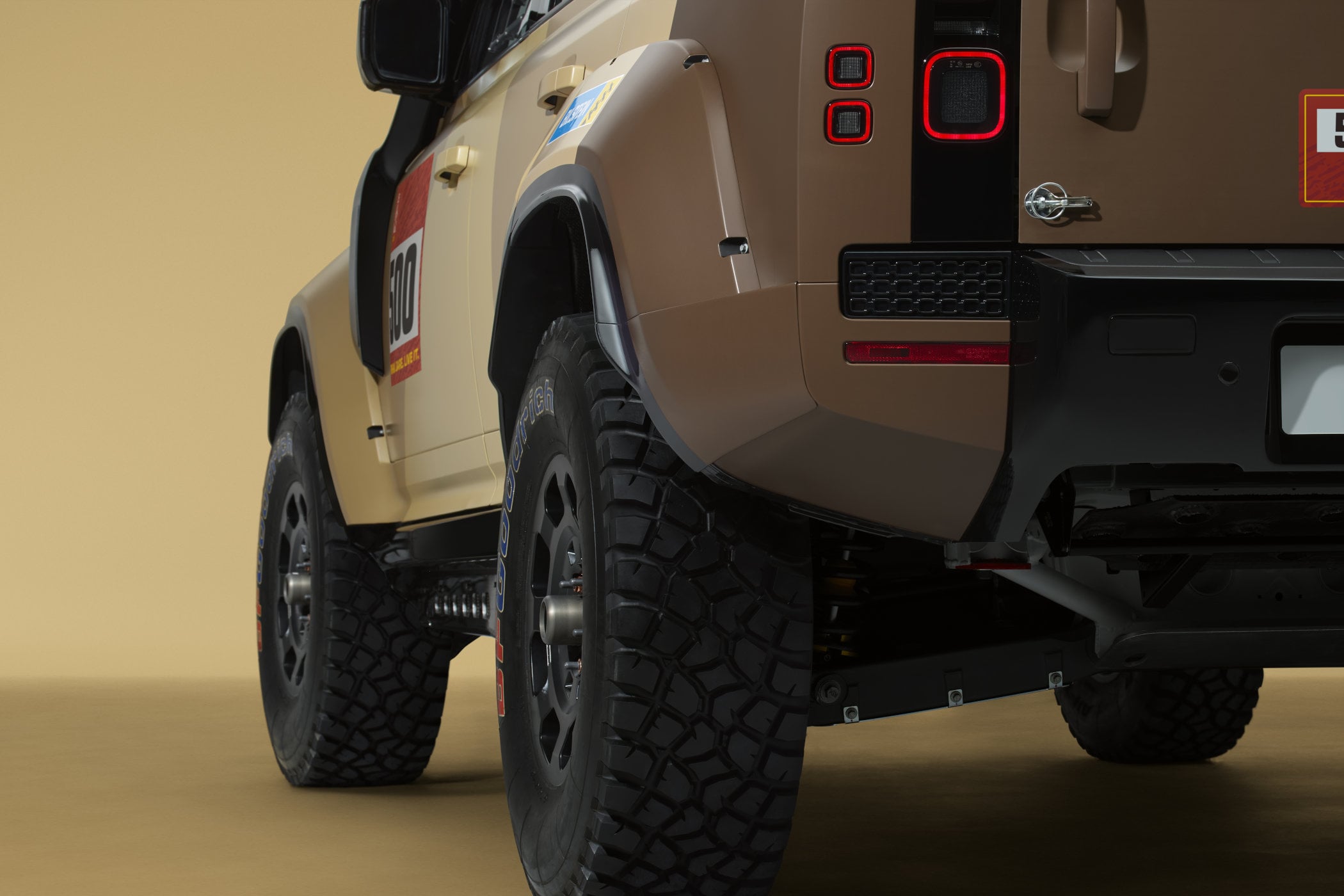
The D7X-R separates itself from the production Defender Octa 110 in several key areas. It gets a wider track and an increased ride height, which sounds sensible when crossing the gruelling Saudi desert and mountainous regions. It also gets a new suspension system and an upgraded cooling system. The D7X-R also gets some added protection in the form of skidplates, sills and rock shields. The V8 engine and 8-speed automatic gearbox are left largely untouched (it has a lower final drive ratio), so it still packs a mighty punch, yet it’s restricted by a FIA-sanctioned air intake system. To prevent running out of fuel, which is an advanced sustainable formula by the way, it has a 550-litre fuel tank (and that’s no typo!)
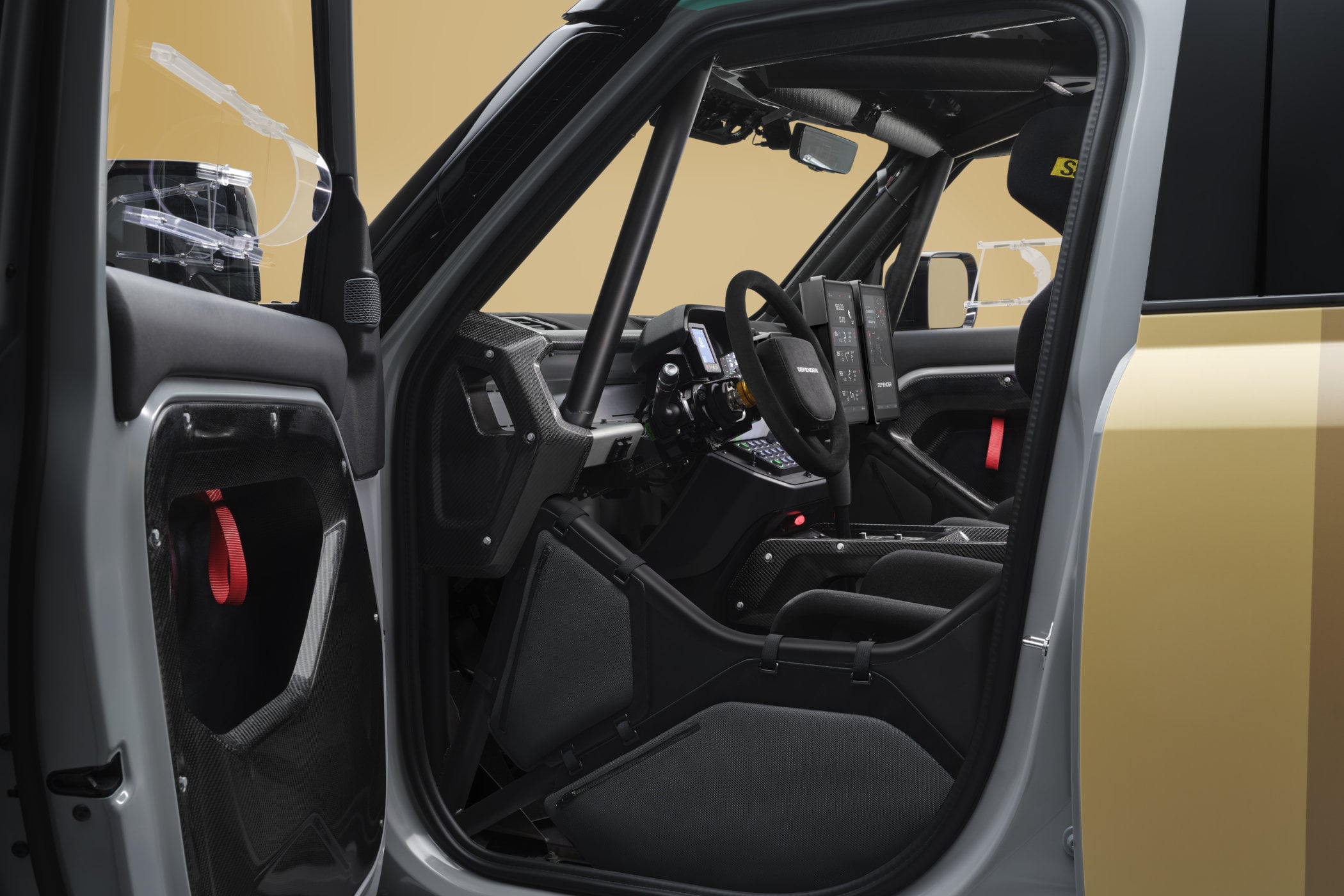
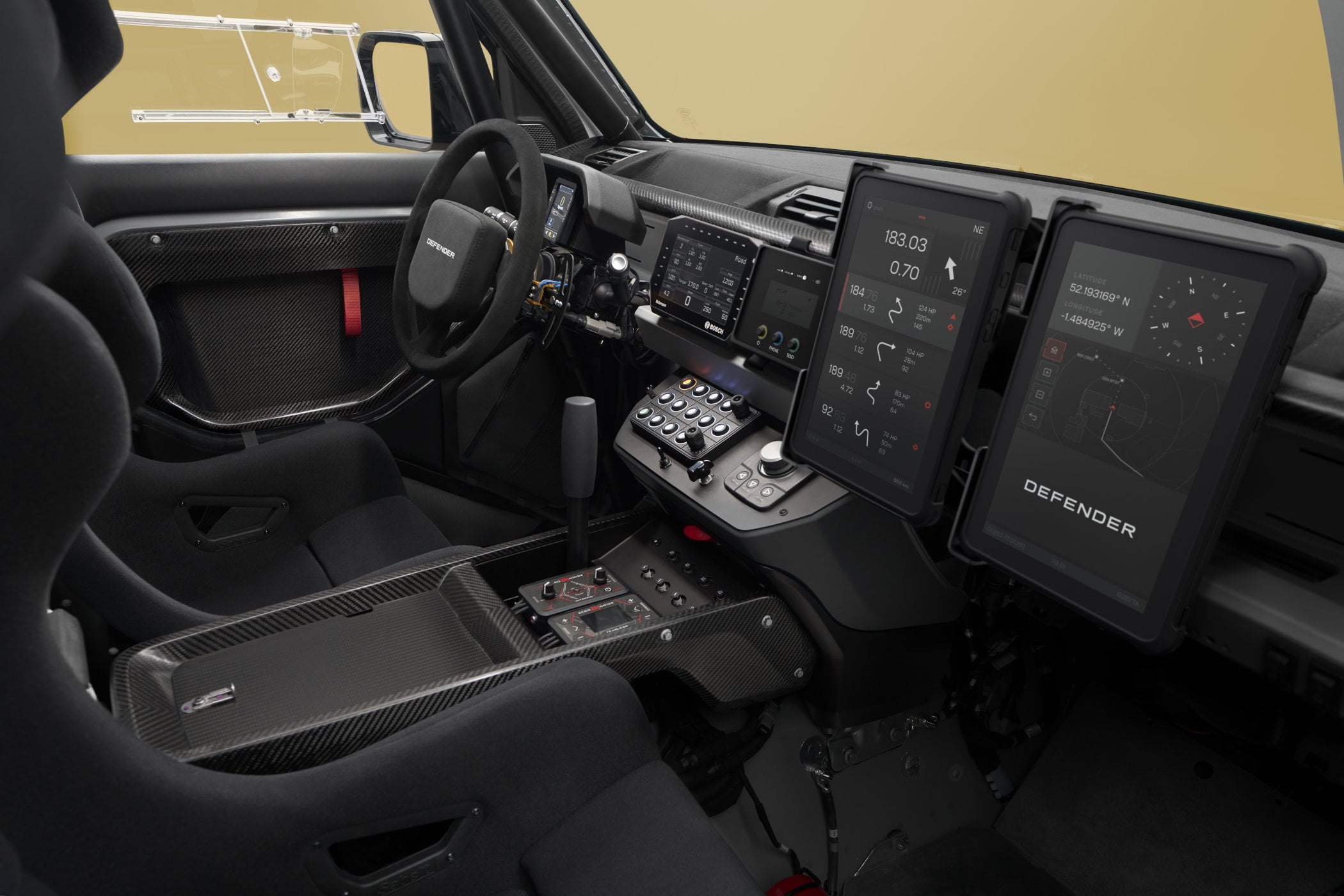
On the inside, the D7X-R is fitted with a pair of racing seats and harnesses, a head-up display for the driver, a dual-screen programmable dashboard for the co-pilot/navigator, a FIA-issued roll cage, and so on. The back seats have been removed to accommodate three spare wheels, tools, compressed air and essential spare parts in the case of a breakdown.
Land Rover will field three teams, with Dakar legends Stéphane Peterhansel (14 victories & 82 stage wins) and Mika Metge in the lead D7X-R, Rokas Baciuška and Oriol Vidal in the second one, and Sara Price being joined by Sean Berriman in the third car.
The 2026 Dakar Rally
Early next year, 812 competitors from 69 different nationalities and spread over more than 400 teams will line up at the start in Yanbu, in what is still one of the most daunting tests of man and machine. The field is split between 73 cars in the Ultimate class, 8 in the new Stock class (which the Defender D7X-R is competing in) and 75 cars in the Classics category. Then there are 46 teams in the Trucks class, with 24 more in the Classic Trucks category, and 118 motorcycles in total. Besides all that, there will also be 38 teams in the Challengers class, 43 in the SSV class, which will run those buggy-type vehicles. The final category is the Dakar Future Mission1000 class, with 7 motorbikes and 1 truck competing.
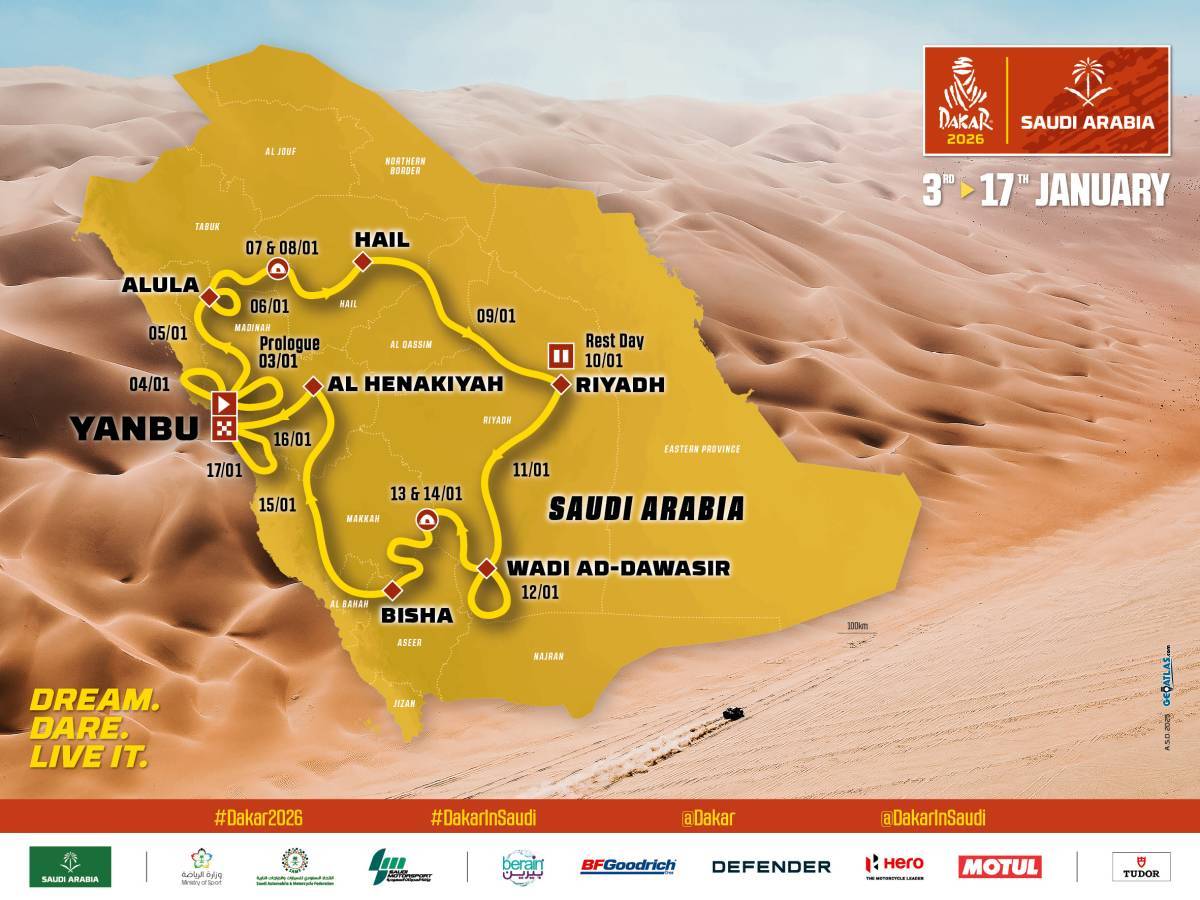
The upcoming 2026 edition of the Dakar Rally will officially start on January 3rd, although there’s a week-long build-up to “lights out” on the Prologue Stage from registering to scrutineering and so on. The 48th running of the Dakar sees 14 days of competition, including one mandatory resting day between stages 6 and 7. Stages 4 and 5 will be the 48-hour Marathon stage, where assistance with no time limit is allowed in Bivouac, while stages 9 and 10 will be another Marathon stage, but in the more traditional sense, with a very minimal Bivouac and restrictions on support and assistance. The finish will be a 141km long loop-stage from Yanbu to Yanbu, on January 17th.
For more information, please visit LandRover.com or Dakar.com.
Editorial Note: The information and images used for this article are sourced from and used with permission of Land Rover and the Dakar organisation, unless stated otherwise.