
 Not all images were able to load for printing. Please close the print window and try again.
 Adrian Bosshard, CEO of Rado, About the Mastery of Ceramics and the New Integral Collection
Rado celebrates the 40th anniversary of ceramic with a new Integral collection.
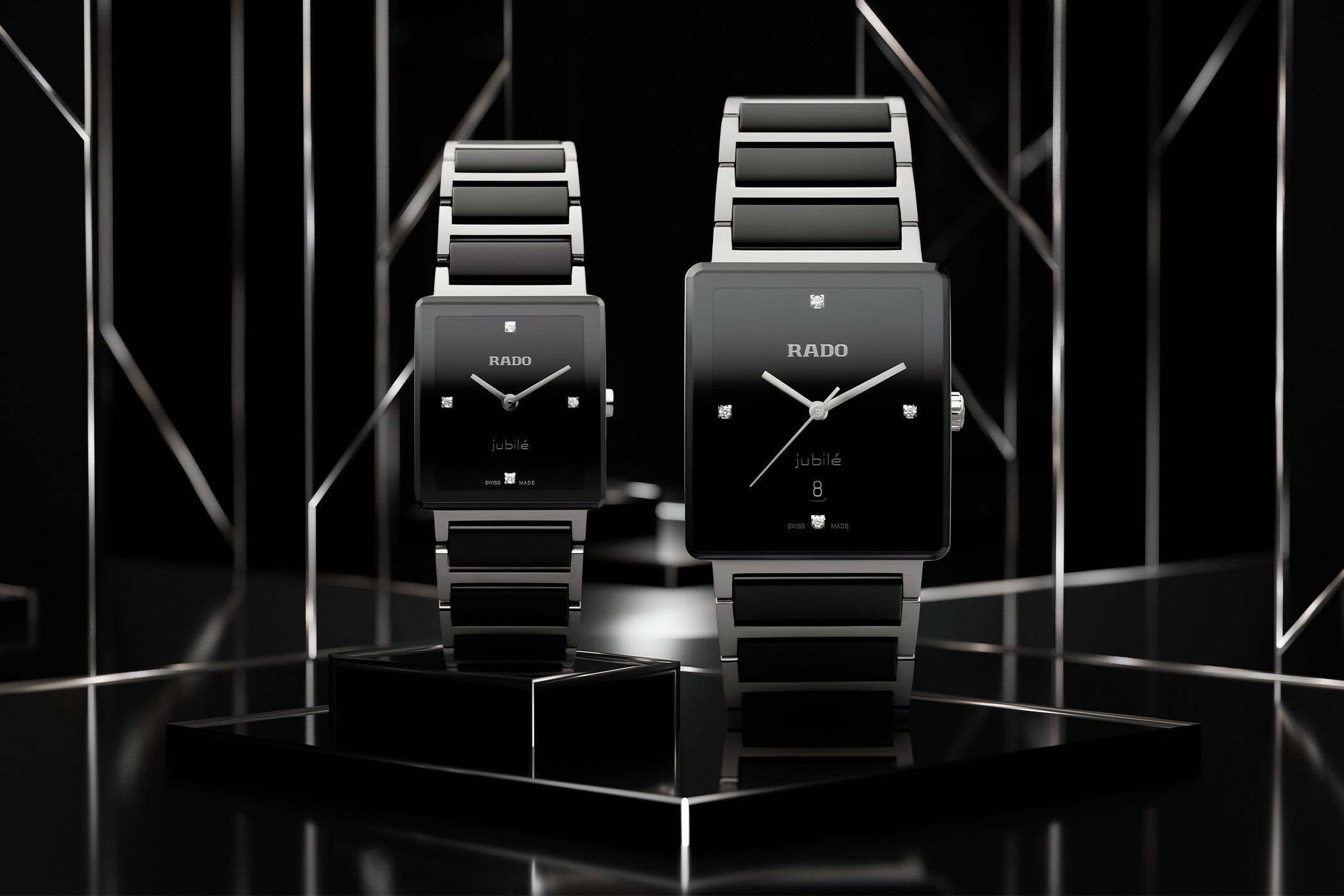
When it comes to ceramics, Rado is the brand that comes to mind. Rado presented its first ceramic watch in 1986, just 40 years ago… This anniversary marks not only a technological breakthrough, but also the beginning of a long-standing expertise that has become a signature. This special occasion allows us to sit down with the brand’s CEO, Adrian Bosshard, to look back on four decades of innovation in ceramic watchmaking, to explore how this material has shaped the brand’s identity, and to understand what continues to drive its evolution today. We will also take this moment to discover a new model unveiled by Rado to celebrate this anniversary.
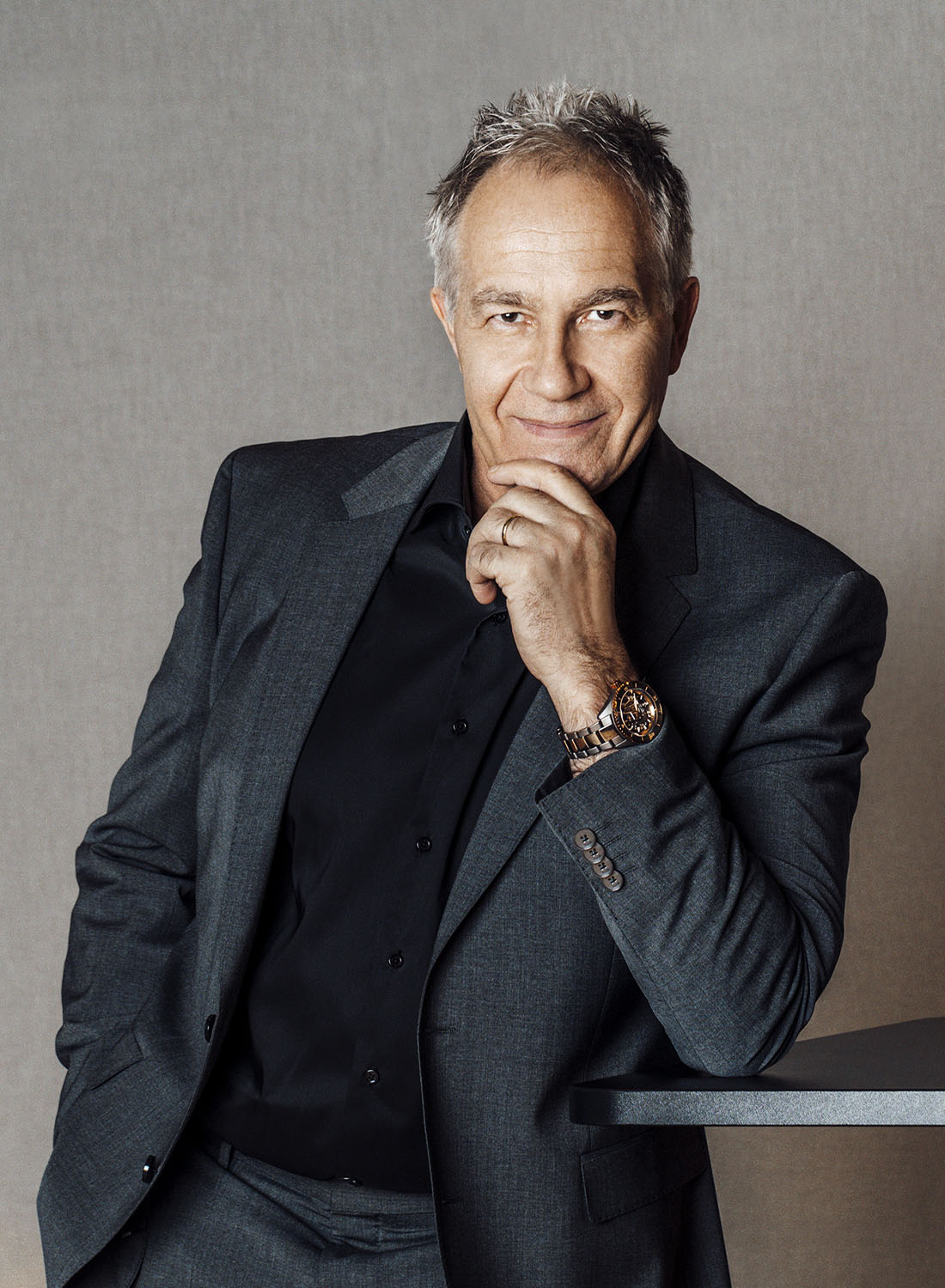
Xavier Markl, MONOCHROME – Rado has been a pioneer in ceramic watches for four decades. What does this 40-year milestone represent for the brand today?
Adrian Bosshard, CEO of Rado – This is one of the most important milestones for Rado, dating back to 1986. Back then, we introduced the first high-tech ceramic watch produced in series. That moment marked the beginning of a 40-year journey with this material, also meaning 40 years of expertise.
Ceramic represents innovation, experience, and boldness. At the time, it required real courage – no other brand had dared to move beyond traditional materials like gold, steel, or brass. We were pioneers in introducing high-tech ceramics into watchmaking, and today we remain the brand with the broadest collection in this field. This material has since become a standard in the industry, but we are proud to have led the way. It defines who we are.
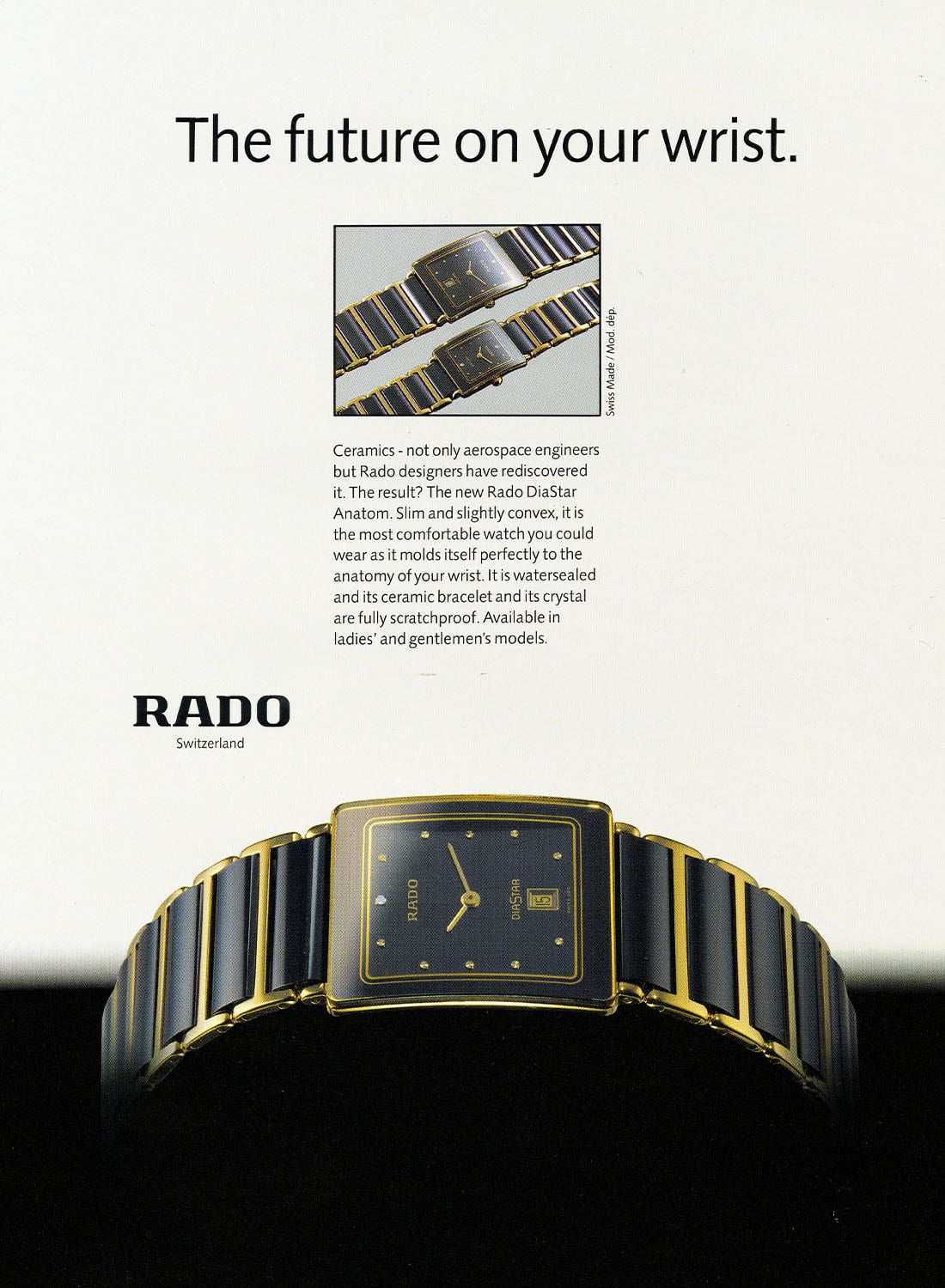
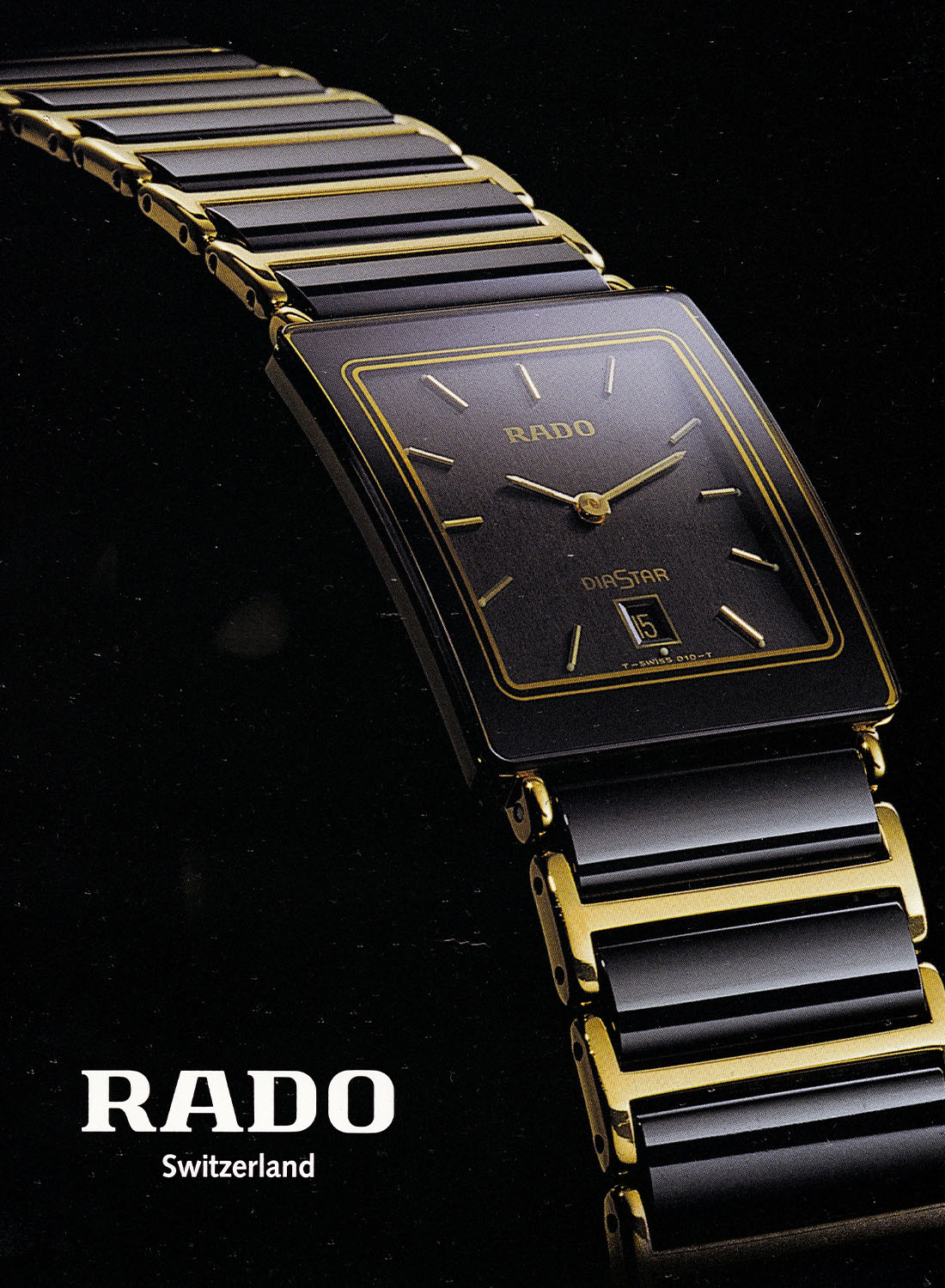
Why was ceramic such a breakthrough?
Back then, the idea of making a full watch in hard metal – or later ceramic – was considered almost impossible. Many experts believed it couldn’t be done, especially in a scratch-resistant way. But we proved them wrong.
The goal was clear: create a material that is highly scratch-resistant, durable, yet also lightweight and comfortable. Hard metal was extremely resistant but probably too heavy. Ceramic offered the perfect balance. Today, we have watches that are over 30 years old and still look brand new. That’s something you simply don’t get with traditional materials like steel or gold, which naturally show wear over time. Ceramic stays beautiful for life. That’s a major breakthrough.
What makes your watches special for customers?
The main advantage is durability. A ceramic watch remains scratch-resistant and keeps its original appearance for years. But beyond that, there’s also comfort – it’s lightweight and feels almost like a second skin. And of course, there’s the emotional connection. Once customers experience it, they often don’t want to go back to other materials. It’s not just about functionality – it’s about how the watch feels, looks, and becomes part of their daily life.
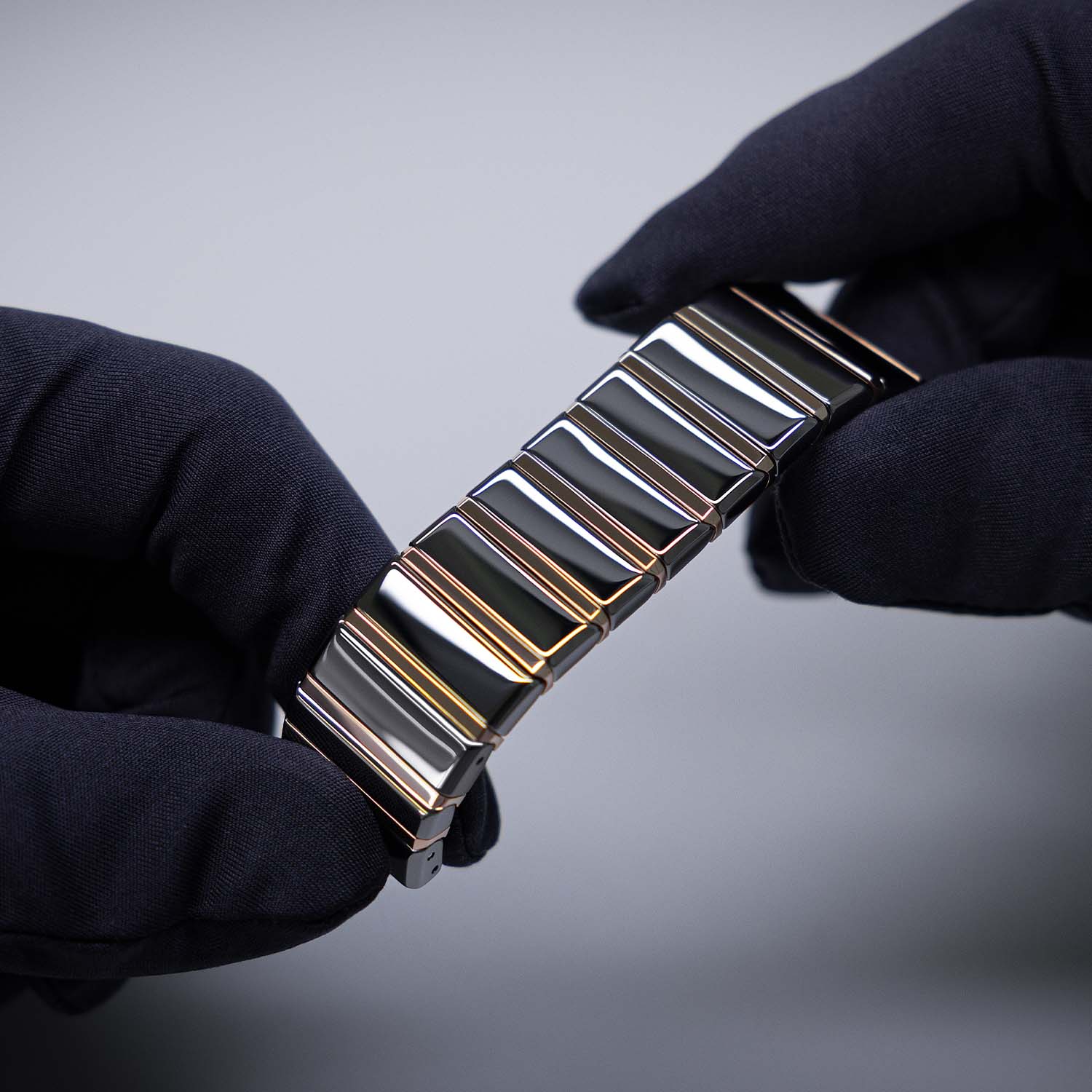
What are the biggest technical challenges when working with ceramics compared to traditional materials like steel or gold?
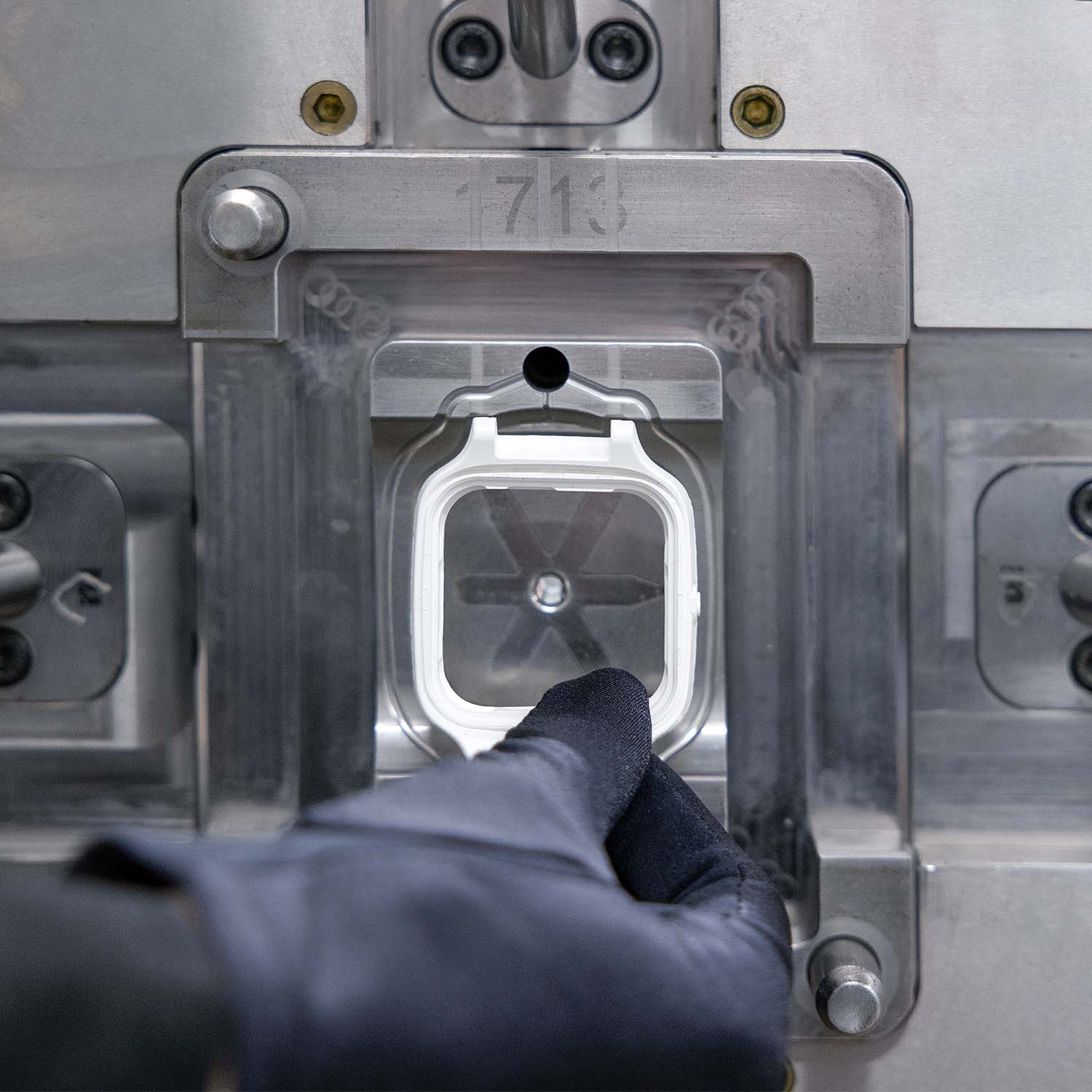
The production process is far more complex than traditional watchmaking. With ceramic, you can’t simply machine a case like you would with steel. You need specialised injection moulding tools, and developing those takes significant time and expertise.
Colour is another major challenge. Creating new ceramic colours isn’t just about adding pigment – it requires entirely new material development. Today, we offer over 20 different colours, all with perfect consistency over time. Maintaining that consistency across years of production is extremely demanding.
How has the material evolved over time?
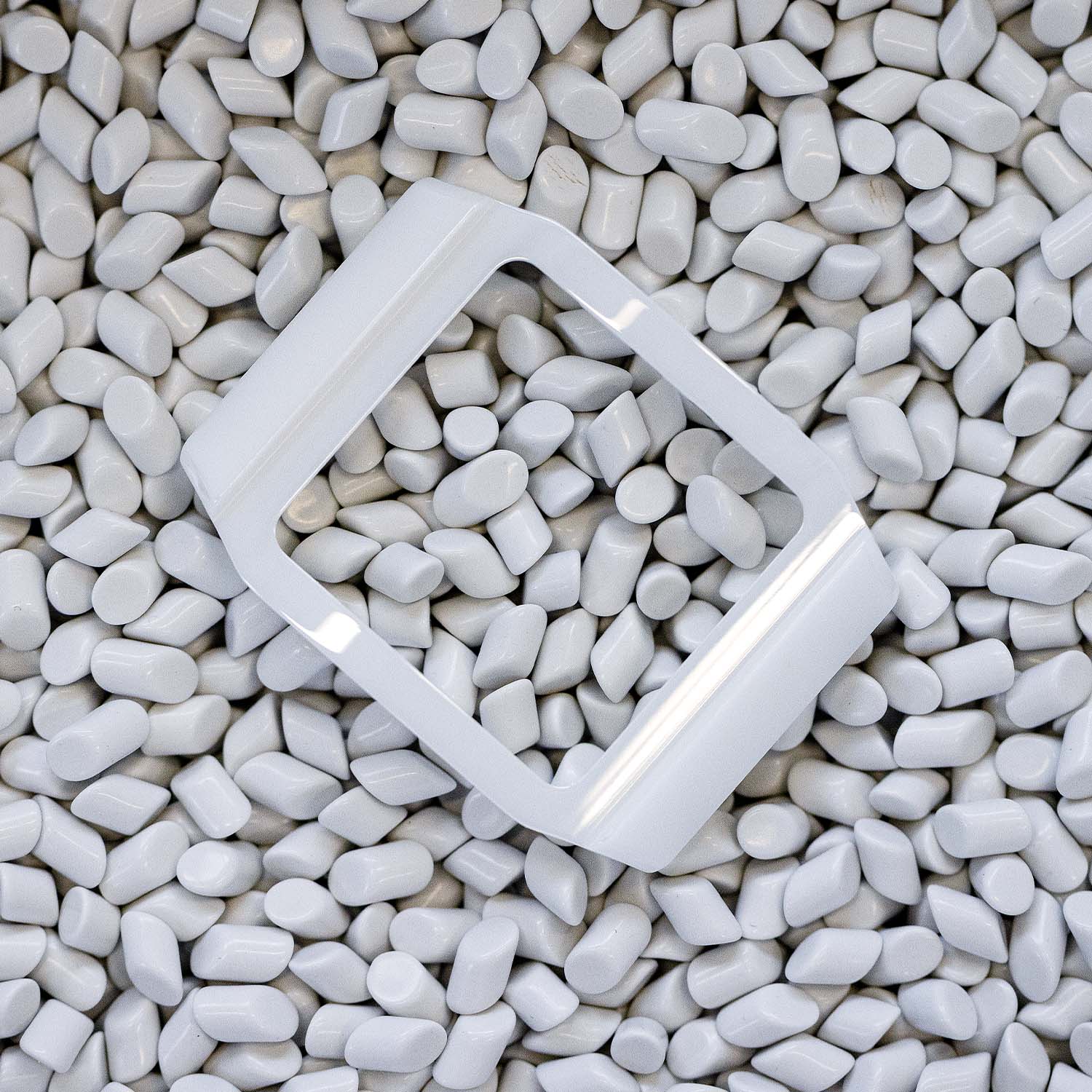
Initially, we could only produce simple shapes. But thanks to injection moulding technology, we can now create highly complex and ergonomic designs—like the Anatom or Integral collections.
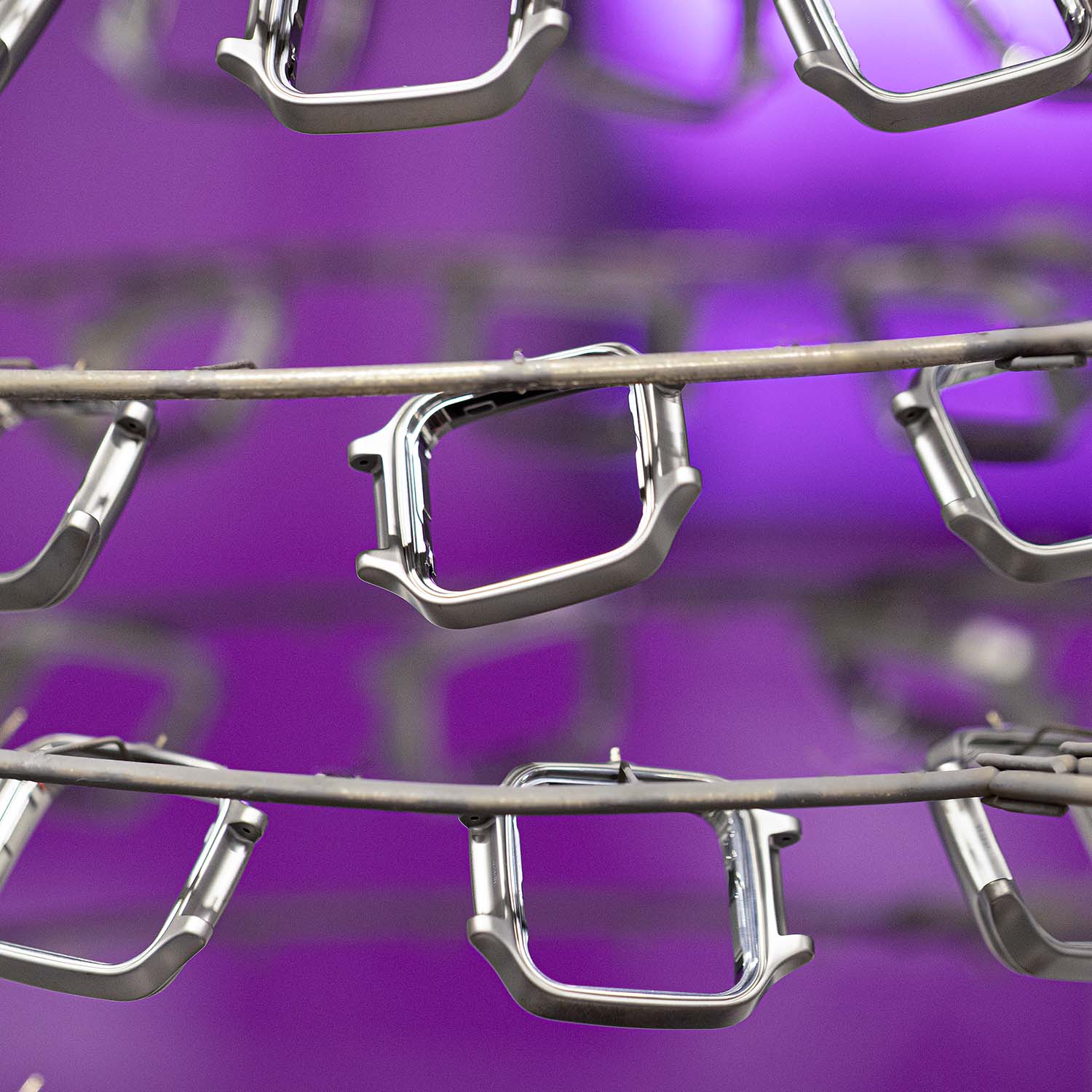
We’ve also developed new materials like Ceramos™, which combines the lightness and scratch resistance of ceramic with a metallic appearance. It opens up new possibilities in both design and finishing.
How important is innovation to the brand?
Innovation is at the core of everything we do. It’s part of our DNA. The brand’s motto is “If we can imagine it, we can make it. And if we can make it, we will!” We’ve always believed in challenging the impossible. Our philosophy has never been to follow trends, but to create something new – whether in materials, design, or movement technology.
Even today, we continue to innovate with new colours, new shapes, and new technical developments like skeletonised movements. The goal is always to offer something distinctive – products that you won’t find anywhere else.
What inspires your design and innovation?
As said, our inspiration comes from within – from our history, our expertise, and our willingness to take risks. There’s a mindset we follow: if something seems impossible, that’s exactly when we push harder. Innovation requires courage. Without risk, there is no breakthrough.
To mark this anniversary, Rado is introducing a special model. What was the creative and technical brief behind this piece?
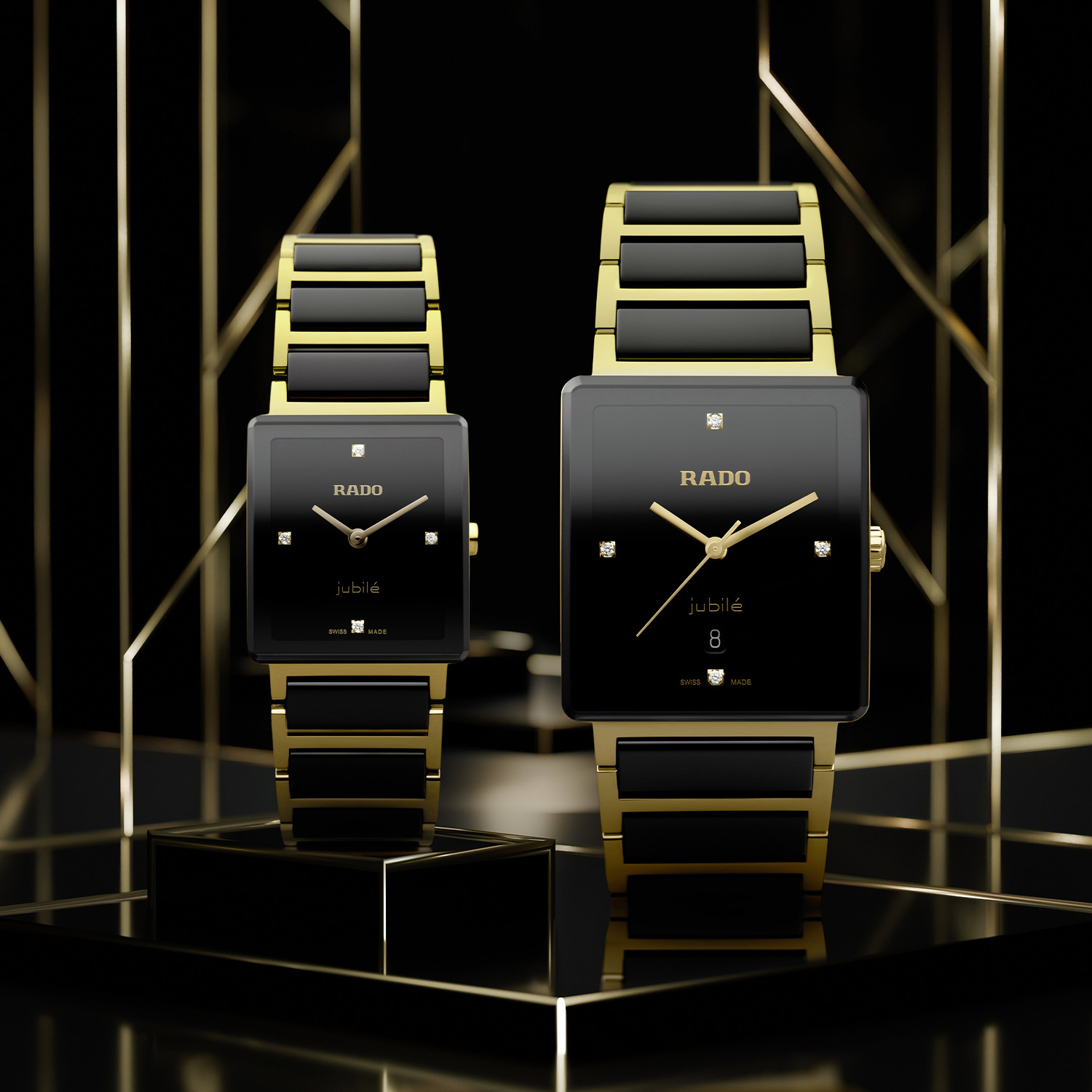
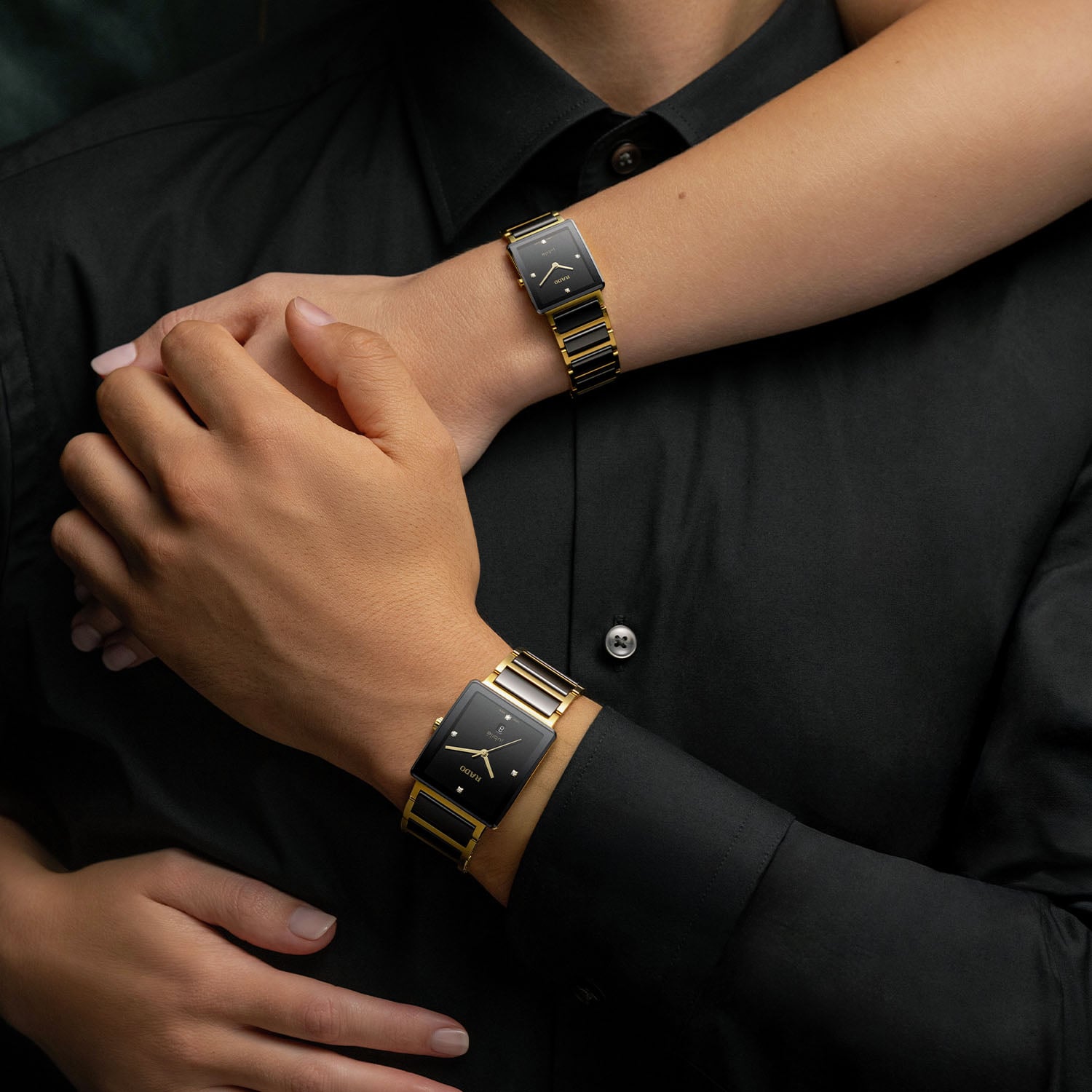
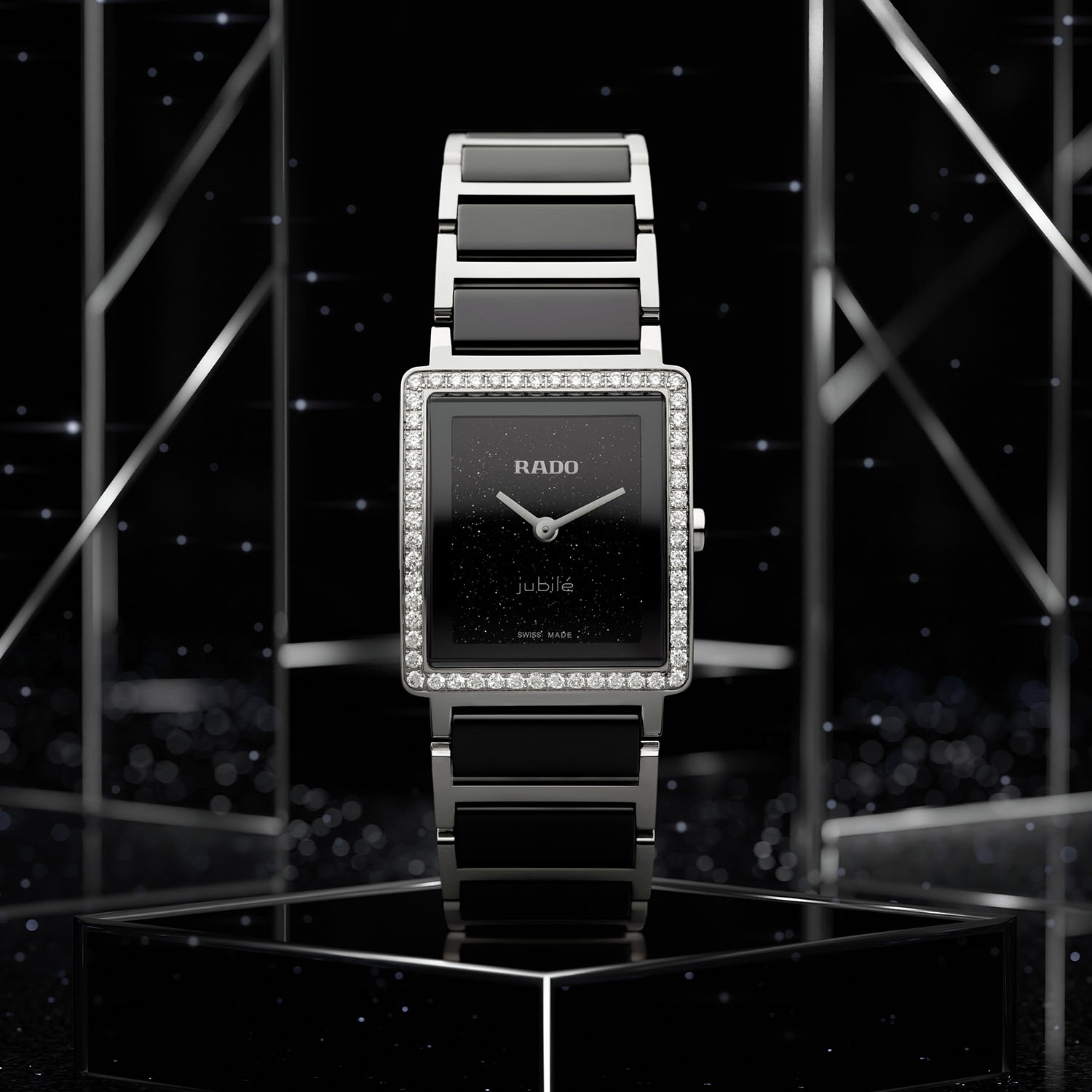
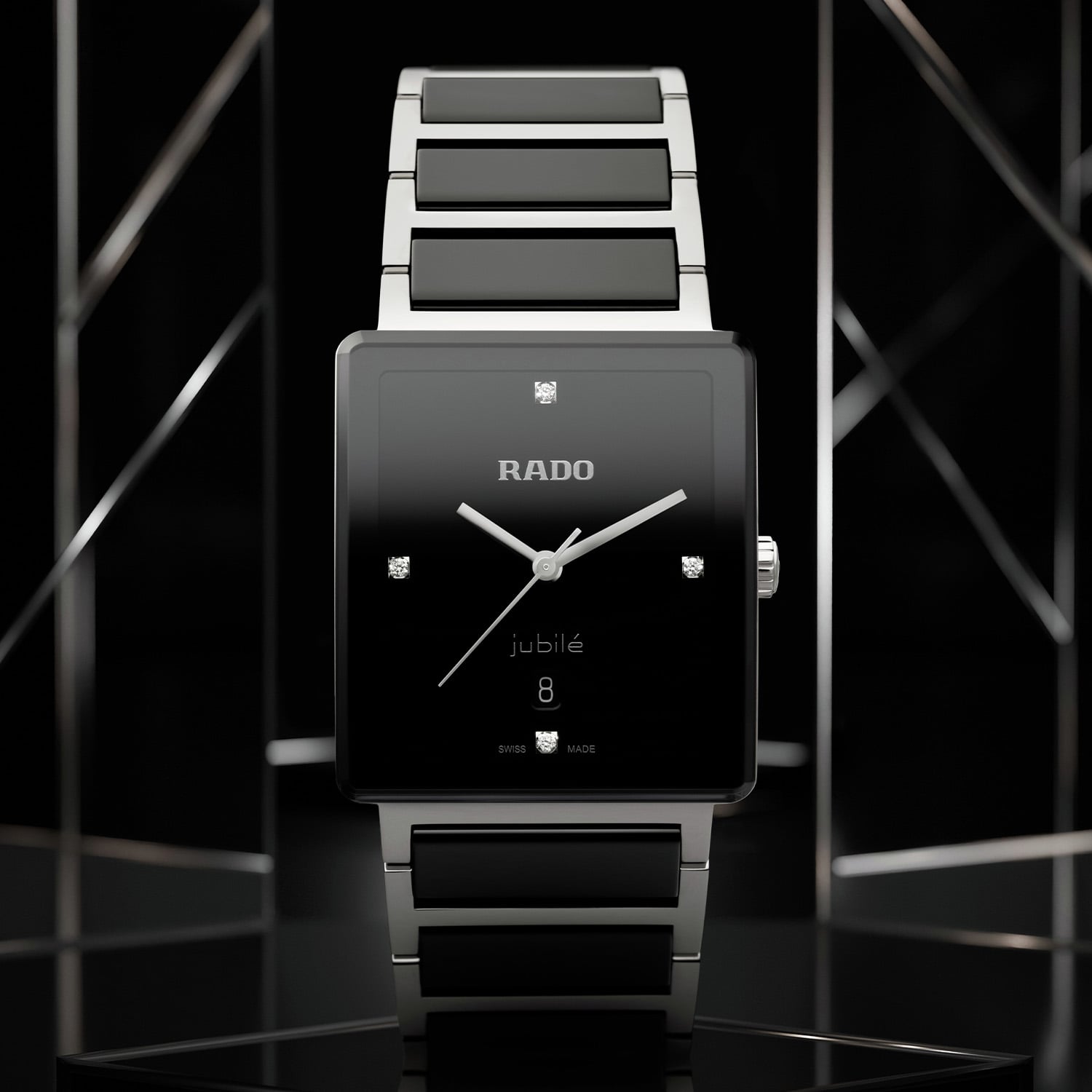
We are bringing back a new version of the iconic Integral. What is important is that the Integral was revolutionary in every respect at the time – not only because of the material, but also because of its edgy design. It introduced a very distinctive aesthetic with strong geometric lines and an integrated bracelet.
This design language is still instantly recognisable today. When you see it, you immediately know it’s ours. That’s something very powerful.
We always try to stay true to these iconic elements while continuously evolving them. It’s about respecting our heritage while pushing innovation forward.
What are the main challenges for the brand today?
Like many industries, we face global and geopolitical challenges. But beyond that, one of our main goals is to expand further into new markets.
We are already strong in regions like the United States, Europe, and parts of Asia, but there is still significant potential in other areas. Strengthening our global presence while maintaining our identity is a key priority.
At the end of the day, everything we do is about creating lasting value – for our customers and for the brand. We want to deliver products that people can enjoy for many years, products that combine innovation, design, and emotional appeal. That’s what defines us.
For more information, please visit rado.com.