


 Not all images were able to load for printing. Please close the print window and try again.
 The New Niton Prima Revives a Historic Name
A famed jumping hour specialist awakens again.
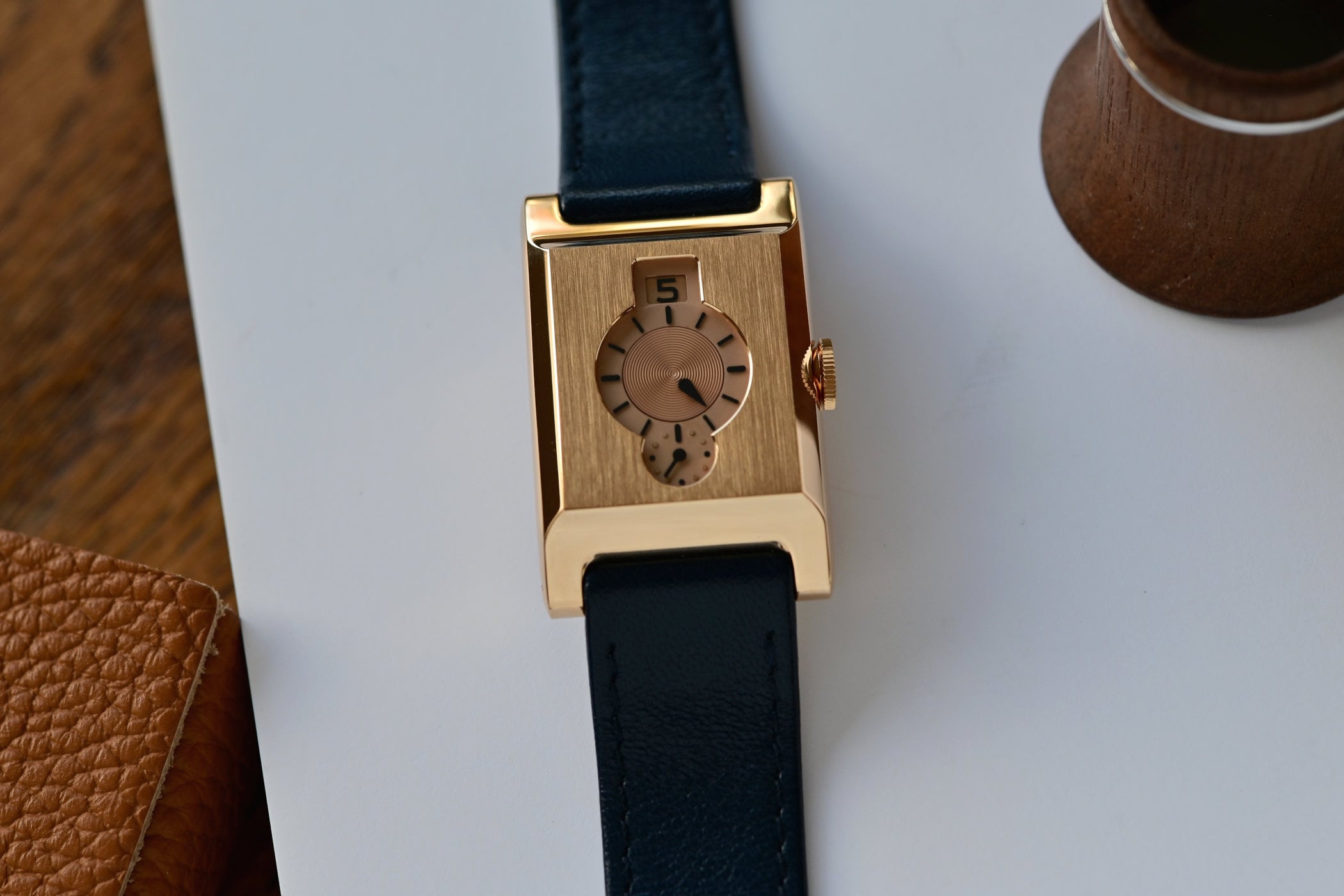
The revival of a long-dormant watchmaking name always sparks our curiosity at MONOCHROME. Born in 1919, the Manufacture des Montres Niton S.A. became known for its watches and movements featuring jumping hours. Niton supplied movements to Patek Philippe, Vacheron Constantin, Cartier, Gubelin and many more… Today, the brand returns with the Niton Prima, an elaborate rectangular, Art Deco-inspired jumping hour watch inspired by the brand’s legacy. Powered by a beautifully finished rectangular-shaped movement, it complies with the Geneva Seal specifications and comes with a chronometer certificate.
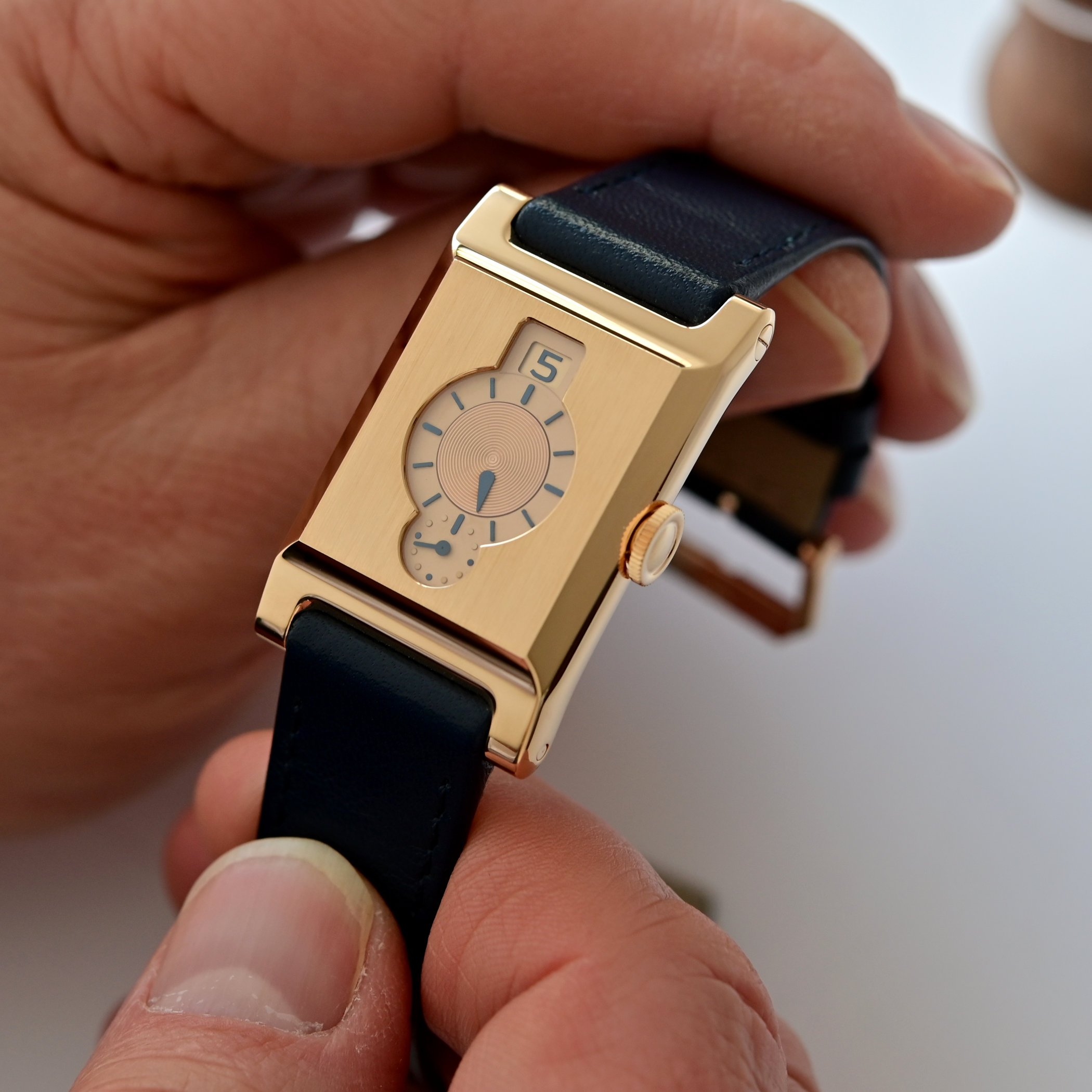
In recent years, the jumping hour has experienced a notable renaissance, with contemporary interpretations appearing at Louis Vuitton, Audemars Piguet, Bovet, Chopard, Czapek, and Chronoswiss, along with the revival of the Digiteur, amongst others. Not everyone realises that this digital display is a rare, complex and exacting mechanism. Since the hours have to jump precisely on the hour, the mechanism needs to accumulate power before releasing it all at once in one swift movement, with no extra bounce. Although the first clocks with digital dials appeared as early as the 17th century, this type of display truly came into fashion with the advent of the wristwatch in the 1920s and 1930s. Jumping hours emerged as a deliberate stylistic choice whose digital, geometric aesthetic perfectly aligned with the spirit of Art Deco.
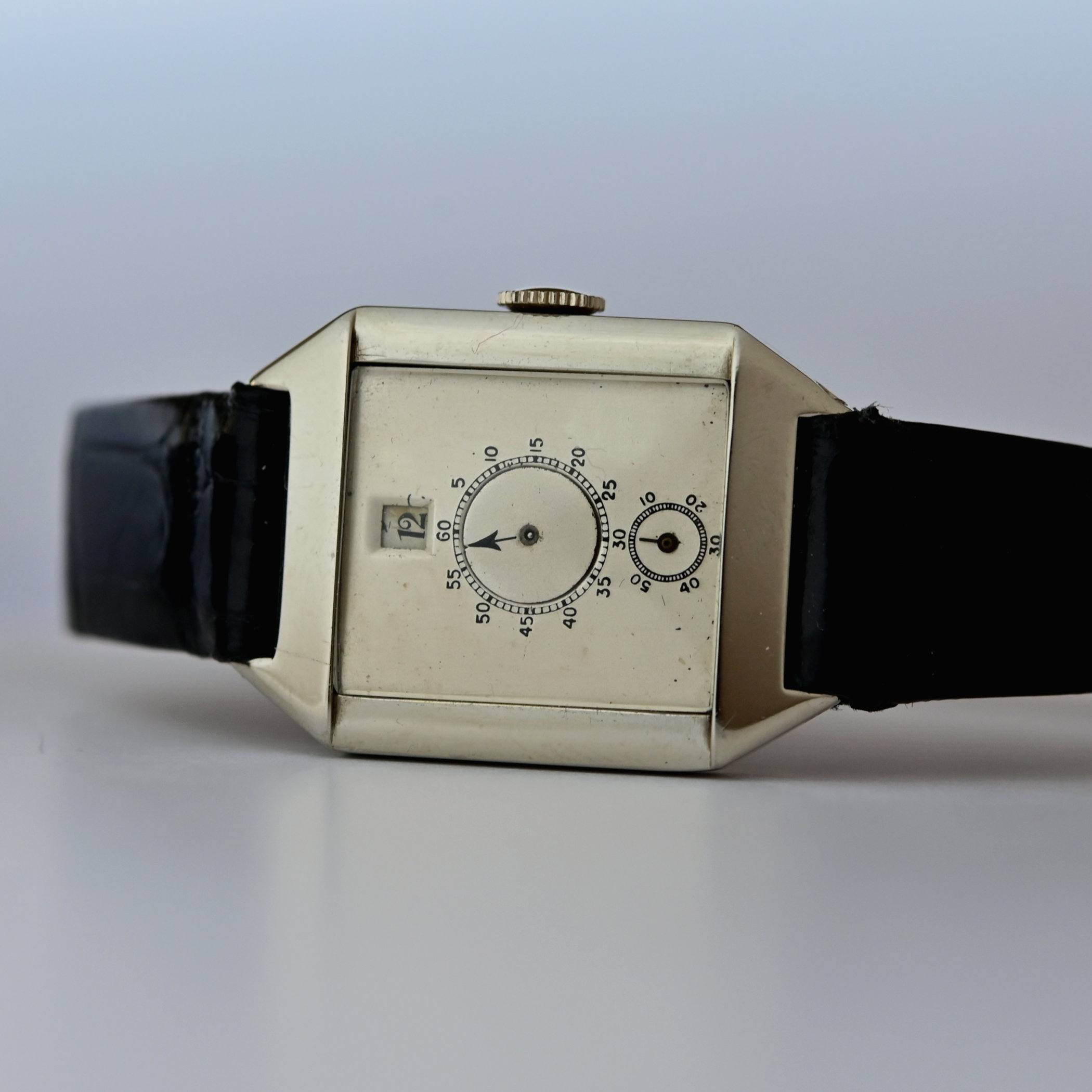
Born in 1919, the Manufacture des Montres Niton S.A. was founded by three former Vacheron Constantin employees. The brand became known for its watches and movements featuring jumping hours and supplied movements to some of the best-known names in this particular genre of watchmaking. After years of dormancy, Niton has been revived by entrepreneurs Yvan Ketterer and Leopoldo Celi. Born into a family of watchmakers and a WOSTEP graduate, Ketterer is the creative mind. Ketterer has extensive experience in product management, honed through roles at Girard-Perregaux (as Director of Creation and Product when Gino Macaluso was at the helm) and at Tissot, JeanRichard, and Valgine. Leo Celi oversees marketing, following a career that has taken him from LVMH to Girard-Perregaux (not at the same time as Ketterer, though) and to Dominique Renaud, along the way launching his own watch brand, Fugue, in 2017.
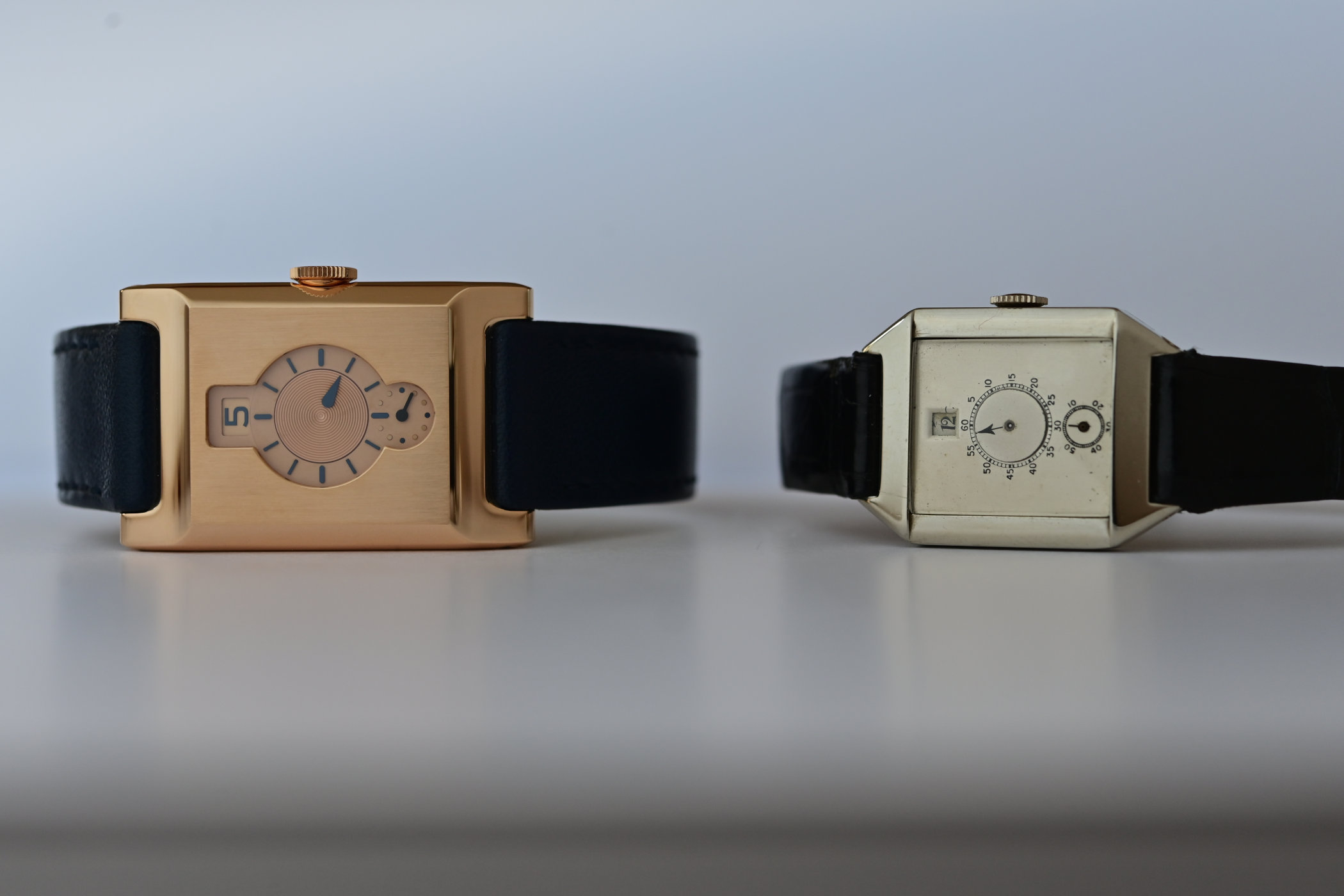
The Niton Prima
Far from being a servile reproduction of the brand’s past glories, the Niton Prima reimagines its heritage through a modern lens. The Art Deco and Bauhaus inspiration is evident. The brand mentions that “the watch draws from graphic design, industrial design, and mechanical structures across eras, where machines themselves become instruments of expression”. The Prima channels a sense of bygone elegance, refined through contemporary restraint.
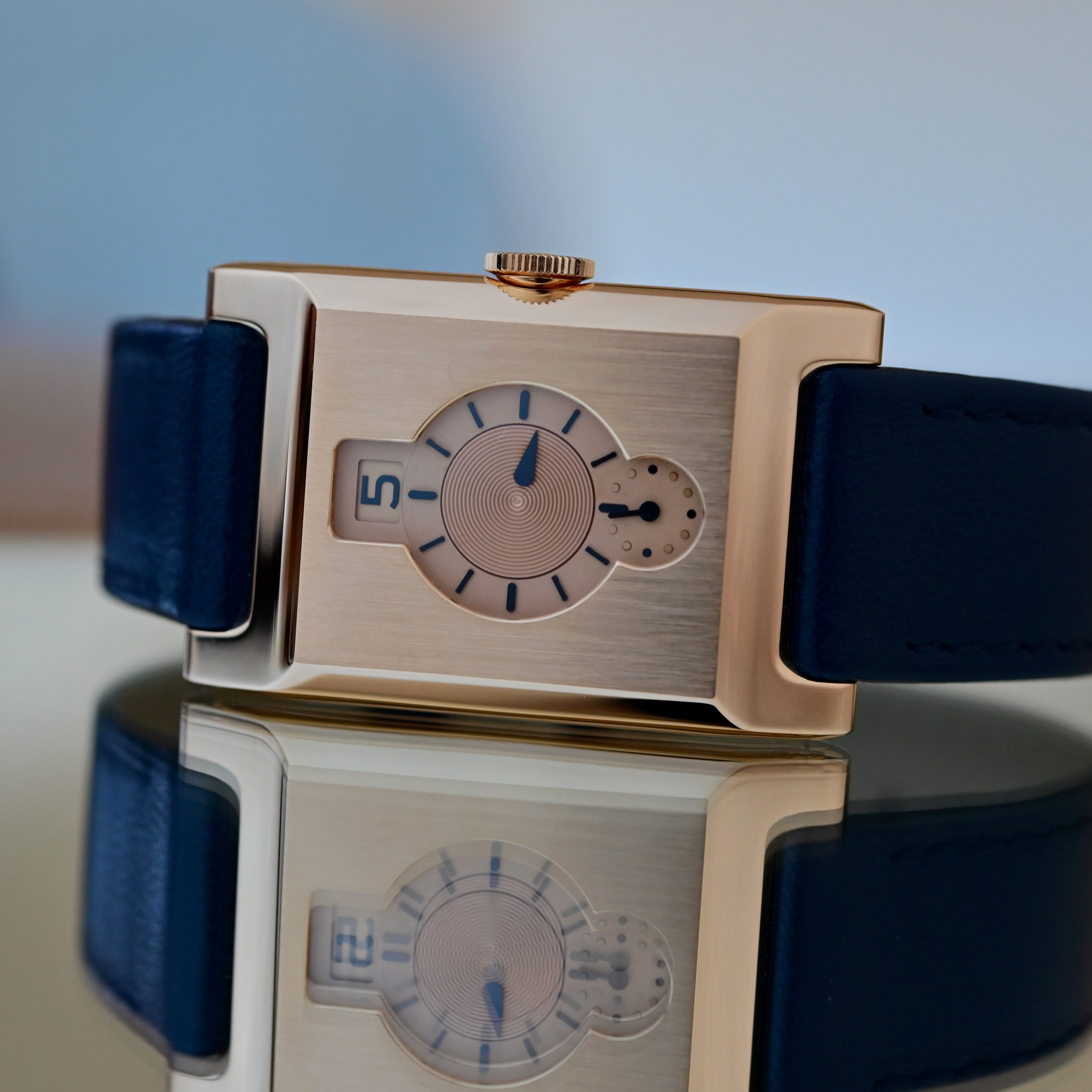
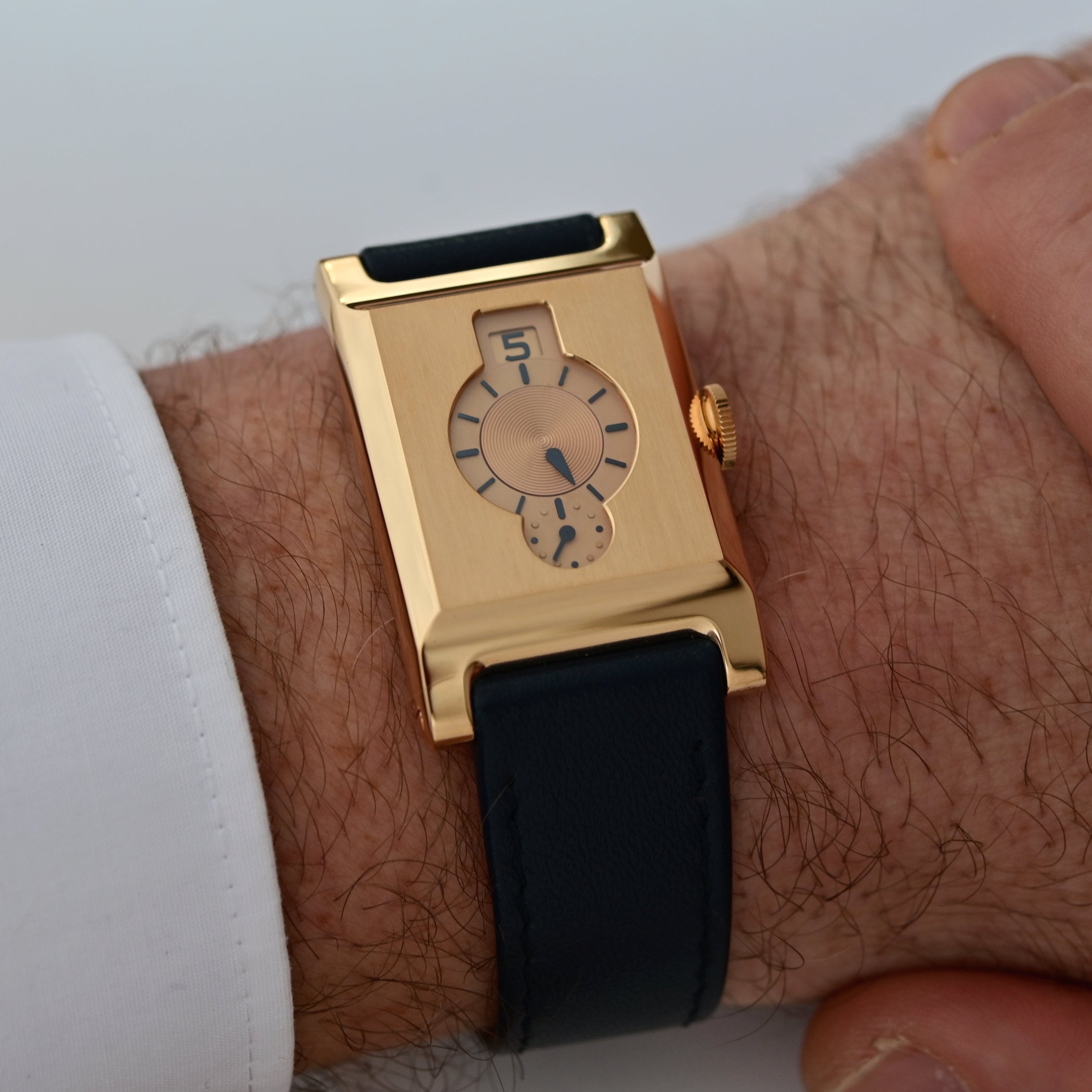
Crafted in platinum or rose gold, the Prima rectangular case measures 27mm x 35.50mm and is 7.9mm thick. The satin-brushed dial features three circular openings, offering a deconstructed view of the time indications. From top to bottom, they display the jumping hours, minutes on a rotating disc, and small seconds. Quietly confident, it features no logo, directing all attention to the purity of the design and its distinctive identity.
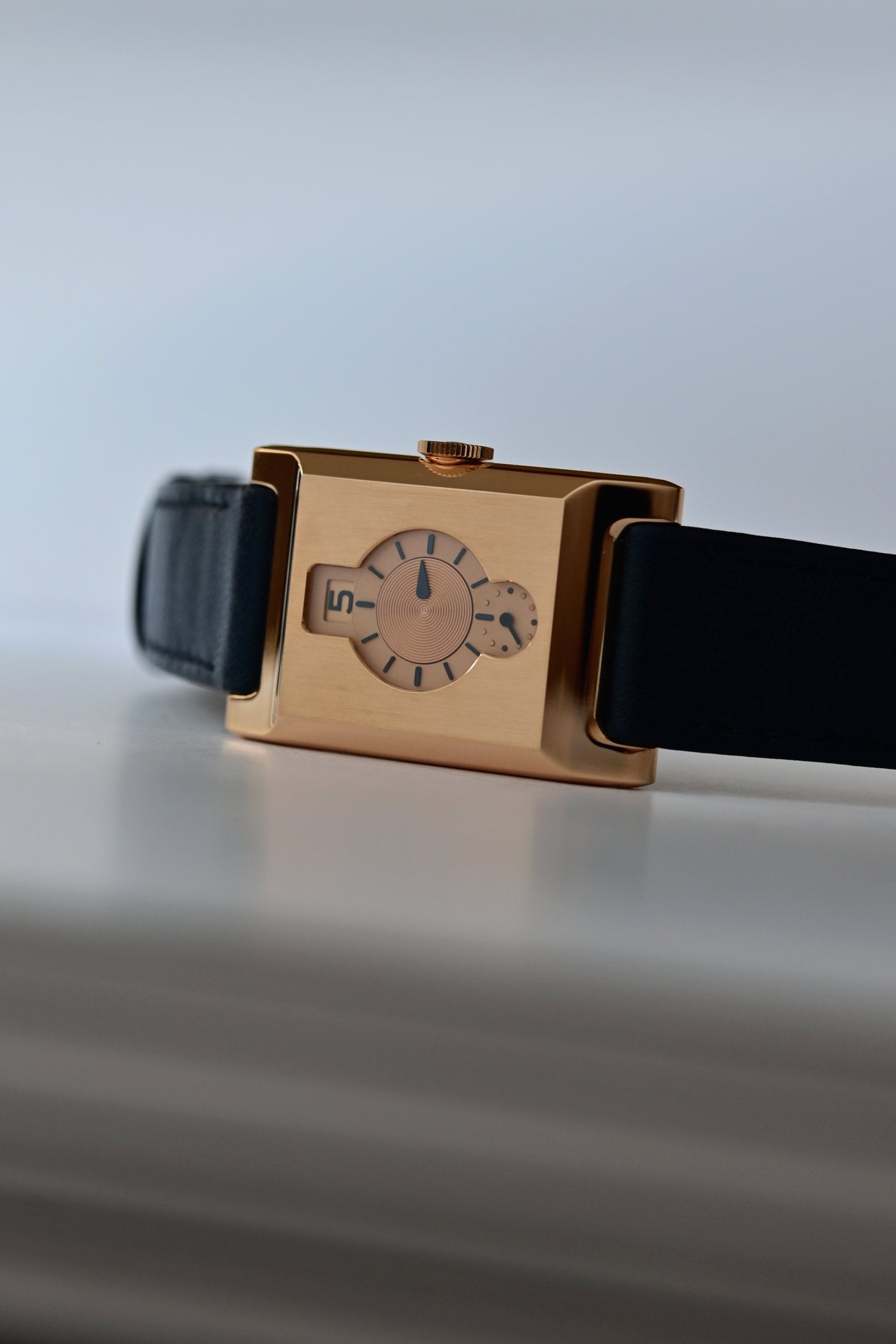
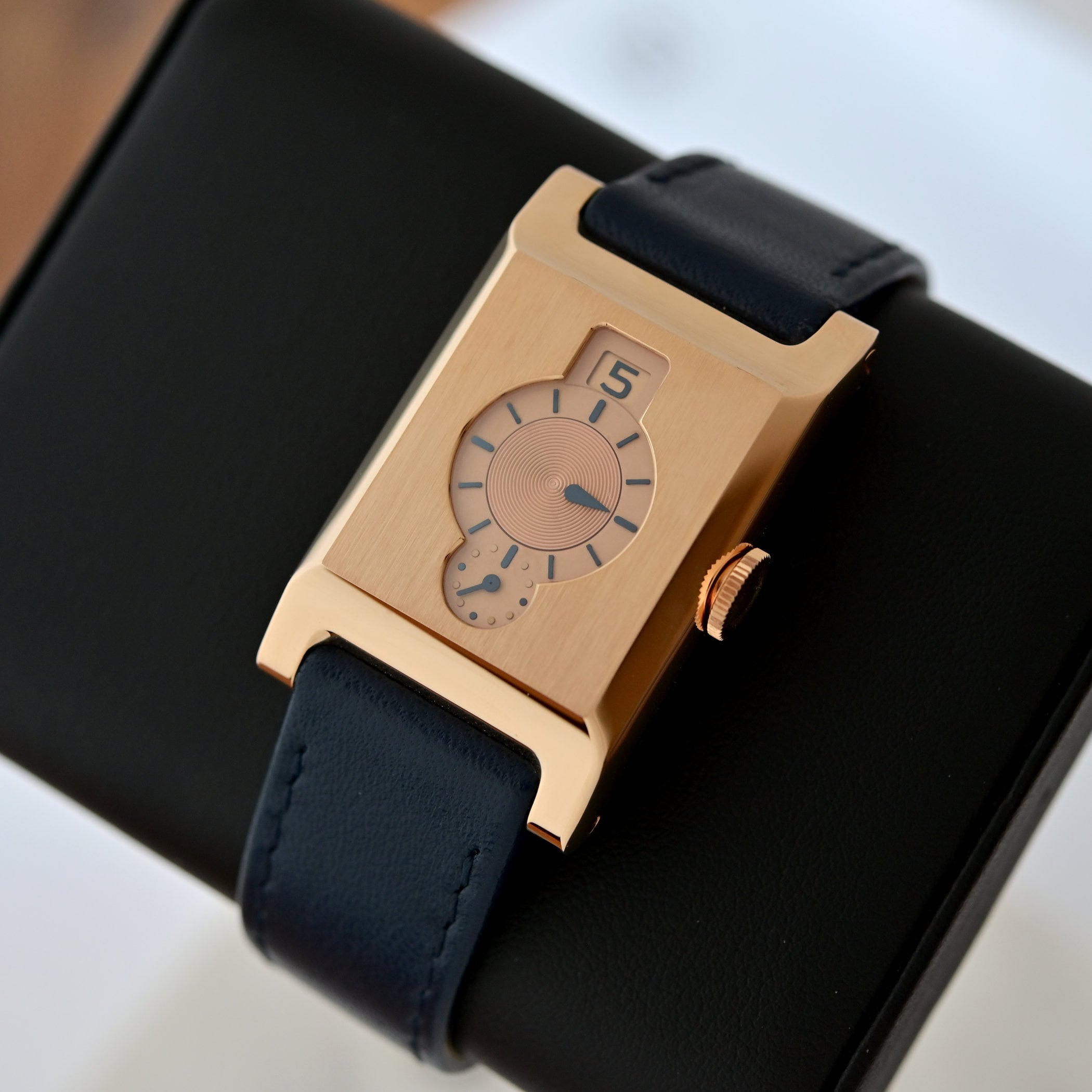
The jump of each hour triggers a subtle sound, alerting the wearer to the time without having to look at the dial. The snail cam driving the jumping-hour mechanism actuates two superimposed levers: one for the jumping-hour and another that lifts a hammer which strikes directly on the case, producing a very discreet “click” (do not expect anything loud here).
Inside is a beautifully crafted, manually wound, rectangular-shaped calibre. The NHS01 calibre has been designed by Niton and then developed with Le Temps Manufacture, a movement specialist known for the calibre in the Byrne Gyro Dial, among other things. It will be assembled in Geneva. Its decoration blends modern and Art Deco touches. It features a stripy guilloché pattern on the German silver barrel and train bridges, while the escapement and balance bridges are in black polished steel. Each movement is individually numbered with its limited-edition number x/19. The variable inertia balance wheel features a Breguet overcoil and ticks at 28,800vph. Despite its relatively small size, the movement can store 72 hours of power reserve when fully wound. With its long blade-like ratchet click, winding it delivers a pleasing tactile experience.
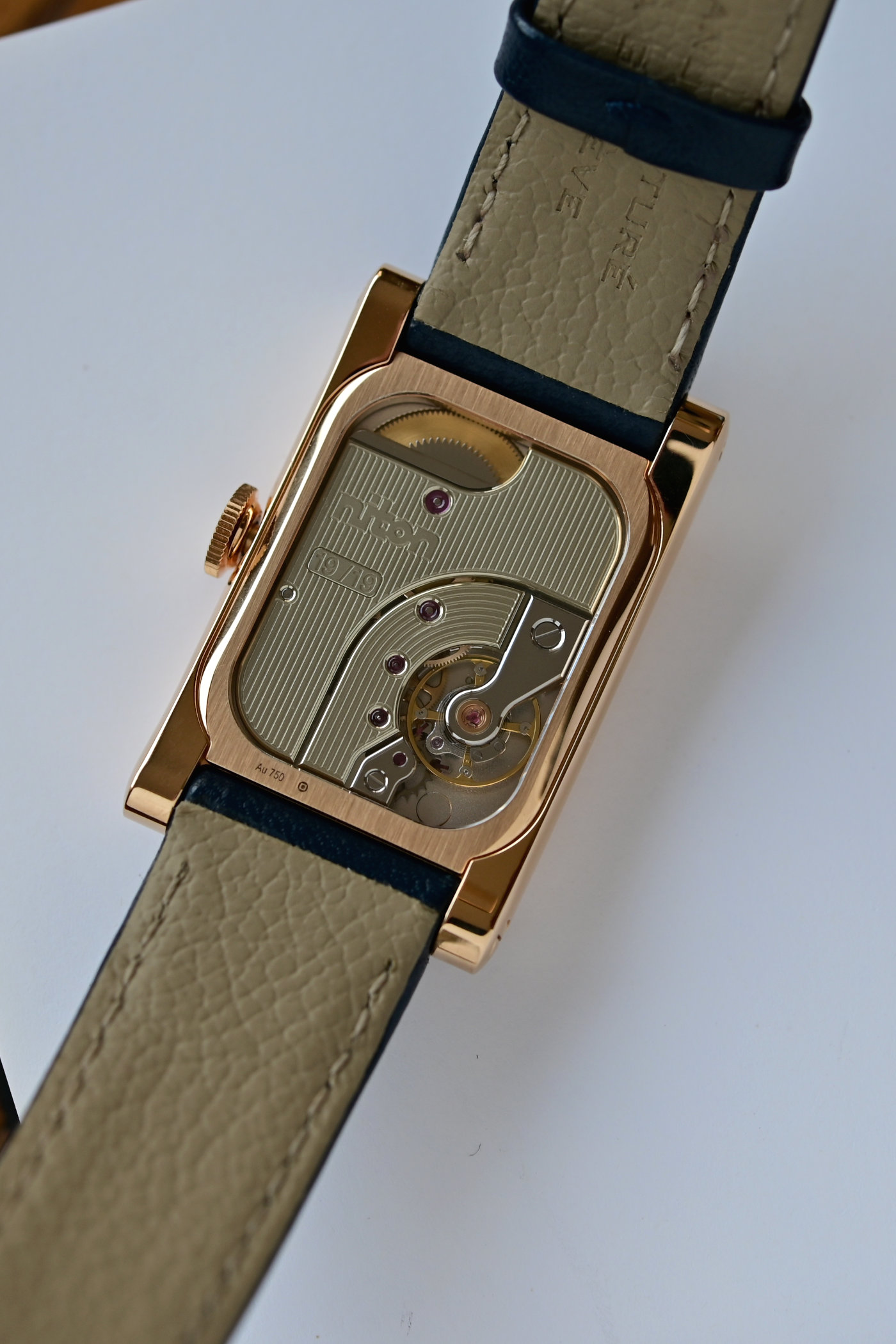
The Niton Prima complies with the Geneva Seal specifications and includes a chronometer certificate. Last but not least, when pulling out the crown, the seconds hand will keep running until it reaches “0”, thus allowing for precise time setting. From a technical perspective, instead of stopping the balance wheel like a stop-seconds mechanism, a lever blocks the seconds wheel when it reaches its zero position.
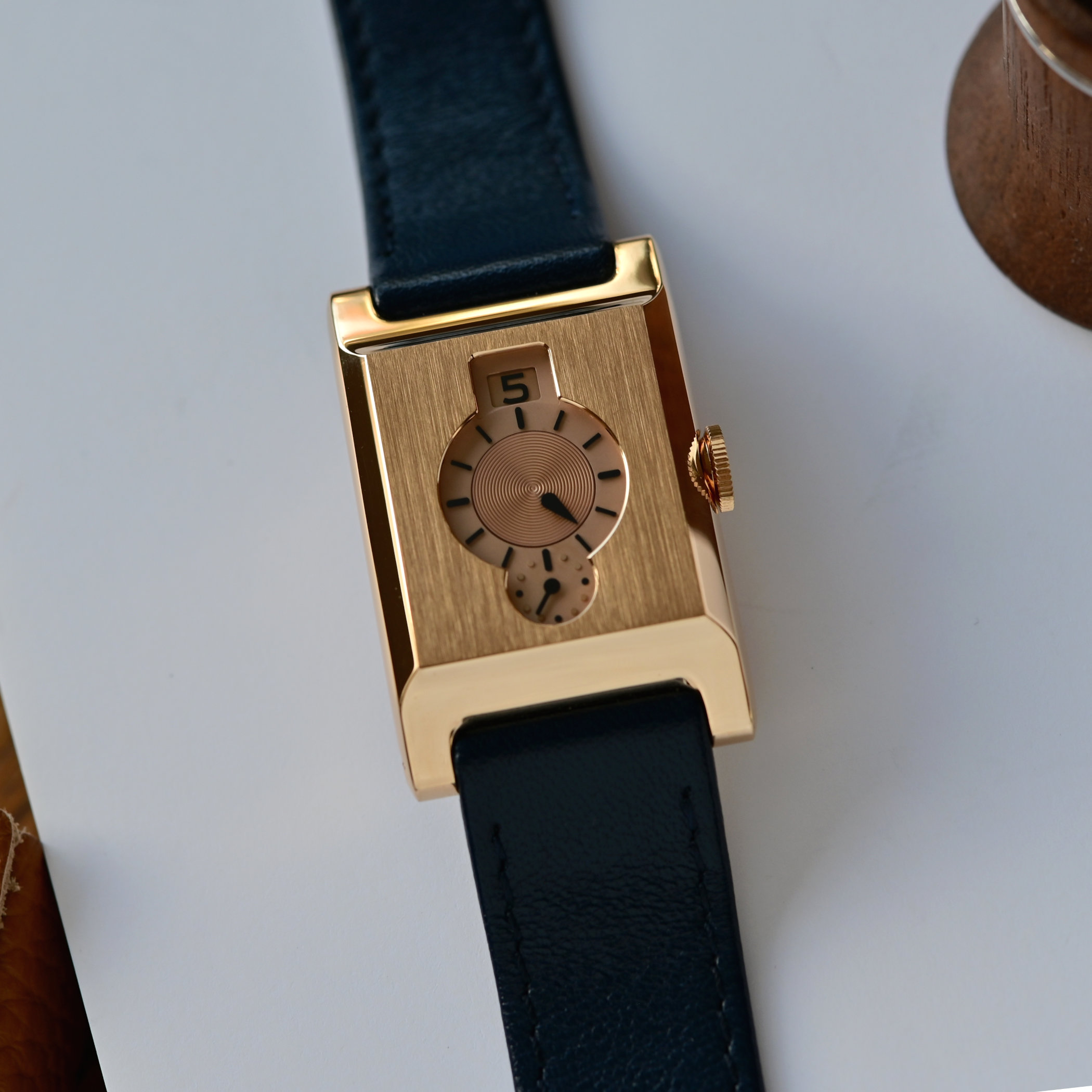
The Niton Prima comes in two limited editions of 19 pieces each – one in platinum and one in rose gold. It is worn on a calf leather strap with a pin buckle that matches the case material. Price is set at CHF 44,750 (excl. VAT) in rose gold and CHF 47,750 (excl. VAT) in platinum.
For more information, please visit Niton.swiss.

2 responses
This watch is watch of uggliness.
The watch is interesting, no doubt. But « We do not believe in stacking up crafts one onto the other for the sake of showing off – To us, that is just pornography. »
To me, this is just insulting to others brands.